Wondering how long your swimming pool pump should run each day? You’re not alone. Many pool owners struggle with finding that sweet spot between keeping the water clean and not wasting energy.
Imagine a hot summer day when you want to jump into a sparkling blue pool, only to find it murky and uninviting. Running your pump the right amount can help you avoid that disappointment while also saving on energy costs.
Table of Contents
Key Takeaways
- Optimal Run Time: Run your swimming pool pump for 8 to 12 hours daily during peak season to ensure effective water filtration and clarity.
- Pump Types Matter: Different pumps (single-speed, dual-speed, variable-speed) have varying efficiencies. Variable-speed pumps offer flexibility for energy savings.
- Adjust for Size and Conditions: Larger pools may require longer run times, and factors like water temperature and debris levels should also influence how long you run your pump.
- Seasonal Adjustments: In warmer months, stick to the 8 to 12 hours guideline, but consider reducing run time to 4 to 6 hours during cooler months or when the pool isn’t in use.
- Monitor Water Clarity: Regularly check the clarity of your pool water; hazy water indicates the need for longer pump operation or adjustments to your schedule.
- Efficiency Practices: Implement practices like scheduling pumps around usage times, using a variable-speed pump, and maintaining filters to optimize energy use and reduce costs.
Understanding Swimming Pool Pumps
Swimming pool pumps play a crucial role in maintaining clean and clear water. The right pump not only circulates the water but also filters out debris, helping keep your pool inviting.
Types of Pool Pumps
- Single-Speed Pumps
Single-speed pumps operate at one speed. They’re often less expensive but can be less efficient, especially if you run them longer than necessary. - Dual-Speed Pumps
Dual-speed pumps offer two settings: high and low. You can run them on low for regular circulation and switch to high for heavy cleaning tasks. - Variable-Speed Pumps
Variable-speed pumps allow you to adjust the speed. This flexibility can lead to energy savings, as you can find the most efficient running speed for your particular pool.
Importance of Pump Run Time
Pump run time directly affects water quality and energy consumption. Running your pump ensures proper filtration and chlorination, preventing algae and bacteria growth. As a guideline, the pump should run 8 to 12 hours daily in peak season. Adjust this based on pool size, usage, and local climate.
Regular observation of your pool’s water clarity can indicate if the pump runs long enough or excessively. If the water appears clear, you’re likely on the right track. If it looks cloudy, consider extending the run time.
Factors Influencing Pump Run Time
Determining how long your swimming pool pump should run depends on several key factors. Understanding these factors helps you optimize filtration, maintain cleanliness, and save on energy costs.
Recommended Products

✔ CARTRIDGE GAUGE INDICATOR – Green, yellow and red color shifts tell you, at a glance, when to change the filter.
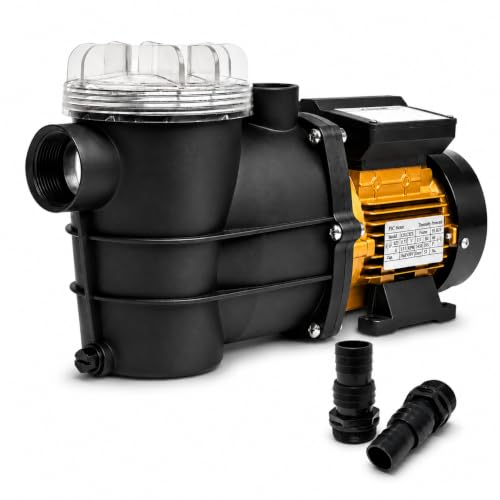
Wide Applications & Safety Assurance – Designed for above-ground pools, this 3/4HP single-speed pump is ideal for above ground swimming pools, hot tubs, spas, thermal springs, and irrigation systems. Powerful Motor 2.8 Amp 3/4 HP self-priming pump delivers up to 3,450 rotations per minute high flow water; Single phase motor runs on 115V/60Hz for optimal performance. It ensures crystal-clear water in your above ground

All-in-One Powerful Performance - With an impressive flow rate of 2200GPH, 0.3HP sand filter pump is ideal for pools up to 7,500 gallons, ensuring swift and thorough water filtration. A perfectly matched high-flow pool pump and rugged 10" sand filter tank ensure optimal water turnover, cleaning every gallon of your pool efficiently. *Filter Media Included (Bonus)
Pool Size
Pool size significantly influences the required run time. Larger pools need more time for effective circulation. For example, a 15,000-gallon pool might require 8 to 10 hours daily, while a 30,000-gallon pool often needs 10 to 12 hours. Factors such as depth and shape also matter. To calculate the run time accurately, consider how many gallons your pool holds and the pump’s flow rate.
Water Temperature
Water temperature affects how many hours your pump should operate. Warmer water promotes algae growth, necessitating longer run times to maintain cleanliness. In summer months, you might run the pump for 10 to 12 hours. In cooler months, especially if the pool’s not in use, reducing run time to 4 to 6 hours may suffice. Always monitor the water temperature and adjust the schedule accordingly.
Debris and Filtration Needs
Debris levels dictate pump run times, too. If your pool is in a windy area or surrounded by trees, expect to collect more leaves and debris, requiring additional filtration time. Running your pump for 10 to 14 hours daily can be beneficial after heavy storms or when debris accumulates. Regularly check the skimmer and pump basket to assess the debris level and adjust the runtime as needed.
Recommended Pump Run Times
Determining the appropriate run time for your swimming pool pump is essential to maintain clean and clear water. Here are guidelines to consider.
Recommended Products

Heavy Duty 40 AMP Pool Timer Switch: 1HP, 120 VAC; 2HP, 240VAC; Control high-power devices like pool filter pumps, water heaters, spas, and more with this 40A resistive timer switch; Compatible with 120 to 277 VAC; Ideal for use as a wifi pool timer, pool pump timer, or outdoor pool timer; ETL Listed, conforming to UL STD.60730-1

[Versatile Timer Function] This WiFi pool pump timer can turn your devices on/off automatically at scheduled times with options of programmable timer, random, countdown, and astronomical modes; you can set up to 15 ON/OFF settings to avoid running your devices all night in case of forgetting to turn off, saving energy and reducing costs

VERSATILE & CUSTOMIZABLE: Easily set up to 8 on/off programs for the timer's two grounded outlets. Outlets are controlled simultaneously, and settings can be as short as one minute
General Guidelines
Run your pool pump for 8 to 12 hours daily during the peak season. This timeframe ensures adequate water circulation and filtration. For pools with heavy usage or high debris, lean towards the higher end of this range. Conversely, if your pool is less frequently used, you may reduce run time to 6 to 8 hours.
Monitor water clarity; if the water appears hazy, increase the pump’s running time. Single-speed pumps typically require longer run times due to their reduced efficiency compared to variable-speed pumps, which can effectively clean the pool in fewer hours.
Seasonal Adjustments
Adjust your pump’s schedule based on the seasons. In warmer months, when usage peaks, maintain the 8 to 12 hours guideline. As temperatures drop or usage decreases in autumn and winter, you can cut back to 4 to 6 hours.
In regions with colder climates, consider shutting down the pump during winter. If your pool remains open, run the pump for 2 to 4 hours daily to prevent freezing and maintain water quality. Always evaluate local factors, like rainfall or debris accumulation, to further refine your pump run time.
Tips for Optimizing Pump Efficiency
Optimizing pump efficiency enhances water quality and reduces energy costs. Consider the following tips to ensure your swimming pool pump runs effectively.
Recommended Products
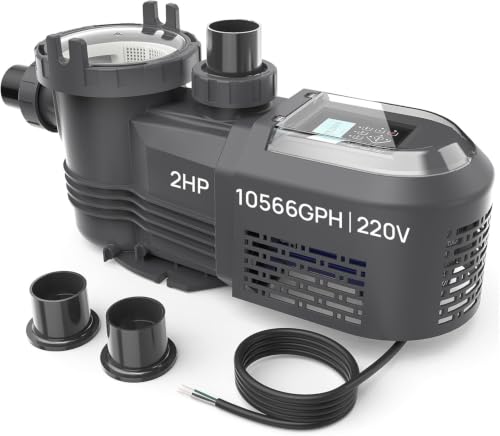
Energy-Saving Design: Utilizing variable speed technology, our pump reduces energy consumption by up to 80% compared to traditional pumps, providing significant long-term savings while maintaining optimal pool performance.
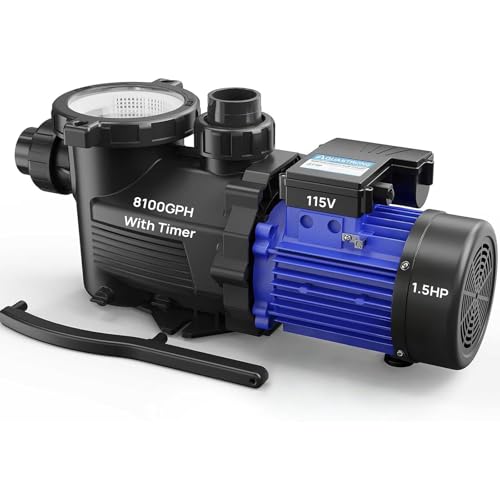
Powerful 1.5HP Pool Pump with Timer (115V): This high-performance 1.5HP pool pump operates on 115V, delivering a robust flow rate of 8100 GPH. It’s ideal for both pool pumps above ground and inground pool pump systems, providing efficient and reliable water circulation for various pool sizes.

High-Performance 2.5HP Pump: This variable-speed pool pump is design for both above-ground and in-ground pools. Featuring a permanent magnetic motor and precision impeller, it achieves a max flow rate of 10,567 GPH, all while saving energy.
Schedule Considerations
Set your pump schedule to match pool usage. For instance, if your pool sees heavy use on weekends, run the pump longer before and after peak usage times. Adjust run times based on the season; in summer, aim for 10 to 12 hours daily, while in cooler months, 6 to 8 hours suffices. Monitor local weather patterns and modify the schedule according to rainfall or debris accumulation.
Energy-Saving Practices
Implement energy-saving practices to decrease operating costs. Choose a variable-speed pump if possible; it allows you to adjust speeds according to your needs. Running the pump during off-peak hours, usually late at night or early morning, can further reduce energy bills. Regularly clean or replace filters to maintain pump efficiency and reduce strain. Lastly, consider using a timer for consistent scheduling, ensuring the pump runs only when necessary.
Conclusion
Finding the right balance for your swimming pool pump’s run time is key to keeping your water clean and your energy bills in check. By understanding your pool’s specific needs and making adjustments based on usage and environmental factors, you can ensure optimal performance.
Remember to regularly check your water clarity and be proactive in adjusting your pump schedule as needed. With a little attention and care you can enjoy a sparkling pool while also being mindful of your energy consumption. Happy swimming!
Frequently Asked Questions
How long should I run my pool pump?
To maintain water cleanliness and energy efficiency, it’s recommended to run your pool pump for 8 to 12 hours daily during peak season. This can vary based on pool size, usage, and climate conditions.
What are the different types of pool pumps?
There are three main types of pool pumps: single-speed, dual-speed, and variable-speed pumps. Each has different levels of efficiency and costs, with variable-speed pumps generally being the most energy-efficient option.
Why is pump run time important?
Pump run time is crucial for ensuring proper water circulation and filtration. It helps maintain water quality and manage energy consumption, which can result in cleaner water and lower utility bills.
How do I optimize my pump’s efficiency?
To optimize your pump’s efficiency, schedule its operation during off-peak hours, use a variable-speed pump, and regularly maintain the filter. Adjust the run time based on pool usage and debris levels to maximize filtration.
What factors influence the running time of my pool pump?
Factors that influence pump run time include pool size, water temperature, debris levels, and seasonal usage patterns. Tailoring the pump’s schedule according to these factors ensures effective filtration and energy savings.