Wondering how long your pool pump should run each day? You’re not alone. Many pool owners grapple with this question, trying to strike the right balance between keeping their water clean and not wasting energy.
Key Takeaways
- Optimal Runtime Duration: Generally, pool pumps should run for 8 to 12 hours daily during peak usage seasons, adjusted based on pool size and environmental factors.
- Pump System Components: Understand the key components of a pool pump system: pump, filter, pump strainer, and motor, to ensure proper maintenance and performance.
- Factors Influencing Runtime: Runtime is influenced by pool size, cleaning needs, environmental conditions, and seasonal changes—larger pools or high debris areas may require longer operation.
- Adjusting for Conditions: Increase runtime during hot weather, after rainstorms, or following chemical treatments to maintain clear, safe water.
- Signs of Insufficient Runtime: Look for cloudy water or algae growth as indicators that your pump may need to run longer to ensure proper filtration and circulation.
Understanding Pool Pump Functionality
Pool pumps play a crucial role in maintaining clean, safe water. Knowing how they work helps you optimize their operation.
Importance of Pool Pump Operation
Pool pump operation keeps water circulating, filtering out debris and contaminants. Water that circulates regularly prevents algae growth and maintains balanced chemical levels. Most experts recommend running your pump for 8 to 12 hours a day during peak usage seasons. However, this duration can vary based on factors like pool size and environmental conditions. For example, large pools in sunny areas may require longer pump operation times.
Components of a Pool Pump System
A pool pump system consists of several key components that work together:
- Pump: The main device that moves water through the system.
- Filter: Removes dirt and debris from the water, keeping it clean.
- Pump Strainer: Catches larger debris before it reaches the pump, protecting its components.
- Motor: Powers the pump, allowing it to function efficiently.
Understanding each component helps you troubleshoot issues and maintain the system. Regular maintenance, like cleaning the strainer and checking the filter, ensures optimal performance.
Factors Influencing Pump Runtime
Several factors play a role in determining how long your pool pump should run each day. Understanding these elements helps maintain clear water while optimizing energy use.
Recommended Products

Designed for 208–277Vac (240V) systems, Compatible with intermatic T104 timer handles 40A resistive loads and features DPST dual-circuit control. It supports 5 HP (240V)/2 HP (120V) power, making it ideal for heavy-duty applications like pool timer replacement and industrial equipment.

3/4 HP Flow for Above-Ground Pools - Designed for compatible above-ground pool filtration setups, this CHOOSMO pool pump delivers up to 3120 GPH / 52 GPM with a 41 ft max head to support steady water circulation and daily filtration.
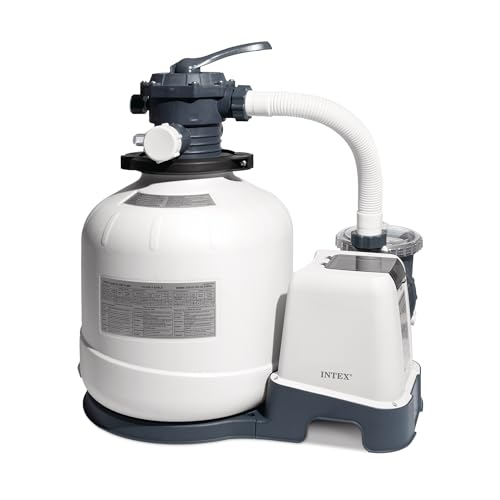
✔ EXCELLENT FILTRATION – SX3000 provides excellent water filtration with the 6-function valve that allows you to filter, backwash, rinse, re-circulate, drain and close the system.
Pool Size and Volume
Pump runtime correlates directly with your pool’s size and volume. Larger pools require longer pumping times to ensure proper circulation and filtration. For example, a standard residential pool (around 15,000 gallons) may need 8 to 12 hours of runtime, whereas a smaller pool (around 5,000 gallons) might only require 4 to 6 hours. Calculate the volume of your pool and adjust the pump’s runtime according to its capacity for best results.
Cleaning and Maintenance Needs
Cleaning and maintenance demands significantly impact how long you run your pump. If your pool encounters frequent debris, or if you’ve just added chemicals, you might need to extend the pump’s runtime. For instance, after a rainstorm, increasing the pump operation to 24 hours may help maintain clear, balanced water. Regular maintenance explains the necessity for run time adjustments to ensure optimal cleanliness.
Environmental Conditions
Environmental factors also affect your pool pump’s runtime. Areas with high temperatures or heavy rainfall often require longer pump operation to combat algae growth and dirty water. For example, pools located in sunny, hot regions may need 10 to 12 hours daily, while shaded or cooler pools might operate adequately with 6 to 8 hours. Assess your local climate and adjust your pumping schedule accordingly to maintain water quality.
General Guidelines for Pool Pump Runtime
Pool pump runtime varies based on multiple factors, ensuring clean and safe water. Understanding these guidelines helps optimize pump operation.
Recommended Products

Cordless Convenience: Embrace the freedom from cumbersome cords with our 20V lithium-ion cordless submersible water pump. Boasting a flow rate of 1003 gallons per hour, it is exceptionally efficient for a variety of water transfer tasks. Equipped with a robust 4000mAh battery, this battery powered pump ensures up to 1 hour of continuous operation. For longer jobs, extra batteries are purchasable on Amazon, guaranteeing you're always prepared
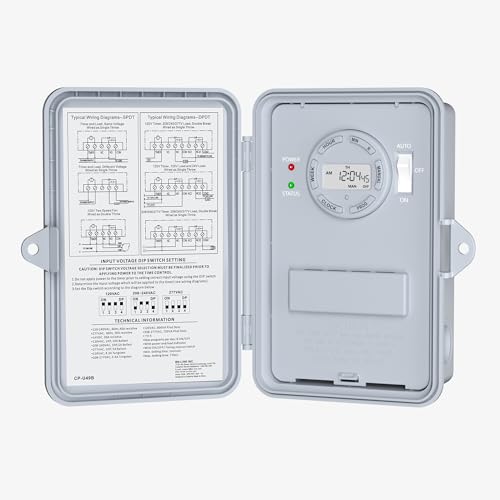
【Heavy Duty 40 AMP Pool Timer】120 to 277 VAC, 40A Resistive, 1HP to 2HP capacity allows the outdoor timer box to be used to control high-power electric devices.

【Stable Performance Pool Pump】This pool pump is ideal for household use, featuring low noise and low energy consumption. This not only reduces costs but also perfectly caters to the flow requirements of residential pools.
Recommended Daily Operating Hours
For most residential pools, running your pump for 8 to 12 hours daily is sufficient. This duration allows for effective water circulation and filtration. If your pool is larger than average, increase the runtime to up to 14 hours. If you frequently host gatherings or are located in areas with heavy debris, consider running the pump longer to maintain water quality.
| Pool Size (Gallons) | Recommended Runtime (Hours) |
|---|---|
| Up to 10,000 | 8 – 10 |
| 10,000 – 20,000 | 10 – 12 |
| 20,000 – 30,000+ | 12 – 14 |
Adjustments for Seasonal Changes
As temperatures fluctuate, adjust your pump’s runtime accordingly. In warmer months, when algae growth accelerates, run the pump closer to 10 to 12 hours daily. In cooler months, you can reduce this to 6 to 8 hours. After heavy rains or storms, extend pump operation to ensure any debris or contaminants are adequately filtered out. Additionally, during periods of chemical treatment, such as chlorine addition, increase runtime to aid chemical dispersion and effectiveness.
Signs Your Pool Pump Needs More Runtime
You may need to run your pool pump longer if you notice certain signs. Increased runtime can help maintain water quality and overall pool health.
Recommended Products

【Go Cord-Free Anywhere】Need to move water where outlets are inconvenient or extension cords become a hassle? This cordless water transfer pump gives homeowners a more flexible way to handle quick drainage and water transfer in basements, garages, yards, pool areas, boats, and around the home. The battery-powered design is easier to carry, place, and start, making fast-response water removal feel more practical in everyday situations.

Genuine O.E.M. Product: Authentic Pentair replacement part ensuring quality and reliability

🔋 4000mAh Long-Lasting Battery:Built-in 4000mAh rechargeable battery delivers up to 40 minutes of continuous use. USB charging lets you power up anywhere — wall, car, power bank. No outlet hunting.
Water Clarity Issues
You might see cloudy or murky water. This often indicates insufficient circulation and filtration. If your water isn’t clear after normal pump operation times, increase runtime. Running the pump for an additional 2-4 hours daily can help achieve clearer water.
Algae Growth and Buildup
You could observe green or brown patches in your pool. Algae growth signals that your water isn’t being properly filtered. If you notice algae, consider running your pump longer, especially during hot months. Aim for 10-12 hours of daily runtime to keep algae at bay. Additionally, brushing the pool walls and floor can enhance filtration efficiency during extended runtime.
Conclusion
Finding the right balance for your pool pump’s runtime is essential for keeping your water clean and clear. By considering factors like pool size and environmental conditions you can tailor the pump’s operation to suit your needs.
Remember to adjust the runtime based on seasonal changes and any specific maintenance tasks. If you notice water clarity issues or signs of algae it’s a good idea to run the pump longer.
With a little attention to detail you can enjoy a sparkling pool while also being mindful of energy efficiency. Happy swimming!
Frequently Asked Questions
How long should I run my pool pump daily?
You should typically run your pool pump for 8 to 12 hours a day. This duration helps maintain water cleanliness and proper chemical balance, but adjustments may be needed based on pool size, environmental factors, and seasonal changes.
What factors affect pool pump runtime?
Factors influencing pool pump runtime include pool size, volume, cleaning needs, environmental conditions (like temperature and rainfall), and maintenance requirements. Larger pools usually require longer runtimes to ensure proper water circulation.
When should I increase my pool pump runtime?
Increase your pool pump runtime during warmer months, particularly to 10-12 hours, to combat algae growth. Additionally, extend runtime after heavy rainfall or chemical treatments to ensure effective filtration and chemical dispersion.
How can I tell if I need to run my pump longer?
Signs that indicate you should run your pump longer include water clarity issues, algae growth, or a cloudy appearance. If you notice these problems, increasing the runtime will help address these concerns effectively.
Is it okay to run my pool pump overnight?
Yes, running your pool pump overnight can be beneficial. This schedule may help in balancing energy costs and can also ensure optimal circulation and filtration, thereby maintaining water quality during the times when the pool is not in use.