Ever wondered if your pool’s water is safe to swim in? You’re not alone. Many pool owners struggle with finding the right balance of chlorine. Too little can lead to germs and algae, but too much can cause skin irritation and other issues.
In this article, we’ll help you understand how to determine the right chlorine levels for your pool. You’ll learn the signs of excessive chlorine and what steps to take if your pool’s chemical balance is off. By the end, you’ll feel more confident in maintaining a safe and enjoyable swimming environment for you and your family.
Table of Contents
- 1 Key Takeaways
- 2 Overview of Chlorine in Pools
- 3 Importance of Proper Chlorine Levels
- 4 Signs of Excess Chlorine
- 5 Recommended Chlorine Levels
- 6 Testing for Chlorine Levels
- 7 Conclusion
- 8 Frequently Asked Questions
- 8.1 What is the ideal chlorine level for pools?
- 8.2 Why is it important to monitor chlorine levels?
- 8.3 What can affect chlorine levels in a pool?
- 8.4 What are the signs of low chlorine levels?
- 8.5 What should I do if chlorine levels are too high?
- 8.6 How can I test chlorine levels in my pool?
- 8.7 What are the health risks associated with excessive chlorine?
Key Takeaways
- Optimal Chlorine Levels: The ideal chlorine concentration for residential pools is between 1 to 3 parts per million (ppm) to effectively disinfect water and ensure swimmer safety.
- Signs of Excess Chlorine: Watch for symptoms such as skin irritation, eye discomfort, respiratory issues, cloudy water, and a strong chlorine smell, indicating high chlorine levels.
- Regular Testing: It’s crucial to test your pool’s chlorine levels at least weekly using test strips, liquid test kits, or digital testers to maintain water quality.
- Impact of External Factors: Sunlight, water temperature, pool usage, and organic debris all influence chlorine levels and may require adjustments to keep water safe and clear.
- Responding to Imbalances: If chlorine levels fall below 1 ppm or exceed 3 ppm, take action by adding chlorine or diluting the pool water, respectively, to maintain a balanced chemical environment.
Overview of Chlorine in Pools
Chlorine serves as a vital component in pool maintenance. It keeps the water clean and free from harmful microorganisms. Maintaining the right chlorine level prevents health risks such as skin irritation and respiratory issues.
The ideal chlorine level for a residential pool ranges from 1 to 3 parts per million (ppm). Levels below this threshold may allow bacteria and algae to thrive. Conversely, exceeding 3 ppm can cause discomfort for swimmers and damage to pool equipment.
You can determine chlorine levels using chlorine test strips or liquid testing kits. Testing water at least weekly ensures you maintain proper levels. If you notice a strong chlorine smell, that often indicates excess chloramines, which result from chlorine reacting with impurities.
When chlorine levels rise above 3 ppm, you might experience symptoms like skin irritation, red eyes, or a burning sensation. If this occurs, consider diluting the pool water with fresh water or allowing it to sit uncovered for a period to help reduce chlorine concentration.
Regularly monitoring and adjusting chlorine levels not only helps maintain a safe swimming environment but also extends the life of your pool equipment. Remember to balance chlorine with other chemicals, such as pH and alkalinity, to keep your pool water comfortable and clear.
Importance of Proper Chlorine Levels
Maintaining proper chlorine levels is vital for a safe and enjoyable swimming experience. Correct chlorine levels prevent harmful bacteria and ensure clean water.
Health Benefits
Proper chlorine levels protect swimmers from waterborne illnesses. Chlorine effectively disinfects the pool by killing bacteria and viruses present in the water. For instance, pools with chlorine levels between 1 to 3 parts per million (ppm) significantly reduce the risk of illness, keeping your family and friends safe. On the other hand, excessive chlorine can lead to skin irritation, respiratory issues, and discomfort during swimming.
Maintaining Water Quality
Maintaining water quality hinges on balanced chlorine levels. Consistent monitoring is key to preventing algae growth and cloudy water. Pool owners should test chlorine levels at least once a week. If readings exceed 3 ppm, take action to lower them. Regularly shocking the pool can eliminate buildup and restore chlorine balance. Additionally, balancing pH and alkalinity enhances chlorine effectiveness.
By keeping chlorine levels in check, you ensure a refreshing and safe swimming environment for everyone.
Signs of Excess Chlorine
Excess chlorine in your pool can lead to noticeable signs that indicate the water isn’t safe for swimming. Recognizing these signs early allows for timely intervention.
Recommended Products

[Professional Pool Water Tester] GIDIGI Digital Chlorine Tester features a clear backlit display and accurately measures chlorine levels within an ideal range of 1-3 mg/L. Say goodbye to the colorimetric errors of traditional test strips. this electronic pool water tester eliminates guesswork and is ideal for maintaining a safe swimming environment at home. Easily monitor chlorine levels in tap water or pool water to effectively prevent skin irritation caused by improper chlorination. Whether for residential pools, hot tubs, or drinking water chlorine testing, the GIDIGI Water Tester provides accurate data.
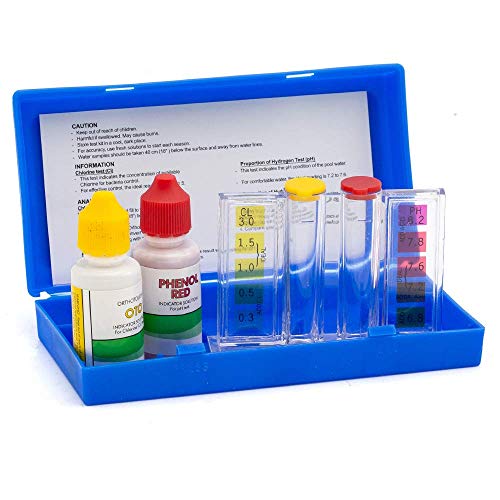
2 Way Pool Water Test Kit For Test For OTO, CL, and PH Level
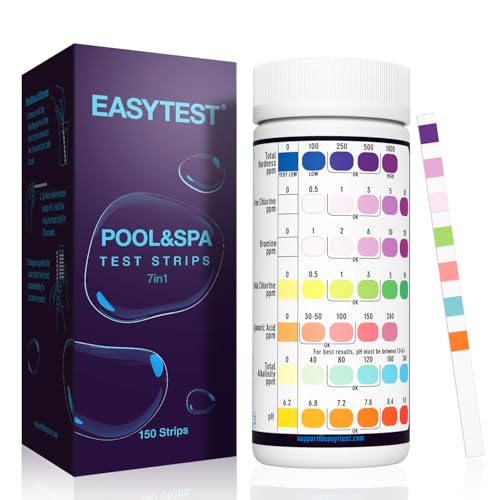
AFFORDABLE 150 STRIPS: This water chemical testing kit contains 150 test strips. Enough balanced for your swimming pool, hot tub, spa and other water testing. At least testing twice a week is recommended to keep your pool sparkling clean and safe.
Physical Symptoms
Physical symptoms often serve as the first red flag. If you notice any of the following, it’s essential to check your chlorine levels:
- Skin Irritation: Redness or itching on the skin after swimming may point to high chlorine levels.
- Eye Irritation: Stinging, redness, or discomfort in your eyes can signal chlorine exposure.
- Respiratory Issues: Coughing or difficulty breathing, particularly in sensitive individuals, can arise from elevated chlorine concentrations.
- Dry Skin or Hair: Excess chlorine can strip moisture from skin and hair, leaving them dry and brittle.
Water Clarity and Appearance
Water clarity can also alert you to excess chlorine. Keep an eye out for these indicators:
- Cloudy Water: Water that appears cloudy often indicates high chlorine levels or improper chemical balance.
- Strong Chlorine Smell: A pungent chlorine odor suggests that free chlorine is high, often due to poor sanitation practices.
- Foamy Surface: Excessive foam on the water surface can point to chemical imbalances, including too much chlorine.
Regular monitoring of chlorine levels and prompt attention to these signs ensures a safe swimming environment.
Recommended Chlorine Levels
Maintaining the right chlorine level is crucial for your pool’s safety and clarity. Ideal chlorine levels help prevent health issues and keep your water looking pristine.
Recommended Products
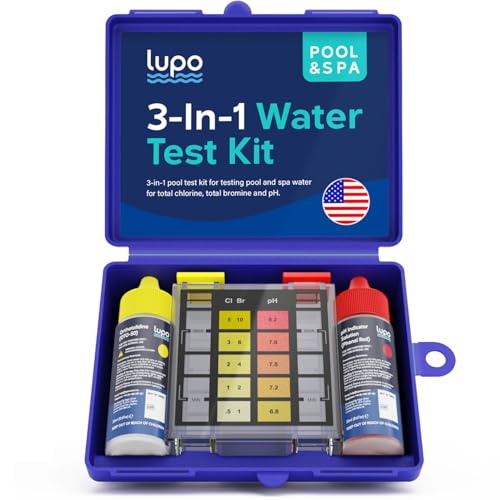
3-IN-1 POOL TESTING KIT: An easy-to-use, accurate pool test kit for testing three essential water quality parameters in residential pools and spas: Total Chlorine, Total Bromine, and pH. Includes enough reagents for 100 tests, helping keep your water safe, clean, balanced, and ready to use anytime.

5-WAY WATER TESTING: Accurately tests chlorine, bromine, pH, acid demand, and total alkalinity to help maintain clean, balanced pool and spa water

3-Way Test Kit: Clorox Pool&Spa Swimming Pool 3-Way Water Test Kit tests like an expert. It accurately measures bromine, chlorine, and pH levels, providing reliable poolside results.
Optimal Range for Pools
The optimal chlorine level for most residential pools is between 1 to 3 parts per million (ppm). This range effectively kills bacteria and prevents algae growth. Regular testing is essential. Use test strips or a liquid test kit weekly to check your chlorine levels. If readings fall below 1 ppm, add chlorine to prevent contamination. If levels exceed 3 ppm, consider diluting the water or using a chlorine reducer.
Factors Affecting Chlorine Levels
Several factors influence chlorine levels in your pool:
- Sunlight Exposure: UV rays from the sun can break down chlorine. Pools in sunny areas may need higher chlorine levels.
- Water Temperature: Warmer water can increase chlorine consumption as bacteria and algae thrive.
- Pool Usage: More swimmers mean more contaminants, which requires additional chlorine for effective sanitation.
- Organic Debris: Leaves, dirt, and other debris raise the demand for chlorine as they provide food for bacteria.
- pH Levels: Chlorine effectiveness decreases when pH is not balanced. Maintain a pH level between 7.2 and 7.8 for optimal chlorine performance.
By understanding these factors and monitoring your pool’s chlorine levels, you can maintain a safe and enjoyable swimming environment.
Testing for Chlorine Levels
Testing your pool’s chlorine levels ensures a safe and enjoyable swimming environment. Regular checks help prevent excessive chlorine, safeguarding swimmers’ health.
Recommended Products

3-in-1 Essential Water Testing - This test kit checks 3 core pool indicators: Free Chlorine, pH and Total Alkalinity. Color-changing test strips deliver clear readings within 30 seconds. Beginner-friendly operation requires no extra tools or complicated steps for new pool users.

Professional and Convenient 5-in-1 Pool Test Strips: This pool salt tester simultaneously tests pH, free chlorine (bromine), hardness, total chlorine, and total alkalinity in saltwater pools, spas, hot tubs, and swimming pools; providing results for 5 indicators in a single test.
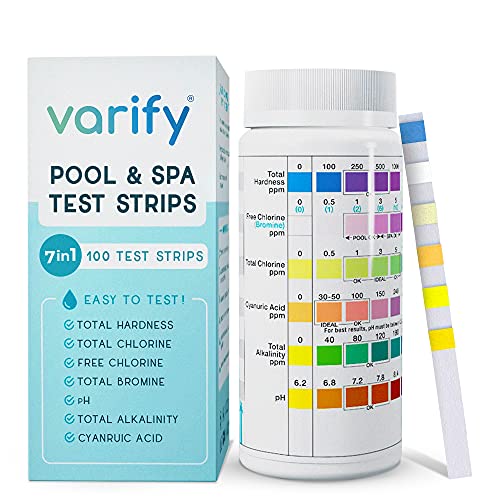
7 IN 1 TEST STRIPS: Simplify your pool and spa maintenance with Varify’s versatile test strips, capable of monitoring seven essential water quality parameters: Total Chlorine, Free Chlorine, Bromine, Total Hardness, Total Alkalinity, pH, and Cyanuric Acid. This all-inclusive kit ensures your swimming pool or spa water remains pristine and safe for use.
Types of Test Kits
- Test Strips: Quick and easy to use, these strips provide instant results. Just dip a strip into pool water and compare the colors to a chart provided on the packaging.
- Liquid Test Kits: More accurate than test strips, these kits measure chlorine levels through a chemical reaction. You’ll mix pool water with reagents in a vial and observe color changes.
- Digital Testers: For tech-savvy pool owners, electronic testers offer precision. These devices analyze water samples and display results on a digital screen.
- Low Levels (below 1 ppm): This range indicates insufficient chlorine, failing to disinfect the water effectively. Swimmers face a greater risk for waterborne illnesses.
- Ideal Levels (1-3 ppm): This zone is optimal for pool safety. Chlorine effectively kills harmful bacteria while remaining comfortable for swimmers.
- High Levels (above 3 ppm): Elevated chlorine can cause skin and eye irritation, making swimming uncomfortable. If levels exceed 5 ppm, excessive chlorine could produce harmful effects.
- Taking Action: If you detect low chlorine levels, add a suitable chlorine product to boost levels. For high levels, consider diluting the pool water by adding fresh water or allowing chlorine to dissipate naturally.
Conclusion
Keeping your pool’s chlorine levels just right is key to enjoying a safe swim. Too much chlorine can lead to discomfort and health issues while too little can make your pool a breeding ground for germs. Regular testing and maintenance are essential to strike that perfect balance.
Remember to monitor the factors that influence chlorine levels and adjust accordingly. With a little attention and care you can ensure your pool remains a refreshing oasis for you and your loved ones. Happy swimming!
Frequently Asked Questions
What is the ideal chlorine level for pools?
Maintaining chlorine levels between 1 to 3 parts per million (ppm) is recommended for effective disinfection and to prevent algae growth in your pool.
Why is it important to monitor chlorine levels?
Regularly monitoring chlorine levels helps to prevent waterborne illnesses and ensures a safe swimming environment by effectively killing harmful bacteria.
What can affect chlorine levels in a pool?
Factors such as sunlight exposure, water temperature, pool usage, organic debris, and pH levels can all influence chlorine levels in your pool.
What are the signs of low chlorine levels?
Chlorine levels below 1 ppm can lead to ineffective disinfection, increasing the risk of harmful bacteria and waterborne illnesses.
What should I do if chlorine levels are too high?
If chlorine levels exceed 3 ppm, it’s advisable to dilute the pool water by adding fresh water to reduce chlorine concentration and avoid skin and eye irritation.
How can I test chlorine levels in my pool?
You can test chlorine levels using test strips, liquid test kits, or digital testers, ensuring accurate readings for maintaining proper pool chemistry.
What are the health risks associated with excessive chlorine?
High chlorine levels can cause skin and eye irritation, as well as respiratory issues, making it crucial to keep levels within the recommended range.