Thinking about switching your chlorine pool to a saltwater system? You’re not alone. Many pool owners are making the switch for a more enjoyable swimming experience and easier maintenance. But before you jump in, you might be wondering how much it’ll cost and what’s involved in the process.
Key Takeaways
- Cost of Conversion: Transitioning from a chlorine pool to a saltwater system typically costs between $1,500 and $3,500, factoring in chlorinator purchase, installation, and initial salt needs.
- Lower Ongoing Costs: While initial expenses are higher, ongoing maintenance costs for saltwater pools are generally lower, averaging $100 to $300 annually for salt and balancing chemicals.
- Increased Comfort: Saltwater pools offer a more pleasant swimming experience with softer water, reducing skin and eye irritation compared to traditional chlorine pools.
- Automatic Chlorine Generation: Saltwater systems produce chlorine consistently, leading to stable sanitizer levels and less frequent chemical handling.
- Compatibility Considerations: Most existing pools can be adapted for saltwater systems, but evaluate current equipment and pool conditions to ensure a smooth transition.
- Essential Equipment: Key components for the conversion include a saltwater chlorinator, pool-grade salt, and testing kits to monitor water chemistry effectively.
Understanding Chlorine Pools
Chlorine pools are traditional swimming pools that use chlorine to sanitize the water. Many pool owners appreciate their effectiveness in keeping water clean and safe for swimming.
Benefits of Chlorine Pools
- Effective Sanitization: Chlorine effectively kills bacteria, algae, and germs, ensuring a safe swimming environment.
- Widely Available: Chlorine products are readily available at most home improvement and pool supply stores, making maintenance straightforward.
- Cost-Effective Maintenance: Chlorine systems often have lower initial costs compared to saltwater systems, making them an attractive option for cost-conscious owners.
- Fast Shock Treatment: Chlorine allows for quick shock treatments, which can immediately address water quality issues without delay.
- Skin and Eye Irritation: Chlorine can irritate skin and eyes, which affects user comfort and enjoyment.
- Chemical Handling: Regularly handling chlorine tablets or liquid can pose risks if not managed properly, requiring careful storage and usage.
- pH Imbalance: Chlorine pools often require frequent pH balancing to maintain water quality, adding extra steps to maintenance routines.
- Odor: Chlorine creates a strong chemical smell, which some swimmers might find unpleasant.
Transitioning from a chlorine pool to a saltwater system involves understanding these aspects and weighing the pros and cons based on your specific needs.
Why Switch to Saltwater?
Switching to a saltwater pool offers several benefits that enhance your swimming experience and simplify maintenance. Understanding these advantages can help you make an informed decision.
Recommended Products

Self-Cleaning Function: The chlorination system features a self-cleaning function, which can be set to reverse polarity every 4, 8, or 12 hours to maintain efficient cleaning of the titanium cell and extend the service life of the titanium cell.

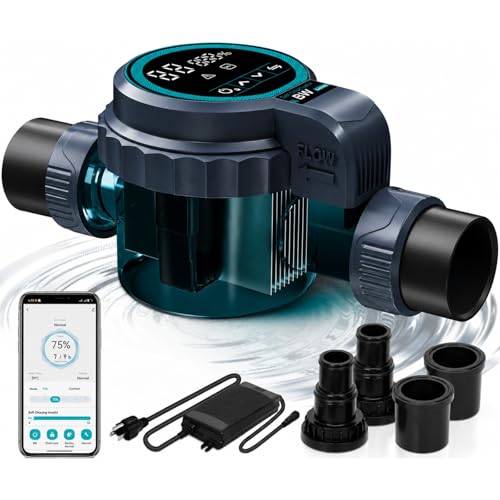
【Massive 25g/H Chlorine Output】: Convert your above-ground swimming pool into a crystal-clear oasis! With a 25g/h output, a smart saltwater chlorinator efficiently disinfects pools up to 31,700 gallons using electrolysis. Simply add food-grade sea salt (99.6% NaCl) for continuous sodium hypochlorite production—no chlorine tablets needed.
Advantages of Saltwater Pools
- Softer Water: Saltwater pools use a salt chlorine generator to convert salt into chlorine, resulting in softer water for swimming. This reduces irritation to your skin and eyes.
- Lower Chemical Costs: While the initial setup may require more investment, the ongoing costs for salt are typically lower than traditional chlorine. You can save on the need for additional chemicals.
- Less Maintenance: Saltwater systems automatically generate chlorine, meaning you spend less time buying and adding chemicals. You’ll experience fewer fluctuations in chlorine levels.
- Longer Equipment Life: Saltwater pools are gentler on pool equipment compared to chlorine pools, leading to a longer lifespan for vinyl liners and pool tiles.
- Consistent Chlorine Levels: Saltwater systems produce chlorine consistently, which helps maintain stable sanitizer levels. This stability contributes to a more pleasant swimming environment.
- Saltwater Pools Are Toxic: Many fear that saltwater pools produce harmful chemicals. In reality, they operate on lower chlorine levels, which are less irritating than traditional chlorine pools.
- High Salt Concentration: Some believe that saltwater pools contain high levels of salt. However, the salt concentration is about one-tenth that of ocean water, making it comfortable for swimming.
- Increased Corrosion Risks: There’s a misconception that saltwater causes corrosion. While it can be corrosive, proper maintenance and choosing the right materials prevent damage to equipment and surfaces.
- No Need for Monitoring: Some think saltwater pools don’t require monitoring. Regular testing of pH and salinity levels is still essential to ensure optimal operation.
- Complex Setup: The transition to saltwater pools seems complicated to some. With the right guidance, changing to a saltwater system can be straightforward and manageable.
Assessing the Costs
Assessing the costs of converting your chlorine pool to a saltwater system is crucial for informed decision-making. Understanding both initial and ongoing expenses helps you create a budget and evaluate the benefits.
Recommended Products

Smart Wifi App Control: Control your spa anytime with the GeniLife app. Built-in dual-band WiFi (2.4GHz & 5GHz) lets you check salt levels, monitor system status, and adjust settings remotely in real time, enjoy your crystal clear spa anytime, anywhere
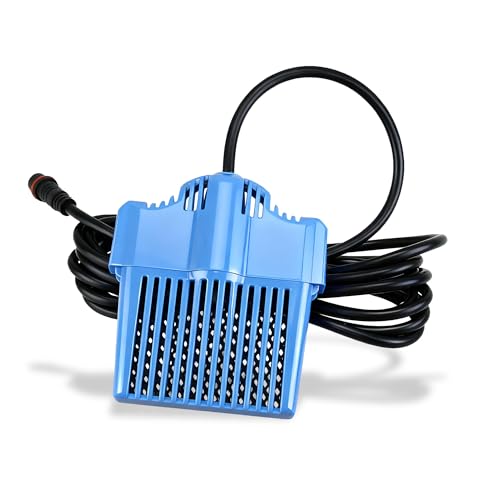
Compatibility: Hot tub salt system conversion kit is compatible with Saltron Mini hot tub salt system, Replaces CLG20A-010.Please verify the exact model number of your tub before buyer and ensure it matches the listed compatible models
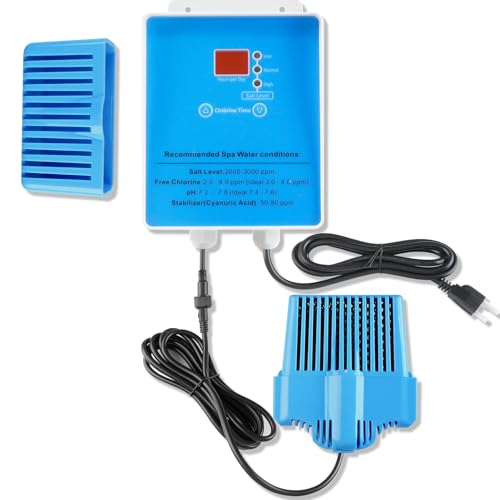
PRODUCT FEATURES: This salt chlorine generator produces pure chlorine through natural salt electrolysis, effectively sanitizing water while keeping it clean and free of harsh chemicals for softer and cleaner water.
Initial Conversion Expenses
Initial conversion expenses for a saltwater pool can vary. Expect costs between $1,500 and $3,500. This includes purchasing a saltwater chlorinator, which typically ranges from $500 to $1,500. Installation costs may add another $1,000, depending on your pool’s size and the complexity of the setup.
Here’s a breakdown of the main components:
- Chlorinator: $500 – $1,500
- Installation: $1,000
- Salt: $50 – $100 (initial load)
Consider additional costs like equipment upgrades or repairs. If you need to replace or enhance your filtration system, budget an extra $200 to $1,000.
Ongoing Maintenance Costs
Ongoing maintenance costs for a saltwater pool usually drop compared to chlorine systems. You’ll spend approximately $100 to $300 annually on salt and balancing chemicals. Costs for regular maintenance services range from $75 to $150 per visit if you hire professionals.
Here’s a summary of ongoing expenses:
- Salt: $50 – $100 (per year)
- Balancing Chemicals: $50 – $200 (per year)
- Maintenance Service: $75 – $150 (per visit)
Factors like water temperature and pool usage influence your actual costs. Ensure regular monitoring of your salt level and water chemistry to keep expenses minimal and maintain pool health.
The Conversion Process
Changing your chlorine pool to a saltwater system involves several straightforward steps and specific equipment needs. Understanding the process can make this transition smoother and more cost-effective.
Recommended Products
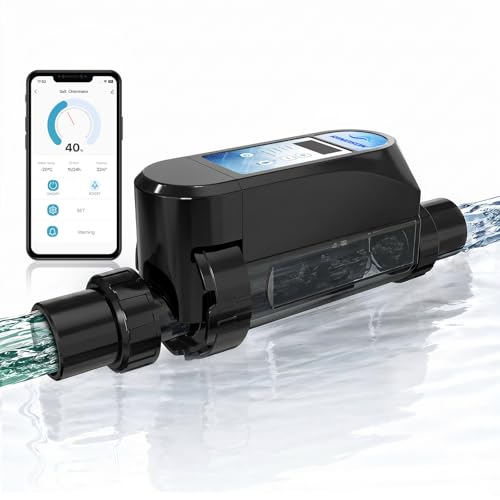
REMOTE CONTROL VIA APP: Smart saltwater chlorinator supports remote control via app (2.4GHz WiFi only). Operate the system anytime, anywhere—turn it on/off, adjust chlorine levels, or activate self-cleaning mode. Produces up to 0.7 oz of chlorine per hour (20g/h), ideal for pools up to 22,000 gallons, ensuring clean, safe water with less effort. Designed for reliable use with a built-in adapter supporting 100V–240V input.

INTELLIGENT MONITORING AND PROTECTION: The Westaho salt pool system features an advanced intelligent control panel, displaying key information like salt levels, pool water temperature, total cell usage time, cell operating voltage, and current. This ensures you're always aware of your pool's health. It also includes low water temperature protection, automatically shutting down below 52°F to extend cell lifespan and care for your pool

Multi-functional: The saltwater chlorinator system comes with a built-in LED&APP controllers, allowing the saltwater system to operate daily at your set time without waiting or frequent settings. The salt system for inground pools also features water temperature, salinity detection functions.
Steps to Change from Chlorine to Saltwater
- Evaluate Your Pool: Assess your current pool setup and determine if it’s compatible with a saltwater system. Most pools work well, but older liners or equipment may require upgrades.
- Purchase a Saltwater Chlorinator: Select an appropriate saltwater chlorinator based on your pool size. The chlorinator converts salt into chlorine, maintaining balanced water chemistry.
- Choose the Right Salt: Use only pool-grade salt, typically sodium chloride. Aim for a salt level of 2,500 to 3,500 ppm in your pool water.
- Drain the Pool: Depending on the existing chlorine level, you might need to partially drain your pool to lower chlorine concentrations.
- Add Salt: Spread the salt evenly across the surface of your pool. Use approximately 600 to 800 pounds of salt for an average-sized pool of 20,000 gallons.
- Start the Chlorinator: Turn on the chlorinator and allow it to dissolve the salt in the water. This may take 24 hours, depending on the water temperature and chlorinator type.
- Test Water Chemistry: Regularly test the water’s pH, alkalinity, and chlorine levels. Adjust as necessary to reach optimal conditions.
- Monitor and Maintain: Keep an eye on salt levels and replenish as needed. Maintaining proper levels extends the life of your equipment and ensures a safe swimming environment.
Essential Equipment Required
To transition your pool to a saltwater system effectively, certain equipment is necessary:
- Saltwater Chlorinator: A key component for converting salt into chlorine. Choose a model fit for your pool size.
- Salt: Use high-purity pool salt. Aim for a minimum of 99% purity to prevent residue buildup.
- Testing Kit: A reliable test kit checks pH, alkalinity, and salt levels. Regular testing helps maintain balance.
- Pump and Filter: Ensure your pump and filter are compatible with saltwater systems, as salt can be corrosive.
- Stabilizer: Use cyanuric acid to stabilize chlorine levels, especially in outdoor pools.
By following these steps and using the right equipment, you can make the conversion from chlorine to saltwater efficiently and enjoy the benefits of your new pool system.
Conclusion
Transitioning from a chlorine pool to a saltwater system can be a game changer for your swimming experience. With softer water and lower maintenance costs it’s no wonder so many pool owners are making the switch. While the initial investment might seem daunting the long-term benefits often outweigh the costs.
By following the right steps and keeping an eye on your pool’s health you’ll find that maintaining a saltwater pool can be both easy and enjoyable. Embrace the change and dive into the world of saltwater pools; you might just love it more than you expected.
Frequently Asked Questions
What are the benefits of switching from a chlorine pool to a saltwater pool?
Saltwater pools offer several advantages, including softer water that’s gentler on skin and eyes, lower chemical costs, less frequent maintenance, longer-lasting equipment, and stable chlorine levels. These benefits contribute to a more enjoyable swimming experience and reduced overall costs.
How much does it cost to convert a chlorine pool to a saltwater system?
The cost of converting a chlorine pool to a saltwater system typically ranges from $1,500 to $3,500. Ongoing maintenance costs for salt and balancing chemicals are approximately $100 to $300 annually, depending on factors such as pool size and usage.
What equipment is needed for a saltwater pool?
Key equipment for a saltwater pool includes a saltwater chlorinator, pump, filter, testing kit, and stabilizer. Regular maintenance and monitoring of these components are crucial for ensuring optimal performance and water quality.
Do saltwater pools require less maintenance than chlorine pools?
Yes, saltwater pools generally require less maintenance compared to chlorine pools. The saltwater chlorinator automatically generates chlorine, reducing the need for manual chemical additions. However, regular water testing and equipment monitoring are still essential.
Are there any misconceptions about saltwater pools?
Common misconceptions include that saltwater pools are chlorine-free and less salty than ocean water. In reality, saltwater pools still contain chlorine, albeit at lower levels, and the salinity is usually about one-tenth of that found in seawater, making it more comfortable for swimmers.