Wondering how often you should chlorinate your pool? You’re not alone. Many pool owners struggle with finding the right balance to keep their water clean and safe. Too little chlorine can lead to algae growth and cloudy water, while too much can irritate your skin and eyes.
Key Takeaways
- Chlorination Frequency: The frequency of chlorination is influenced by pool size, environmental conditions, and bather load; larger pools and hotter weather will require more frequent chlorination.
- Weekly Maintenance: It is recommended to chlorinate your pool at least once a week, with adjustments made based on usage and seasonal changes for optimal water quality.
- Signs of Insufficient Chlorine: Look for indicators like cloudy water and unpleasant odors, which can signal the need for additional chlorine to maintain safety and clarity.
- Seasonal Adjustments: Increase chlorination during summer months when usage and temperatures are high, and reduce it during cooler months when the pool is used less frequently.
- Alternative Sanitization Methods: Consider alternative methods like saltwater systems or UV/ozone treatments to enhance water quality and potentially reduce reliance on traditional chlorine.
Factors Influencing Chlorination Frequency
Chlorination frequency depends on several key factors. Understanding these will help maintain optimal water quality in your pool.
Pool Size and Volume
Pool size and volume significantly affect how often you should chlorinate. Larger pools require more chlorine to maintain the same sanitation level. You’ll typically need to add more chlorine if your pool holds over 20,000 gallons. For example, a smaller above-ground pool may require chlorination every few days, while a large in-ground pool may need adjustments every day during peak use.
Environmental Conditions
Environmental conditions play a crucial role in chlorination needs. Factors like sunlight exposure, rainfall, and temperature impact chlorine levels. Sunlight can quickly dissipate chlorine, so during hot summer days, you might need to chlorinate more frequently. Additionally, heavy rains can dilute chlorine levels, prompting adjustments after storms. For instance, if you live in a sunny area, consider testing chlorine levels daily.
Bather Load
Bather load is a major influencer of how often you should chlorinate. More swimmers introduce contaminants, increasing the demand for chlorine. For every swimmer, additional chlorine may be necessary to maintain safe water levels. If your pool often hosts parties or daily usage, expect to chlorinate more often. For example, if ten people swim for a few hours, you might want to test and add chlorine afterward to ensure water safety.
Recommended Chlorination Schedule
Maintaining a consistent chlorination schedule ensures your pool stays clean and safe. Chlorination frequency affects water quality and swimmer comfort.
Recommended Products
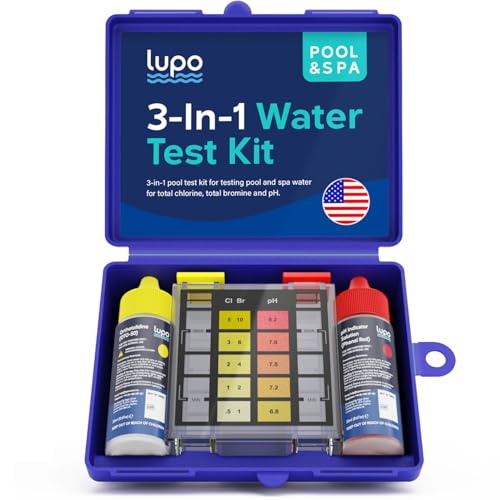
3-IN-1 POOL TESTING KIT: An easy-to-use, accurate pool test kit for testing three essential water quality parameters in residential pools and spas: Total Chlorine, Total Bromine, and pH. Includes enough reagents for 100 tests, helping keep your water safe, clean, balanced, and ready to use anytime.

Reliable Results In Seconds – Everything you need to test your pool or spa is conveniently packaged in the handy storage case, including a comparator to mix samples, and 8 easy-to-use reagents for 6 common water test parameters for DPD testing: Free & Total Chlorine, Bromine, pH, Acid Demand, and Total Alkalinity.
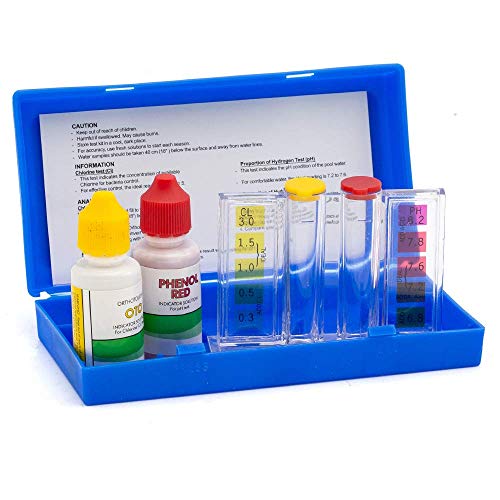
2 Way Pool Water Test Kit For Test For OTO, CL, and PH Level
Weekly Chlorination
Chlorinate your pool at least once a week. This schedule is crucial for maintaining optimal chlorine levels. For most residential pools, adding a standard dose of chlorine each week ensures bacteria and algae stay under control. If your pool sees heavy use, consider chlorinating more often. Keep an eye on the chlorine levels using test kits to determine if adjustments are necessary.
Seasonal Adjustments
Adjust your chlorination routine based on the season. During summer months, when usage peaks and temperatures rise, increase chlorination to twice a week. Sunlight and higher temperatures can deplete chlorine faster. In cooler months, when pool usage decreases, you can reduce chlorination to once every two weeks. Always test your water before adjustments to ensure balanced chemical levels.
Signs Your Pool Needs More Chlorine
You can identify if your pool requires additional chlorine by watching for specific signs. These indicators can help maintain a clean and safe swimming environment.
Recommended Products

4 in 1 Formula: Kills bacteria and won’t impact pH. Clears cloudy water. Destroys contaminants. Improves filter performance

BENEFIT: Shock treat, sanitize, clarify, and help prevent bacteria and algae in your swimming pool water, all with this convenient, easy-to-use product

6 in 1 Formula: Kills bacteria and algae to maintain a clear swimming pool. Our algae-fighting formula prevents algae for crystal-clear water. Destroys contaminants to aid filter performance and clear dull, cloudy water
Cloudy Water
Cloudy water often signals insufficient chlorine. When chlorine levels drop, contaminants like bacteria or algae can thrive, causing water clarity issues. Test the water for chlorine levels regularly. If you notice cloudiness, consider adding chlorine to restore clarity.
Unpleasant Odors
Unpleasant odors emanating from your pool indicate potential chlorine deficiency. If your pool smells strongly of chlorine, it may be a sign of chloramine buildup, which indicates that the existing chlorine is working hard to combat contaminants. If the water smells bad even with added chlorine, it’s time to shock the pool with a higher chlorine dose to eliminate these odors and restore balance.
Regular observation and testing will ensure you maintain appropriate chlorine levels, keeping your pool inviting and safe for use.
Alternative Pool Sanitization Methods
Chlorination is a popular method for sanitizing pools, but several alternative options exist. These methods can enhance water quality and reduce reliance on traditional chlorine.
Recommended Products

【Premium Saltwater Pool System】Designed for expansive pools up to 26,500 gallons, the salt chlorine generator uses advanced electrolysis technology automatically converts salt to chlorine, cuts chlorine costs by 50% vs traditional methods. Delivers silky-soft, irritation-free water while eliminating harsh odors. Ideal for creating a healthy, worry-free swimming environment

INTELLIGENT MONITORING AND PROTECTION: The Westaho salt pool system features an advanced intelligent control panel, displaying key information like salt levels, pool water temperature, total cell usage time, cell operating voltage, and current. This ensures you're always aware of your pool's health. It also includes low water temperature protection, automatically shutting down below 52°F to extend cell lifespan and care for your pool

Saltwater Systems
Saltwater systems use salt to generate chlorine through a process called electrolysis. You’ll enjoy softer water that can be gentler on your skin and eyes. Saltwater systems require about 3,000 to 5,000 parts per million (ppm) of salt in the water. Regular maintenance includes checking the salt level every few weeks and cleaning the salt cell every few months to ensure efficiency. While you’ll still need to monitor pH and alkalinity levels, this method can simplify chlorination needs.
UV and Ozone Treatments
UV and ozone treatments provide non-chemical sanitation options. UV systems use ultraviolet light to neutralize bacteria and viruses, reducing the need for chlorine. You’ll find these systems are effective at eliminating contaminants without changing the water’s chemistry. Ozone generators produce ozone gas, which kills pathogens. Both methods can lower overall chlorine usage while improving water clarity. Regular maintenance is essential to keep UV lamps functioning effectively and to ensure ozone levels remain optimal.
By incorporating these alternative methods, you can provide a clean and safe swimming environment while diversifying your pool care routine.
Conclusion
Maintaining the right chlorine levels is key to enjoying a safe and clean pool. By adjusting your chlorination routine based on factors like pool size and usage, you can keep your water sparkling all season long. Don’t forget to keep an eye out for signs that your pool needs more chlorine.
Exploring alternative sanitization methods can also enhance your pool care routine. Whether you choose a saltwater system or UV treatment, regular maintenance is essential for optimal performance. With the right approach, you’ll create a refreshing oasis for you and your loved ones to enjoy. Happy swimming!
Frequently Asked Questions
How often should I chlorinate my pool?
It’s recommended to chlorinate your pool weekly, but the frequency may vary based on pool size and the number of bathers. Seasonal adjustments may be necessary to maintain proper chlorine levels for cleanliness and safety.
What are the signs that my pool needs more chlorine?
Signs that your pool may need more chlorine include cloudy water, strong odors, or an increase in algae growth. Additionally, if water tests show low chlorine levels, it’s a clear indication to add more.
What alternative sanitization methods can I use for my pool?
Alternatives to traditional chlorine include saltwater systems, UV treatments, and ozone systems. These options can reduce chlorine dependency, neutralize bacteria and viruses, and improve overall water quality.
How does a saltwater pool work?
A saltwater pool uses salt to generate chlorine through a process called electrolysis. This results in a constant supply of chlorine, making it gentler on skin and eyes while still keeping the pool clean.
Are UV and ozone treatments effective for pool sanitation?
Yes, both UV and ozone treatments effectively neutralize bacteria and viruses without the use of chemicals. Regular maintenance is important for these systems to ensure they work effectively and provide a safe swimming environment.