Is your pool looking a little cloudy despite all your cleaning efforts? You might be overlooking one key factor: the sand in your filter. Over time, filter sand can become clogged with dirt and debris, making it less effective at keeping your water crystal clear.
Key Takeaways
- Regularly change your pool filter sand every 3 to 5 years to maintain optimal filtration and water clarity.
- Monitor factors such as pool usage and water quality, as these can influence how often sand should be replaced, with heavily used pools typically needing changes every 2 to 3 years.
- Watch for warning signs like increased pressure gauge readings, poor water clarity, frequent backwashing, or sand accumulating in the pool, which indicate that a sand change is necessary.
- Benefits of regular sand replacement include improved water clarity, enhanced filtration efficiency, reduced maintenance costs, extended equipment lifespan, and prevention of chemical imbalances.
- Incorporate sand maintenance into your seasonal pool care to ensure a healthy and enjoyable swimming environment for all users.
Importance Of Pool Filter Sand Maintenance
Maintaining your pool filter sand is crucial for optimal pool performance. Filter sand traps dirt and debris, keeping your water clean and clear. Neglecting filter sand maintenance can lead to larger problems, such as algae growth and unwanted microorganisms in your pool.
Proper maintenance helps extend the life of your pool filter system. Regularly changing the sand prevents clogs that reduce flow rates. When flow rates drop, your pool pump must work harder, increasing energy costs.
You should replace the sand every 3 to 5 years, depending on usage and water quality. More frequent replacements are necessary if you notice cloudy water or increased pressure on the filter. To assess filter performance, regularly check the pressure gauge. A sudden spike indicates it’s time for a sand change.
Additionally, cleaning the sand regularly can enhance its effectiveness. Backwashing your filter removes some debris but doesn’t eliminate all contaminants. Use a pool brush to scrub the filter tank’s interior during maintenance.
Incorporate sand maintenance into your seasonal pool care routine. Regular checks keep your pool safe and enjoyable. Whether for family fun or relaxation, a well-maintained pool is always inviting.
Recommended Products

High-Quality Filtration: 50 pounds of pre-washed, kiln-dried natural silica sand for pool filter captures dirt, leaves, hair, and debris without clogging or clumping

2026 New Upgraded Cost-Effective: These pool filter media balls can efficiently replace traditional swimming pool filter sand. It is lighter, more eco-friendly, and more effective. What's more, filter balls won't clog your filter, high-quality fiber filter balls can extend the life of your sand filter pump for above ground pool. 4 pounds of filter balls are equivalent to 150 pounds of filter sand, which can meet your needs and replacement, provide a nice pool experience for you

Efficient and Low Loss: Made from polyester fiber, our filter balls are reusable. They can be used as a replacement for filter cartridges in swimming pool filtration systems, offering exceptional filtration efficiency. They effectively adsorb suspended particles, sediments, and impurities in the pool. With excellent permeability, water can flow through the filter balls swiftly without causing clogging. This allows for faster water circulation and purification
Factors Influencing Sand Change Frequency
Several factors determine how often you should change your pool filter sand. Monitoring these elements helps maintain water clarity and overall pool health.
Type Of Pool Filter Sand
Choosing the right sand type affects its longevity and efficiency. Use only pool filter sand, which has a specific size and shape designed for filtration. Specialty sands, like zeolite or glass, offer different properties, potentially increasing the time between changes. Regularly check sand quality to ensure it’s not breaking down or clumping, as this can affect filter performance.
Pool Usage Patterns
Pool usage impacts how quickly sand becomes contaminated. If your pool sees heavy use, such as frequent parties or lots of kids splashing around, contaminants accumulate faster. Assess your usage frequency. For heavily used pools, consider changing the sand every 2 to 3 years. In contrast, lightly used pools may only require sand changes every 4 to 5 years.
Water Quality Considerations
Testing water quality regularly reveals how factors like debris, chemicals, and algae growth affect your pool. High levels of contaminants can clog the sand, reducing filtration efficiency. If water clarity decreases or you notice an increase in algae, a sand change may be necessary. Regular water testing keeps you informed about when to make adjustments, ensuring the pool remains clean and safe.
Recommended Change Frequency
Changing your pool filter sand keeps the pool water clean and clear. Regular maintenance ensures effective filtration, so it’s essential to follow recommended change frequencies.
Recommended Products

Our pool hose is suitable for Intex filter pumps, saltwater systems and sand filters that use a 1.5" connection. It is recommended to replace it once every 2-3 months.
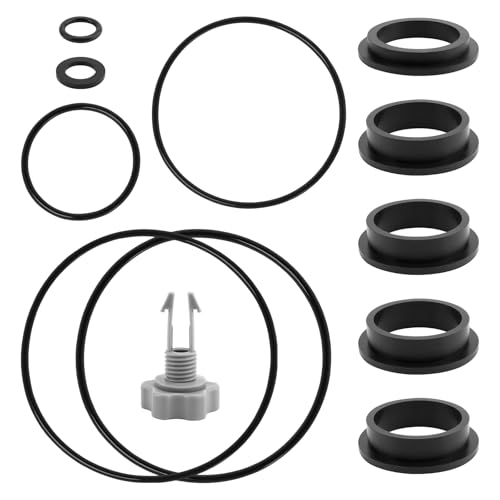
Sand Filter Pump Seal Gasket Parts: Pool pump hose gaskets are ideal for Intex sand filter hose leakage, great replacements for intex hoses/pump.

Our pool hose is suitable for Intex filter pumps, saltwater systems and sand filters that use a 1.5" connection. It is recommended to replace it once every 2-3 months.
General Guidelines
Replace the sand in your pool filter every 3 to 5 years. This timeline varies based on your pool’s usage and local water quality. For heavily used pools or those in areas with poor water quality, consider changing the sand every 3 years. In contrast, pools with light usage might go up to 5 years.
Signs That Indicate Sand Replacement
Monitor these signs to determine when to change your filter sand:
- Increased Pressure Gauge Reading: If your pressure gauge consistently shows a higher reading than normal, it’s a sign that the sand is clogged. Change the sand when the pressure rises 8 to 10 psi above the normal range.
- Poor Water Clarity: If your pool water appears cloudy despite regular cleaning and chemical balancing, the sand may not be filtering effectively.
- Frequent Backwashing: If you find yourself backwashing more often than usual, this could indicate that the sand has reached its effectiveness limit and needs replacement.
- Sand in the Pool: If you notice sand settling at the bottom of the pool, it’s a certain sign that the sand filter is deteriorating and requires a change.
Regular monitoring and maintenance ensure a healthy swimming environment.
Benefits Of Regular Sand Replacement
Regularly replacing your pool filter sand offers several advantages that enhance your pool’s performance and longevity.
Improved Water Clarity
Changing the sand prevents clogs that trap dirt and algae, ensuring crystal-clear water. Cleaner sand provides better filtration, leading to fewer contaminants in your pool.
Enhanced Filtration Efficiency
New sand effectively captures smaller particles. Old sand collects debris, becoming less efficient over time. Fresh sand increases the filter’s ability to trap contaminants, helping maintain hygienic water.
Reduced Maintenance Costs
By replacing sand regularly, you minimize backwashing frequency and energy consumption. Efficient filtration means reduced strain on the pump, lowering overall energy expenses.
Extended Equipment Lifespan
Using old, degraded sand can lead to increased wear on your filter system. Regular replacements help maintain optimal conditions, ultimately extending the lifespan of your equipment.
Prevention of Chemical Imbalance
Old sand can harbor harmful bacteria and algae. By replacing it, you promote a healthier pool environment, reducing the likelihood of chemical imbalance. This leads to safer swimming conditions.
Proactive Problem Solving
Monitoring sand condition offers early indications of other potential issues. By replacing sand as needed, you prevent problems from escalating, ensuring your pool remains in top shape.
Implementing these practices keeps your pool clean and enhances your overall swimming experience.
Conclusion
Taking care of your pool filter sand is key to enjoying a clean and inviting swimming environment. By keeping an eye on your filter and changing the sand every 3 to 5 years you’ll ensure your pool stays in top shape. Don’t forget to monitor the pressure gauge and perform regular maintenance like backwashing and scrubbing.
With these simple practices you can enhance water clarity and efficiency while saving on energy costs. So go ahead and make sand replacement a part of your pool care routine. You’ll not only improve your pool’s performance but also create a more enjoyable experience for everyone who dives in. Happy swimming!
Frequently Asked Questions
How often should I replace pool filter sand?
Replacing pool filter sand every 3 to 5 years is recommended, depending on your pool’s usage and water quality. This regular maintenance prevents clogs and maintains optimal flow rates.
What are the signs that it’s time to change pool filter sand?
Monitor the pressure gauge; a spike indicates it may be time for a sand change. Additionally, if you notice decreased water clarity or filtration efficiency, it’s a sign to replace the sand.
How can I maintain pool filter sand effectively?
Regularly clean the sand by backwashing and scrubbing the filter tank. This helps enhance filtration efficiency and prolongs the life of the sand.
What factors affect how often I should change pool filter sand?
Sand type, pool usage patterns, and overall water quality can influence the frequency of sand changes. More frequent use or poor water conditions may necessitate earlier changes.
What are the benefits of regular sand replacement?
Regular sand replacement leads to improved water clarity, enhanced filtration efficiency, reduced maintenance costs, and extended equipment lifespan, ensuring a cleaner and healthier swimming pool.