Have you ever noticed your pool light flickering or just not working at all? It can be frustrating when you’re ready to enjoy a night swim, only to find your backyard oasis dim and uninviting. Replacing a pool light might seem daunting, but it doesn’t have to be.
Key Takeaways
- Types of Pool Lights: Familiarize yourself with various pool light options (incandescent, LED, halogen, fiber optic, solar) to select the best fit for your needs.
- Benefits of Upgrading: Upgrading to LED lights improves energy efficiency, longevity, safety, aesthetic appeal, and requires less maintenance.
- Preparation for Replacement: Gather essential tools (screwdriver, wire strippers, voltage tester) and follow safety precautions to ensure a safe replacement process.
- Step-by-Step Replacement Guide: Follow a clear guide, starting with draining the pool, removing the old fixture, and properly installing the new light to enhance pool ambiance and safety.
- Troubleshooting Common Issues: Understand common problems like flickering lights and leaks, and know how to address them to maintain the functionality and safety of your pool lighting system.
Understanding Pool Lights
Pool lights are essential for enhancing the safety and ambiance of your swimming area during nighttime use. Knowing the different types of pool lights and their benefits can help you make informed decisions when replacing or upgrading them.
Types of Pool Lights
- Incandescent Lights: Traditional and commonly found, incandescent lights provide warm illumination. They’re less energy-efficient and generate more heat, which can lead to higher electricity bills.
- LED Lights: LED lights offer high energy efficiency and a long lifespan, often exceeding 25,000 hours. They come in various colors and styles, making them perfect for aesthetic preferences.
- Halogen Lights: Halogen lights produce bright light and have a medium lifespan. They provide better energy efficiency than incandescent options but still generate considerable heat.
- Fiber Optic Lights: Fiber optic systems include multiple light sources, allowing you to create colorful effects without the heat of traditional bulbs. They’re great for decorative purposes but may require more maintenance.
- Solar-Powered Lights: Solar lights harness sunlight during the day for illumination at night. They’re eco-friendly, easy to install, and cost-effective in the long run, but their brightness depends on sunlight availability.
- Energy Efficiency: Upgrading to LED lights significantly reduces energy consumption. You can expect savings on your electric bill while enjoying bright, vibrant lighting.
- Longevity: Modern pool lights, especially LEDs, last much longer than older models. While traditional bulbs may need frequent replacements, LEDs can function effectively for years.
- Enhanced Safety: Well-lit pools deter accidents by improving visibility. Bright lighting makes it easier to see clear boundaries, ensuring a safer swimming experience.
- Aesthetic Appeal: Upgrading allows for creative lighting designs. Colored LED lights can create stunning effects, enhancing your pool’s ambiance and making it more inviting for gatherings.
- Low Maintenance: Newer lighting technology requires less maintenance. With longer lifespans and more durable materials, you spend less time on upkeep.
By understanding the types of pool lights and the benefits of upgrading, you position yourself to make wise choices concerning your pool’s lighting system.
Preparing for Replacement
Replacement of your pool light requires careful preparation to ensure a smooth process. Gather the right tools and follow safety precautions to achieve the best results.
Recommended Products

Energy-Efficient Performance: The HYMIOR 120V 65W PRO LED pool light bulb offers effortless upgrades, designed as a direct replacement for outdated 300W–800W halogen bulbs. It delivers up to 85% energy savings on electricity bills while maintaining equivalent or superior brightness levels, making it an ideal choice for enhancing pool illumination.
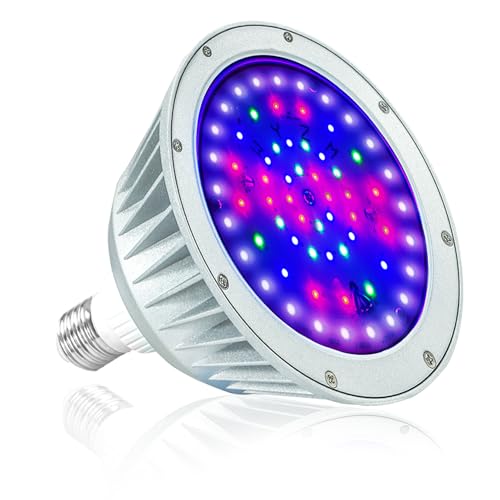
✔️120V led pool light & IP65 Waterproof:This is a 120V led pool light bulb with IP65 waterproof rating. IP68 waterproof rating ensures reliable performance in submerged environments. Note: Please double-check that you require a 120V pool light before ordering to avoid voltage mismatch issues (e.g., accidentally purchasing 120V instead of 12V).
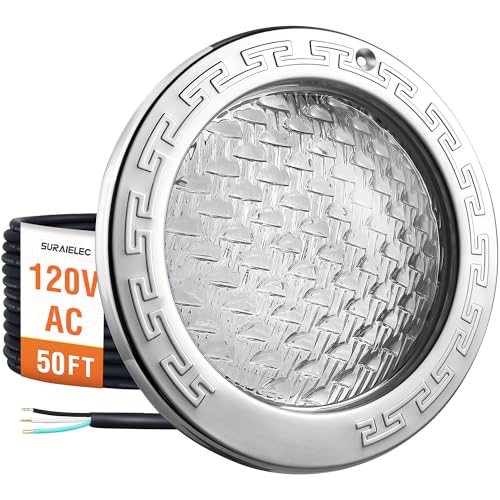
Fits Standard 10 Inch Niches – Wide Compatibility: Compatible with most 10 inch pool light housings, including popular models from Pentair, Hayward, and Jandy. A great fit for both upgrades and replacement
Gathering Necessary Tools
Gather the following tools for the replacement process:
- Screwdriver: A flat-head or Phillips screwdriver, depending on your pool light fixture.
- Pool Light Replacement: Choose the appropriate new light model, such as LED or halogen, based on your preferences.
- Wire Strippers: For stripping the wire insulation if needed.
- Electrical Tape: For securing connections and ensuring they remain insulated.
- Gloves: To protect your hands during the process.
- Safety Glasses: To shield your eyes from debris.
- Voltage Tester: To confirm that the power is off before working on the light.
Having these tools ready simplifies the replacement process and reduces chances of complications.
Safety Precautions
Implement these safety precautions to ensure a safe experience:
- Turn Off Power: Always turn off the circuit breaker supplying power to the pool light before starting work.
- Test for Electricity: Use a voltage tester to make sure no electricity flows to the light fixture. This step guarantees you won’t encounter any electrical hazards.
- Work During Daylight: If possible, work during the daytime. It’s easier to see what you’re doing and avoid accidents.
- Secure Work Area: Keep the surrounding area free from obstacles. This space ensures safe movement while working.
Following these precautions prioritizes your safety and prevents unexpected issues.
Step-by-Step Guide on How Replace Pool Light
Replacing a pool light is a straightforward process when you follow these steps. You’ll ensure your pool remains safe and inviting.
Recommended Products

Fits Most 10" Standard Pool Niches: Designed for standard 10-inch inground pool niches and compatible with many Pentair, Hayward, and Jandy style housings; the 120V LED pool light is suitable for swimming pools, landscape pools, and water features; an easy upgrade for aging pool lighting systems
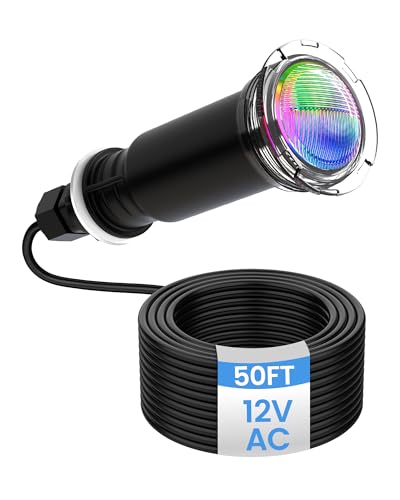
Fully compatible with Pentair GloBrite LED Color Pool Light. This inground swimming pool light designed for seamless replacement, requires minimum 2" conduit clearance. Works with Pentair IntelliTouch, EasyTouch & SunTouch systems switch colors. Runs on 12V AC (transformer not included). Use a proper 120VAC→12VAC transformer(Do not connect to 120V directly)

⚠️⚠️⚠️A Transformer is Required! -[Fits 10" Standard Niches]: Perfectly designed for 10 inch wet niches; easily replaces Pentair, Hayward, and Jandy 12V pool lights; includes a 50 FT power cord for convenient reach, making it an excellent choice for pool lights for inground pool
Draining the Pool
Draining the pool is essential for safe work on the light fixture. Use a submersible pump to remove the water. Aim to drain the water level below the light fixture, allowing easy access. Depending on your pool type, this may take several hours. Always check local regulations regarding water disposal.
Removing the Old Light Fixture
- Turn Off the Power: Switch off the circuit breaker that controls the pool light. Confirm there’s no power using a tester.
- Access the Light: Remove any screws or fasteners holding the light fixture in place. Gently pull the fixture out of its niche.
- Disconnect Wires: Carefully unscrew the wire nuts connecting the fixture wires to the electrical supply. Take a photo for reference.
- Remove the Fixture: Lift out the old fixture, ensuring no debris falls into the pool.
Installing the New Light Fixture
- Connect Wires: Match the wires from the new fixture to the corresponding wires in the junction box. Use wire nuts to secure the connections.
- Seal Connections: Apply electrical tape around the wire nuts to prevent moisture infiltration.
- Insert the Fixture: Carefully push the new fixture into the niche, ensuring it sits flat against the wall.
- Secure the Fixture: Reattach any screws or fasteners to hold the fixture in place.
- Restore Power: Return to the circuit breaker and switch the power back on.
- Test the Light: Turn on the pool light to ensure it functions correctly. If it doesn’t light up, double-check the wiring connections.
- Check for Leaks: Inspect around the fixture for any leaks or signs of water intrusion. Ensure all seals are tight.
By following these steps, you can successfully replace your pool light, enhancing both safety and ambiance in your pool area.
Common Issues and Troubleshooting
Pool lights enhance safety and ambiance but can experience issues. Understanding common problems helps in troubleshooting effectively.
Recommended Products
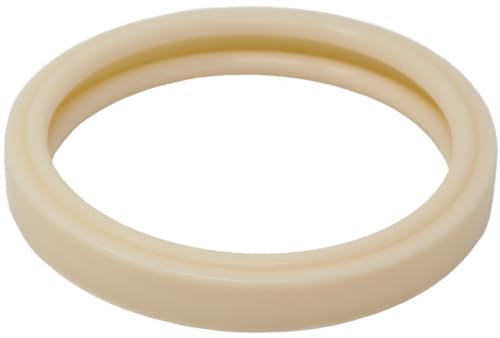
✅ 1 Lens Gasket Compatible with Pentair 79108500 & 79108500Z

【COMPATIBLE WITH】Pool light gasket is designed to be compatible with the Pentair Amerlite, Pentair Intellibrite and Pentair SAM Lights. It is a direct replacement for PN: 79101600Z

Material and Protection: our floodlight gaskets are made of rubber material; Designed for shielding and fixing purposes, protecting your sockets from debris, debris and scraps
Flickering Lights
Flickering pool lights often indicate a loose connection or electrical issue. Check the following:
- Wiring Connections: Inspect connections at the light fixture and junction box. Ensure all wires are tightly secured.
- Voltage Fluctuations: Measure voltage at the fixture. Inconsistent voltage might cause flickering, signaling a need for professional evaluation.
- Light Bulb Type: Different bulbs can react differently. If using LED lights, ensure they’re compatible with your existing transformer.
If simple checks don’t resolve the flickering, it might be time to consult a professional electrician.
Leaks Around the Fixture
Leaks around the pool light fixture can lead to more significant issues if not addressed promptly. Here’s what to check:
- Fixture Sealing: Inspect the gasket or sealing material around the fixture. Over time, seals can degrade, leading to leaks. Replace any damaged seals immediately.
- Cracks in the Fixture: Examine the light fixture itself for cracks. If cracks are present, consider replacing the fixture to prevent further leaks.
- Water Accumulation: Check for any water accumulation around the fixture. If present, review the pool’s drainage system to ensure it’s functioning correctly.
Addressing leaks promptly helps maintain a safe and enjoyable swimming environment.
Conclusion
Replacing your pool light doesn’t have to be a daunting task. With the right tools and a bit of know-how you can enhance both the safety and ambiance of your pool area. Upgrading to LED lights not only brightens things up but also saves you money in the long run.
Remember to follow safety precautions and troubleshoot any issues that arise to keep your pool in top shape. Enjoy your beautifully lit pool and the peace of mind that comes with a safe swimming environment. Happy swimming!
Frequently Asked Questions
What are the types of pool lights available?
Pool lights come in several types, including incandescent, LED, halogen, fiber optic, and solar-powered lights. Each type has its unique benefits regarding brightness, energy efficiency, and installation.
Why should I upgrade to LED pool lights?
Upgrading to LED pool lights offers multiple advantages like improved energy efficiency, longer lifespan, enhanced safety, aesthetic flexibility, and lower maintenance costs compared to traditional lighting options.
What safety precautions should I take when replacing pool lights?
When replacing pool lights, ensure the power supply is turned off, use proper waterproof fixtures, wear appropriate safety gear, and follow the manufacturer’s installation guidelines carefully.
How can I troubleshoot flickering pool lights?
To troubleshoot flickering pool lights, check for loose wiring connections, inspect for voltage fluctuations, and ensure the light fixture is sealed properly. If issues persist, consult a professional electrician.
What should I do if there’s a leak around my pool light fixture?
If you notice a leak around your pool light fixture, turn off the power immediately, inspect the sealing and gaskets, and replace them if necessary. Seek professional help if the problem continues.