Have you ever faced the hassle of winterizing your pool, only to realize you need to blow water out of the lines? It’s a common headache for pool owners, but it doesn’t have to be. Knowing how to properly clear your pool lines can save you from costly repairs and keep your pool in great shape.
In this article, you’ll learn simple steps to effectively blow water out of your pool lines. We’ll cover the tools you need and the best techniques to ensure your lines are clear and protected from freezing temperatures. With a little guidance, you’ll be ready to tackle this task with confidence and keep your pool ready for the next season.
Key Takeaways
- Essential Understanding: Grasp the critical role pool lines play in maintaining your pool and understand the risks of not clearing water from them.
- Preventive Measure: Blowing out water from pool lines is vital to prevent freezing damage, which can lead to costly repairs and system inefficiencies.
- Required Equipment: Use an air compressor with sufficient specifications, blowout plugs for an airtight seal, and necessary safety gear to execute the process safely.
- Step-by-Step Process: Follow a structured method—prepare the pool, execute the blowout, inspect lines, and perform final checks for optimal results.
- Maintenance Tips: Regularly inspect lines, clear debris, and ensure proper water chemistry and pump operation to prolong the life of your pool plumbing.
- Post-Winter Precautions: Winterize effectively by insulating exposed lines and inspecting for damage before the swimming season starts.
Understanding Pool Lines
Understanding pool lines is crucial for maintaining your swimming pool’s integrity. Properly clearing these lines prevents water accumulation, reducing the risk of freezing and subsequent damage.
Importance of Blowing Out Water
Blowing out water from pool lines protects your investment. Frozen water can expand and damage pipes, leading to costly repairs. For example, a cracked return line can result in leaks, which affect water chemistry and lead to further complications. Clearing the lines ensures smooth water circulation in warmer months, allowing your pool to function optimally.
Common Issues with Water in Lines
Water trapped in pool lines poses several risks. Frozen water can create pressure buildup, causing cracks or breaks in the plumbing system. Algae can also grow in stagnant water, leading to contamination and health risks. Additionally, you might encounter clogged jets or skimmers if lines aren’t properly cleared. Regularly blowing out water keeps lines clear and minimizes potential issues.
Necessary Tools and Equipment
To effectively blow water out of pool lines, you need specific tools and equipment. Gathering the right items ensures a smooth process and helps protect your pool’s plumbing system.
Recommended Products

Blow out plug adapter fitting to winterize underground irrigation sprinkler systems, outdoor pipes, RV, boat, watercraft, motorhome, camper, travel trailer, water lines, homes, cabins, faucets, spigots, garden hoses, sillcocks, and hose bibbs by blow out method.
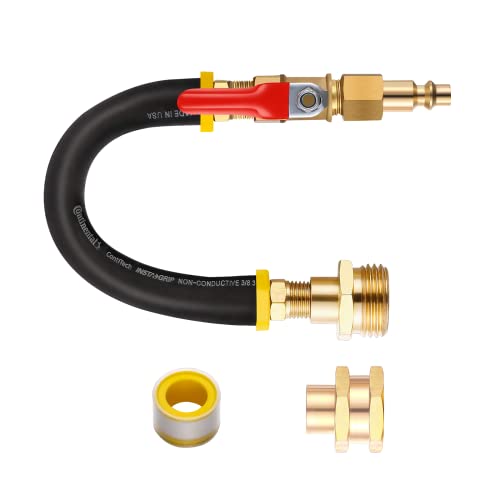
MULTIPURPOSE:The winterizing kit with shut off valve come with 3/4 male and female garden hose connector,When with male garden hose end is typically used to winterize recreational vehicles(RV), watercraft, garden hose, camper, boat and travel trailer. The fitting with female garden hose end is typically used to winterize sprinkler systems, garden hoses, and outdoor plumbing.
Air Compressor
An air compressor is essential for blowing air through the pool lines. Look for a model with at least 2 CFM (cubic feet per minute) at 90 PSI (pounds per square inch) to ensure sufficient airflow. Check the compressor’s user manual for instructions on connecting it to your pool lines. A portable, electric air compressor works best, allowing for easy maneuvering around your pool area.
Blowout Plugs
Blowout plugs prevent air from escaping during the blowout process. These plugs come in various sizes to fit different pipe diameters. Install the appropriate blowout plug in the skimmer or return line before using the air compressor. Ensure the plug is tight to avoid any leaks, as even a small gap can reduce effectiveness.
Safety Gear
Safety gear protects you during the blowout process. Use safety goggles to shield your eyes from debris. Wear gloves to keep your hands safe from sharp objects or tools. Additionally, consider using ear protection, especially if you’re using a loud air compressor. The right gear minimizes risks and ensures a safer work environment.
Step-by-Step Guide to Blow Water Out of Pool Lines
Clearing water from pool lines helps prevent damage caused by freezing. Follow these steps for effective blowout.
Recommended Products
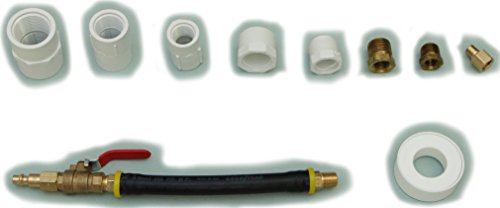
COMPLETE SPRINKLER WINTERIZATION KIT – Adapter set to winterize underground irrigation and sprinkler systems by air compressor blowout method, preventing costly freeze damage to pipes and sprinkler heads

Innovative Winterizing Plug – Designed specifically for pool closing, the Bungee-Plug makes blowouts simple, effective, and worry-free.

Heavy Duty RV and Camper Winterizing Blowout Plug Quick Connect Air Compressor Easy Grip Commercial Grade Quick Connect Brass Fitting to Winterize Boats Motorhomes Travel Trailers Garden Hoses
Preparing the Pool and Equipment
- Gather Tools and Safety Gear: Get an air compressor, blowout plugs, goggles, gloves, and ear protection. Ensure tools match your pool’s size and type.
- Turn Off the Pool Equipment: Shut down the pump, heater, and any other equipment connected to the pool lines. Make sure all systems are completely powered down.
- Remove Accessories: Take off any winter covers and remove any fixtures, like skimmer baskets and drain plugs, from the pool and equipment. This step minimizes debris and blockage during the process.
- Open Valves and Gates: Open all valves and gates to allow air to flow freely through the lines. This action enables an unobstructed path for the air, making blowout easier.
Executing the Blowout Process
- Connect the Air Compressor: Attach the air compressor to the designated pool line, using the blowout plug to ensure an airtight seal. This setup prevents air leaks during the blowout.
- Start the Air Compressor: Gradually increase the airflow. Monitor the pressure gauge to keep airflow within recommended limits, avoiding potential damage to the lines.
- Watch for Water: Once airflow begins, observe the pool lines. Water will start to push out of the returns and skimmers. Be patient; it might take a few moments to see results.
- Move Through the Lines: Sequentially blow out each line. Begin with the skimmer, then move to main drains and returns. Complete each line before switching to the next for maximum efficiency.
- Inspect All Lines: After blowing out each line, visually check for any residual water. Look in the skimmers and returns. If water visible, repeat the blowout process on that line.
- Use the Pressure Gauge: Ensure the pressure gauge reads normal after the blowout. Abnormal readings may indicate water still remains, necessitating additional blowout effort.
- Final Checks: Once satisfied, close all valves and gates. Secure any fittings or accessories removed during the preparation phase.
Properly executing these steps ensures your pool remains in great condition during colder months. Regular maintenance helps avoid costly repairs and prolongs your pool’s life.
Tips for Maintaining Pool Lines
Proper maintenance of pool lines keeps them functioning well and reduces the risk of damage. Follow these actionable tips to ensure your pool lines stay in top condition.
Recommended Products

High-Power & Efficient Winterization: The 3.0 HP pool air blower delivers a strong airflow to quickly clear water from pool lines
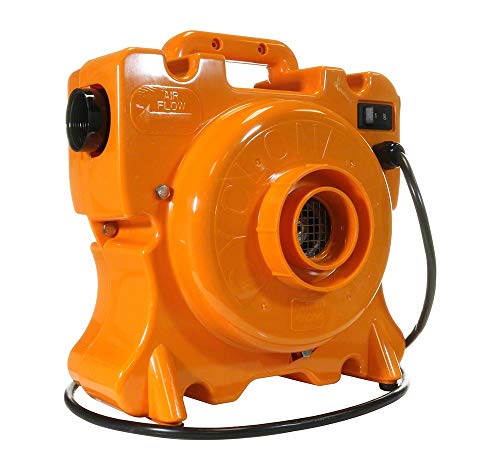
Features a 3 horsepower, 120 volt motor and includes a versatile hose adapter

1-Gallon Bottle of Premium Grade Anti-Freeze, -50 Degree Burst ProtectionNon-toxic propylene glycol anti-freeze protects your pool plumbing from freeze damage
Regular Maintenance Practices
- Inspect Lines: Check pool lines regularly for any leaks or damage. Look for areas where water may escape.
- Clear Debris: Remove leaves, dirt, and other debris around pool equipment. Keeping the area clean prevents clogs and potential issues.
- Test Water Chemistry: Monitor your pool’s water chemistry frequently. Balanced water reduces corrosion, which can harm pool lines.
- Run Pool Pumps: Operate your pool pump regularly. This circulates water and prevents stagnation that can lead to buildup in the lines.
- Winterization: Before winter, thoroughly blow out water from the lines to avoid freezing. Follow the step-by-step blowout process to ensure complete removal.
- Insulate Exposed Lines: Use insulation around any exposed pool lines. Proper insulation reduces the risk of freezing during cold months.
- Check Post-Winter: After winter, inspect all lines for any signs of damage or leaks. Early detection allows for timely repairs before the swimming season begins.
- Prepare for Rain: In rainy seasons, ensure proper drainage around pool equipment. This prevents water from pooling near lines, reducing pressure and potential leaks.
Conclusion
Taking the time to blow water out of your pool lines can save you from costly repairs down the road. By following the steps outlined and keeping up with regular maintenance you can ensure your pool remains in great shape year-round.
Remember to check for leaks and keep an eye on water chemistry to keep everything running smoothly. With a little effort you can enjoy your pool without the worry of winter damage or unexpected issues. Happy swimming!
Frequently Asked Questions
What is the importance of maintaining pool lines?
Maintaining pool lines is crucial to prevent freezing and damage during colder months. Proper maintenance helps extend the lifespan of your pool and ensures efficient operation when reopened.
How do I blow out water from pool lines?
To blow out water from pool lines, first, prepare your equipment, including an air compressor. Connect the compressor to the lines, then remove residual water by blowing air through the lines until they’re dry.
What should I do if I find leaks in my pool lines?
If you find leaks, address them promptly by sealing or repairing the affected areas. Regular inspections can help identify leaks early, preventing further damage and costly repairs.
How can I prevent water from freezing in pool lines?
To prevent freezing, blow out water from the lines before winter and insulate exposed lines. Checking and maintaining proper drainage during rainy seasons also helps reduce freezing risks.
What ongoing maintenance should I perform on my pool lines?
Ongoing maintenance includes inspecting for leaks, clearing debris, monitoring water chemistry, running pool pumps regularly, and ensuring proper drainage around the pool area.