Have you ever struggled to get in and out of your pool? A sturdy ladder can make all the difference, but finding the right one can be a hassle. Instead of settling for something that doesn’t fit your needs, why not build your own?
Key Takeaways
- Understand Pool Ladder Types: Familiarize yourself with various pool ladder types such as standard in-ground, above-ground, deck, safety, and retractable ladders to choose the right one for your needs.
- Prioritize Safety and Accessibility: A well-constructed pool ladder enhances safety and improves accessibility, reducing the risk of accidents when entering or exiting the pool.
- Select Quality Materials: Use durable and corrosion-resistant materials like aluminum, stainless steel, or treated wood to ensure the longevity and safety of your ladder.
- Follow a Step-by-Step Construction Guide: Plan meticulously and follow a structured approach for constructing your ladder, including proper measurements and secure assembly.
- Implement Safety Considerations: Address common risks such as slips and falls by incorporating non-slip materials and securing the ladder’s base effectively.
- Regular Maintenance and Inspections: Conduct routine checks for wear and damage to ensure your ladder remains safe and functional over time.
Understanding Pool Ladders
Pool ladders come in various designs and materials, each serving a specific purpose. Knowing the types available helps you make informed decisions when building your ladder.
Types of Pool Ladders
- Standard In-Ground Ladders
Standard in-ground ladders feature two or more steps and provide easy access to your pool. They’re typically made from stainless steel or aluminum for durability. - Above-Ground Ladders
Above-ground ladders are designed for pools that sit above ground level. They often include a platform and a gate to enhance safety. - Deck Ladders
Deck ladders attach directly to the pool deck and provide a seamless entrance. These ladders are ideal for pools with a raised deck. - Safety Ladders
Safety ladders come with features like handrails, wider steps, and anti-slip surfaces. They reduce the risk of slip and fall incidents. - Retractable Ladders
Retractable ladders fold away when not in use. These offer convenience and space-saving options in smaller yards.
Importance of a Good Ladder
A good ladder enhances safety and accessibility. A stable and sturdy ladder prevents accidents, ensuring users feel secure entering and exiting the pool. A well-designed ladder supports proper weight distribution, reducing the risk of structural failure.
Quality ladders also extend the lifespan of your pool by preventing wear on pool edges. Investing in a reliable design pays off, providing peace of mind and seamless enjoyment of your pool.
Materials Needed
Building your own pool ladder requires careful selection of materials and tools. The right choices ensure safety and durability for your swimming area.
Recommended Products

CREATE HEALTHY ENVIRONMENT: This clear non-skid adhesive tape is made out of environmentally friendly material with a soft texture surface to create traction and prevent slips. It is comfortable for bare feet. It has many great features for using to create a safe environment for your kids, seniors and dogs.

MADE FROM PET MATERIAL: Our General Anti-Slip Tapes are made from PET material, which is not only more environmentally safe than PVC but also offers superior durability and tensile strength. The higher tensile strength of PET allows our anti-slip tape to withstand heavy foot traffic and harsh environments, ensuring long-lasting performance. With its easy removal feature that leaves no residue or surface damage, LifeGrip General Anti-Slip Tapes are versatile and convenient for any application.

CREATE HEALTHY ENVIRONMENT: This clear non-skid adhesive tape is made out of environmentally friendly material with a soft texture surface to create traction and prevent slips. It is comfortable for bare feet. It has many great features for using to create a safe environment for your kids, seniors and dogs.
Essential Tools
- Drill: For creating holes and securing brackets.
- Screwdriver: Necessary for tightening screws.
- Saw: Used for cutting materials to size.
- Measuring Tape: Helps ensure accurate measurements for a perfect fit.
- Level: Ensures your ladder is straight and balanced.
- Safety Gear: Wear gloves and goggles during construction for protection.
- Aluminum: Lightweight and resistant to rust, making it a popular choice for pool ladders.
- Stainless Steel: Offers strength and durability with a sleek finish.
- Plastic: Affordable and resistant to corrosion, but less durable over time.
- Wood: Adds a classic look, but treat it with sealant to resist water damage.
- Non-slip Grip Tape: Enhances safety by preventing slips on the rungs.
Selecting these tools and materials carefully sets the foundation for a safe and reliable pool ladder that enhances your swimming experience.
Step-by-Step Guide
Building a pool ladder involves careful planning and precise execution. Follow these steps for a successful project.
Recommended Products
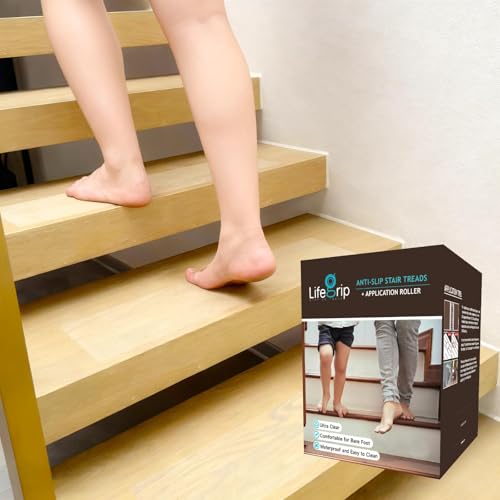
CREATE SAFER ENVRONMENT: This clear non-skid adhesive tape is made out of environmentally friendly material with a soft texture surface to create traction and prevent slips. It is comfortable for bare feet. It has many great features for using for your home stairs to create a safe environment for your kids, seniors and dogs.

Professional grade high traction- Our anti slip Traction tape Covered with heavy duty 80 grit aluminum oxide boosts foot traction and creates a perfect texture to prevent slipping.

ANTI-SLIP FALL PREVENTION: Our stair grips non slip outdoor utilize powerful adhesive technology and 80-grit aluminum oxide material, enhancing foot traction through intricate textures. These peel and stick stair treads outdoor deliver exceptional slip resistance, effectively protecting you and your family from stair falls while minimizing accident risks. Especially suitable for seniors, children, pregnant women, infants, animals, pets, dogs, puppies, and kittens
Planning and Measuring
- Choose Your Ladder Location: Select a spot near the pool edge for easy access.
- Measure the Pool Depth: Determine the total height for your ladder based on the pool’s depth.
- Draft a Design: Sketch a simple design. Include height, width, and number of rungs.
- Gather Materials: Decide on materials like aluminum for durability or wood for aesthetics. Ensure any wood is treated for water resistance.
- Check Local Regulations: Verify any building codes related to pool ladders in your area.
Constructing the Ladder
- Cut Materials: Use a saw to cut aluminum or wood to your specified dimensions: vertical posts and rungs.
- Create Rung Supports: Securely attach rungs to vertical posts, spaced about 12 inches apart for comfortable stepping.
- Drill Holes for Fasteners: Ensure proper alignment. Use the drill for uniform holes.
- Assemble the Ladder: Use screws or bolts to secure the rungs and posts together firmly. An adjustable wrench ensures tight connections.
- Add Grip Tape: Apply non-slip grip tape on each rung to enhance safety.
- Position the Ladder: Set the ladder at the edge of the pool, with posts extending downwards for stability.
- Secure the Base: Use anchors or brackets to attach the bottom of the ladder to the pool deck or the ground.
- Ensure Stability: Check for any wobbling. Adjust the installation if necessary for a firm fit.
- Test the Ladder: Carefully climb the ladder to ensure it’s sturdy and safe before regular use.
- Finalize Installation: Make any needed adjustments, and verify that all screws and fasteners are tight.
By following these steps, you can build a durable and safe pool ladder tailored to your swimming pool.
Safety Considerations
Building a pool ladder involves various safety considerations. Understanding common risks and implementing safety tips enhances both safety and durability.
Recommended Products

【Upgrade Version】The newly designed Aolabela swimming pool handrail cover will enhance your swimming experience. This pool handrail provides a softer, more comfortable grip, making getting in and out of the pool easier.

Pool Safety Partner: ODDMUCK Swimming Handrail Gloves have a non-slip and heat-resistant design on the exterior surface to avoid slipping and falling into the pool. The internal leather design can greatly enhance the friction, making it fixed and not easy to slide. It can protect and assist children, the elderly and the disabled to enter and exit the pool.

【Pool Safety Partner】The swimming handrail grip cover hugs pools ladder handle tightly. The increasing friction enhance the security of your pool area, and bring maximum protection to people when entering and leaving the pool, reduce and avoid the risk of slipping and falling into the pool
Common Risks
- Slips and Falls: Wet surfaces can lead to slips. Ensure that the ladder design includes non-slip materials and suitable grip features.
- Improper Construction: Weak joints or unstable bases can cause the ladder to collapse. Check that all connections are secure and components are durable.
- Sharp Edges: Raw edges on materials can cause cuts. Smooth all edges and corners to prevent injuries.
- Weight Limit: Overloading a ladder can lead to accidents. Clearly mark weight limits based on your materials and design.
- Select Quality Materials: Use corrosion-resistant materials like stainless steel or aluminum. These choices enhance strength and longevity.
- Install Grip Tape: Apply grip tape on the rungs and side rails. This addition increases friction and reduces slipping.
- Secure the Base: Use anchors or weighted bases. Properly securing your ladder prevents movement during use.
- Regular Inspections: Check the ladder for signs of wear or damage. Conduct inspections every few months to ensure ongoing safety.
- Follow Local Regulations: Review local building codes and safety regulations. Complying with these rules ensures safety and legality.
Conclusion
Building your own pool ladder can be a rewarding project that enhances your swimming experience. By following the steps outlined and prioritizing safety you’ll create a sturdy and reliable ladder that fits your pool perfectly. Remember to regularly check your ladder for any wear and tear to ensure it stays safe for everyone. With a little effort and attention to detail you can enjoy a well-built pool ladder that adds convenience and style to your pool area. Dive into your project and have fun with it!
Frequently Asked Questions
What are the main challenges in finding the right pool ladder?
Finding the right pool ladder can be challenging due to factors such as size compatibility, weight capacity, materials, and safety features. It’s important to consider the specific requirements of your pool, including its depth and shape, to ensure you choose a ladder that meets both safety and usability needs.
How can I build my own pool ladder?
Building your own pool ladder involves several steps: planning and measuring your space, selecting quality materials, checking local regulations, constructing the ladder, adding grip tape for safety, securing the base, and testing for stability. Following a detailed guide ensures a safe and functional design tailored to your pool.
What types of pool ladders are available?
There are various types of pool ladders, including A-frame, deck-mounted, and telescoping ladders. Each type serves different purposes and suits various pool designs. It’s essential to choose a ladder that offers stability and safety while fitting the dimensions of your pool for optimal use.
Why is safety important when using a pool ladder?
Safety is crucial when using a pool ladder because improper construction or design can lead to accidents such as slips and falls. A reliable pool ladder should have quality materials, good grip features, and proper installation to minimize risks and ensure safe access to and from the pool.
What materials should I use for building a pool ladder?
For a sturdy pool ladder, use durable materials like stainless steel or aluminum for the frame, and consider non-slip surfaces for the steps. Additionally, choosing weather-resistant materials helps ensure longevity and reduces wear and tear from exposure to water and sunlight.
How can I ensure my pool ladder is stable?
To ensure stability, securely fasten the ladder’s base to the pool deck, use high-quality materials, and regularly inspect it for any wear or damage. Testing the ladder’s stability after installation and before each use will help confirm that it is safe for accessing the pool.
What safety tips should I follow when building a pool ladder?
When building a pool ladder, follow safety tips such as using quality materials, installing grip tape, securing the base firmly, and adhering to local regulations. Conduct regular inspections to check for sharp edges or wear, ensuring that the ladder remains safe for users over time.