Are you tired of the harsh effects of chlorine on your skin and eyes? If you’re considering a switch to a saltwater pool, you’re not alone. Many pool owners are making the change for a more pleasant swimming experience and easier maintenance.
Table of Contents
- 1 Key Takeaways
- 2 Benefits Of Converting To A Salt Water Pool
- 3 Steps To Change Chlorine Pool To Salt Water Pool
- 4 Common Mistakes To Avoid
- 5 Conclusion
- 6 Frequently Asked Questions
- 6.1 What are the benefits of saltwater pools over traditional chlorine pools?
- 6.2 How do I convert a chlorine pool to a saltwater pool?
- 6.3 What mistakes should I avoid when converting to a saltwater pool?
- 6.4 How often should I test the water in a saltwater pool?
- 6.5 Do saltwater pools need less maintenance than chlorine pools?
Key Takeaways
- Benefits of Saltwater Pools: Enjoy lower operational costs, easier maintenance, and a more pleasant swimming experience compared to traditional chlorine pools.
- Cost Efficiency: Saltwater pools reduce chemical and repair costs over time, and may extend the life of pool equipment by reducing corrosion.
- Reduced Maintenance: Automatic chlorination and stable pH levels mean less manual intervention, while saltwater keeps water cleaner and clearer.
- Key Steps for Conversion: Assess your current system, choose the right salt chlorinator, drain the pool, and install the chlorinator according to manufacturer guidelines.
- Avoid Common Mistakes: Ensure accurate salt measurements and avoid skipping regular maintenance checks to maintain optimal water quality.
Benefits Of Converting To A Salt Water Pool
Converting to a saltwater pool offers various advantages over traditional chlorine pools. You can enjoy lower operational costs and easier maintenance while improving your swimming experience.
Recommended Products
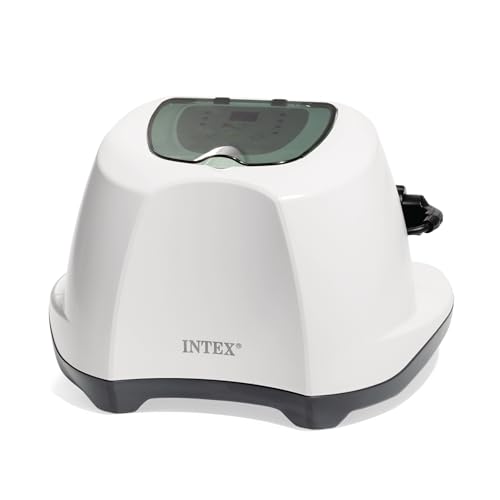
✔ UPGRADE TO A SALTWATER POOL – QS500 saltwater system lets you enjoy the same process used for in-ground swimming pools to keep your above ground pool sparkling clear, suitable for pools up to 7,000 gallons.

CONSISTENT CHLORINE SANITIZATION: The Hayward salt system delivers steady chlorine distribution for pools up to 40,000 gallons, helping maintain water clarity and support routine pool maintenance

Pool & Spa Salt: Formulated for pools and spas using chlorine generators and automatic chlorination systems, this fine grain salt supports consistent chlorine output and simplified saltwater care
Cost Efficiency
Saltwater pools often reduce expenses over time. The initial setup cost may be slightly higher due to the saltwater chlorination system, but long-term savings break down as follows:
- Lower Chemical Costs: You’ll buy fewer chemicals. Salt is cheaper than chlorine tablets.
- Fewer Repairs: Saltwater systems typically have fewer components to break. This translates into lower repair costs.
- Longevity of Equipment: Saltwater pools may increase the lifespan of pool equipment by reducing corrosion on hardware.
Reduced Maintenance
Maintaining a saltwater pool requires less effort than a chlorine pool. Here’s how:
- Automatic Chlorination: Saltwater systems generate chlorine automatically. This eliminates the need for you to add chlorine regularly.
- Stable pH Levels: Saltwater pools maintain balanced pH levels more consistently, leading to fewer adjustments over time.
- Cleaner Water: Saltwater provides a natural sanitizing effect that keeps water cleaner and clearer, reducing the frequency of shocking.
Switching to a saltwater pool streamlines your maintenance duties, making your pool easier to care for and more enjoyable to use.
Steps To Change Chlorine Pool To Salt Water Pool
Changing your chlorine pool to a saltwater pool involves several steps. Follow this guide for a smooth transition.
Recommended Products
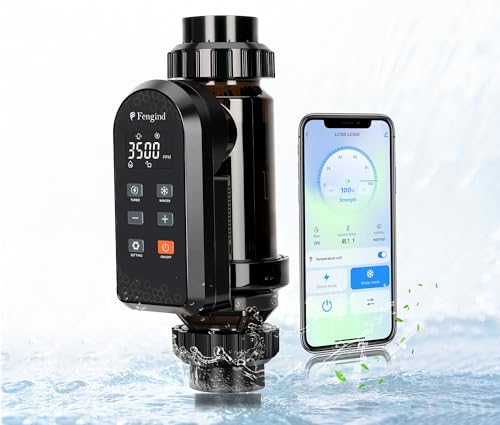
【Two Pipe Interface Options】: Our salt chlorine generator above ground pool offers two pipe connection options: 2 "Adapte (PVC pipe with an outer diameter of 60.3mm); 1.5"Adapte(PVC pipe with an outer diameter of 48.3mm)" . Please verify the pipe size before purchasing for a proper fit
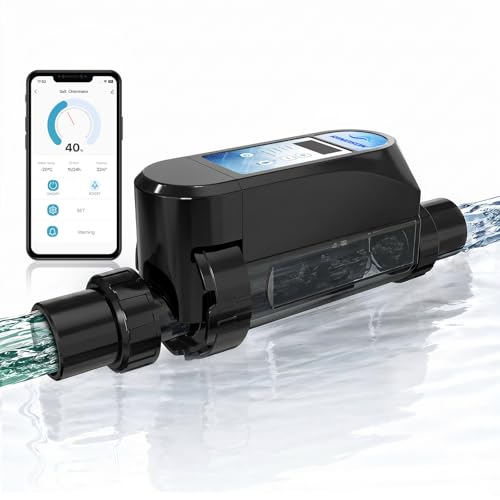
REMOTE CONTROL VIA APP: Smart saltwater chlorinator supports remote control via app (2.4GHz WiFi only). Operate the system anytime, anywhere—turn it on/off, adjust chlorine levels, or activate self-cleaning mode. Produces up to 0.7 oz of chlorine per hour (20g/h), ideal for pools up to 22,000 gallons, ensuring clean, safe water with less effort. Designed for reliable use with a built-in adapter supporting 100V–240V input.

✔ UPGRADE TO A SALTWATER POOL – QS1200 saltwater system lets you enjoy the same process used for in-ground swimming pools to keep your above ground pool sparkling clear, suitable for pools up to 15,000 gallons.
Assessing Your Current Pool System
Assess your pool’s current infrastructure. Inspect the pool pump, filter, and plumbing for compatibility with a saltwater system. Make sure all equipment, like heaters and filters, can handle saltwater. If your system has any old parts, upgrading them now can prevent future issues.
Choosing The Right Salt Chlorinator
Choose a suitable salt chlorinator for your pool size. Calculate your pool’s volume in gallons and pick a chlorinator that matches or exceeds your needs. Look for brands with good customer reviews and warranties. Popular options include Hayward, Zodiac, and Pentair.
Draining The Pool
Drain the pool to remove excess water. Use a submersible pump or the pool’s drainage system. Ensure you’re following local regulations regarding water disposal. Aim to lower the water level to at least halfway down the skimmer for easier work on the equipment.
Installing The Salt Chlorinator
Install the salt chlorinator following the manufacturer’s instructions. This usually involves placing the chlorinator after the pump and before the filter in the plumbing line. Secure all connections to prevent leaks and ensure proper functionality. If you’re unsure, consult a professional.
Balancing Pool Chemicals
Balance the pool water chemistry after installation. Add salt at a recommended concentration of 3000 to 3500 ppm (parts per million) based on your chlorinator specifications. Allow the salt to dissolve and circulate for 24 hours before checking pH, alkalinity, and chlorine levels. Adjust as necessary to achieve a balanced pool.
Common Mistakes To Avoid
Converting your chlorine pool to a saltwater pool can enhance your swimming experience. However, avoiding common mistakes makes the process smoother and more successful.
Recommended Products

Reliable Results In Seconds – Everything you need to test your saltwater pool or spa is conveniently packaged in the handy storage case, including a comparator to mix samples, and 15 easy-to-use reagents for 9 common water test parameters for FAS-DPD High Range testing: Free & Combined Chlorine, pH, Acid & Base Demand, Total Alkalinity, Calcium Hardness, Cyanuric Acid (CYA), and Chloride (Sodium Chloride).

Salt Pool Test Strips: Meet the most comprehensive test strips for saltwater system. Combine sodium chlorine(salt) and regular parameters in one strip. Easily test total hardness, free chlorine, bromine, total chlorine, cyanuric acid, total alkalinity, pH and salt level in just one dip.
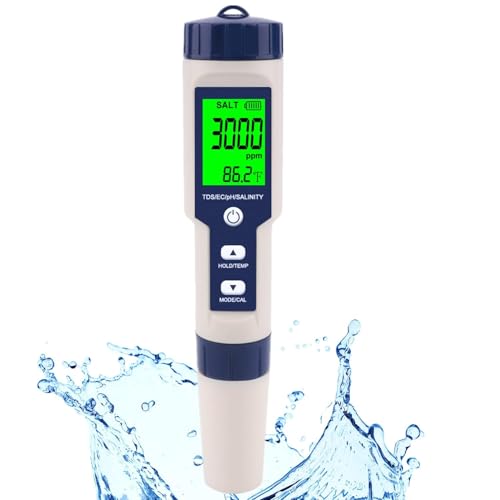
Wide Usage PH Meter : Hofun ph meter is an essential tool to improve your life quality. This digital ph tester can be applied in the following applications,drinking water quality test, swimming pools quality monitor, PH balance measurement in RO/DI system, aquarium, spa, hot tub or hydroponics.
Underestimating Salt Requirements
Underestimating how much salt your pool requires often leads to problems. Each pool has a specific volume, necessitating a precise amount of salt for proper chlorination. Use a pool calculator or consult your chlorinator’s manual for accurate measurements. For example, a pool with 20,000 gallons typically needs around 600 to 800 pounds of salt. Avoid adding too little, which can result in insufficient chlorine production, or too much, which can lead to corrosion or equipment damage.
Skipping Regular Maintenance
Skipping regular maintenance causes water quality issues in saltwater pools. While saltwater pools require less attention than traditional pools, they still need weekly checking for pH, salinity, and chlorine levels. Monitor the salt cell for buildup or debris, and clean it as needed. Additionally, ensure you maintain your pool’s filtration system, as good circulation is vital for preventing algae and keeping water clear. Performing these tasks helps maintain optimal water conditions, ensuring a safe and pleasant swimming environment.
Conclusion
Making the switch to a saltwater pool can truly transform your swimming experience. You’ll enjoy softer water that’s easier on your skin and eyes while also saving time and money on maintenance.
By following the steps outlined and keeping an eye on your water chemistry you’ll ensure a smooth transition and a sparkling pool. Remember to stay proactive with maintenance to keep everything running smoothly.
With a little effort you’ll be diving into your new saltwater oasis in no time. Happy swimming!
Frequently Asked Questions
What are the benefits of saltwater pools over traditional chlorine pools?
Saltwater pools offer gentler effects on the skin and eyes, reducing irritation. They require simpler maintenance and provide an overall enhanced swimming experience. Additionally, saltwater pools can be more cost-effective in the long run, as they reduce the need for pool chemicals.
How do I convert a chlorine pool to a saltwater pool?
To convert a chlorine pool to a saltwater pool, assess your current system, select an appropriate salt chlorinator, drain the pool, install the chlorinator properly, and balance the chemicals afterward. This process ensures a smooth transition and optimal pool performance.
What mistakes should I avoid when converting to a saltwater pool?
Common mistakes during the conversion include underestimating the required salt levels and neglecting regular maintenance tasks. Skipping vital checks can lead to poor water quality and increased issues, making it essential to monitor pH, salinity, and chlorine levels consistently.
How often should I test the water in a saltwater pool?
It’s recommended to test the water in a saltwater pool at least once a week. Regular testing of pH, salinity, and chlorine levels ensures a safe and enjoyable swimming environment, allowing for timely adjustments to maintain water quality.
Do saltwater pools need less maintenance than chlorine pools?
Yes, saltwater pools generally require less maintenance than traditional chlorine pools. The salt chlorinator produces chlorine automatically, reducing the frequency of manual chemical addition. However, regular cleaning and monitoring of water chemistry are still essential for optimal performance.