Are you tired of looking at a dirty pool? It’s frustrating when debris and dirt ruin your backyard oasis. Cleaning it might seem like a hassle, but with the right tools and techniques, you can make it a breeze.
Key Takeaways
- Understanding Pool Vacuums: Familiarize yourself with different types of pool vacuums (manual, suction, pressure, robotic) to select the best option for your pool type and size.
- Preparation for Cleaning: Always prepare your pool by ensuring safety, gathering necessary tools (vacuum, hoses, skimmer net, etc.), and testing water chemistry before starting the cleaning process.
- Step-by-Step Cleaning: Follow a structured approach: skim the surface for debris, vacuum the pool floor and walls methodically, and ensure you overlap strokes to cover all areas.
- Post-Cleaning Maintenance: Balance pool chemicals (pH, alkalinity, chlorine) after cleaning to maintain water quality and prevent issues, testing at least once a week.
- Establish a Cleaning Schedule: Implement a regular cleaning routine (daily skimming, weekly vacuuming, and filter maintenance) to keep your pool clean and enjoyable year-round.
- Routine Equipment Care: Inspect and maintain your vacuum regularly to ensure optimal performance and extend its lifespan.
Understanding Pool Vacuums
Pool vacuums simplify the process of keeping your pool clean. Selecting the right type and understanding their operation can enhance your cleaning routine.
Recommended Products

WALL-SCRUBBING POWER: Dolphin Nautilus CC Plus climbs walls efficiently, ensuring thorough cleaning on any pool surface, no matter the shape or surface type.
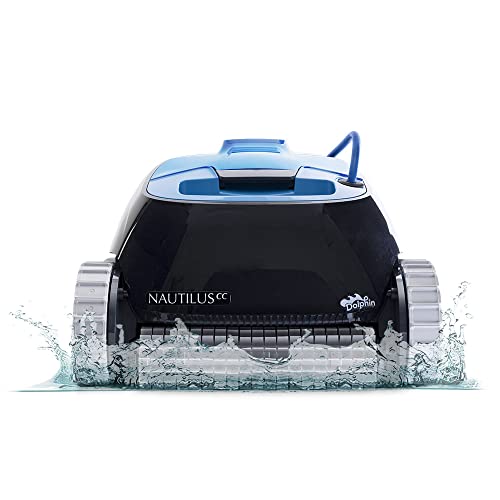
WALL-SCRUBBING POWER: Dolphin Nautilus CC climbs walls efficiently, ensuring thorough cleaning on any pool surface, no matter the shape or surface type.
![[2026 Release] Automatic Robotic Pool Vacuum for Inground & Above Ground Pools, Wall Climbing Pool Vacuum Cleaner, Cleans Floor, Walls, Waterline, Drain & Skimmer up to 2150 Sq. Ft., 190 Min](https://m.media-amazon.com/images/I/51KnclJKzVL._SL500_.jpg)
Powerful Cleaning Performance: With dual brushless motors running at 3200 RPM and 4800 GPH suction, this robotic pool cleaner is designed to tackle tough debris like leaves, sand, and scum. Whether for above-ground pools or inground pool cleaning, it ensures deep, reliable cleaning every time.
Types of Pool Vacuums
- Manual Pool Vacuum:
- Operated by hand, ideal for smaller pools.
- Involves connecting a hose to a skimmer or dedicated suction line.
- Suction Pool Vacuum:
- Attaches to your pool’s skimmer or suction line.
- Relies on the pool’s filtration system to create suction.
- Pressure Pool Vacuum:
- Connects to a dedicated pressure line.
- Uses water pressure to remove debris.
- Robotic Pool Vacuum:
- Automated cleaners that operate independently.
- Equipped with sensors to navigate and clean efficiently.
How Pool Vacuums Work
Pool vacuums operate by creating suction or pressure to remove dirt and debris.
- Manual Vacuuming: You control the vacuum. Move the head across the pool bottom and walls, ensuring thorough cleaning.
- Suction Vacuums: These draw water through the vacuum head and into the filtration system, collecting debris in a bag or filter.
- Pressure Vacuums: Water pushes debris into the vacuum head, preventing it from being sent to the filter.
- Robotic Vacuums: These have built-in motors and filters. You place them in the pool, and they navigate while collecting debris autonomously.
Understanding these components helps streamline your pool cleaning routine.
Preparing Your Pool for Cleaning
Preparing your pool for cleaning ensures a more efficient and thorough process. Follow these steps to get your pool ready for vacuuming.
Safety Precautions
Safety comes first. Always turn off the pool’s pump and vacuum system before starting. Wear appropriate footwear to avoid slips. Inspect the area for any sharp objects that could pose a risk. Also, keep children and pets away from the pool while cleaning.
Necessary Tools and Equipment
Gather essential tools and equipment before you start. You’ll need:
- Pool Vacuum: Choose a type based on your pool size and cleaning needs.
- Hoses: Make sure the vacuum hose is long enough to reach all areas of the pool.
- Skimmer Net: Use this for removing floating debris.
- Brush: Brush pool walls and floor to loosen dirt.
- Water Testing Kit: Check water chemistry before vacuuming to ensure optimal cleaning.
Gathering these items beforehand allows for a smooth cleaning session, making the task quicker and more effective.
Steps to Clean a Pool with Vacuum
Cleaning your pool effectively involves a few straightforward steps. Follow these instructions to ensure your pool stays sparkling clean.
Recommended Products
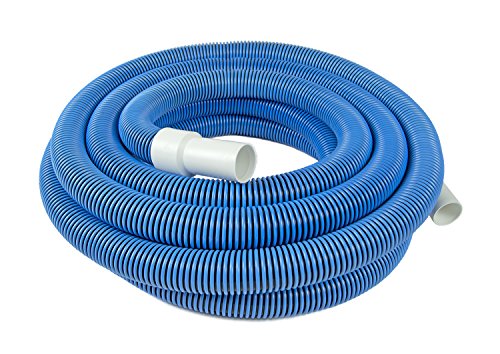
MANUAL POOL VACUUM HOSE: Designed for use with a manual vacuum head and telescopic pool pole, sold separately, NOT for automatic or robotic pool cleaners
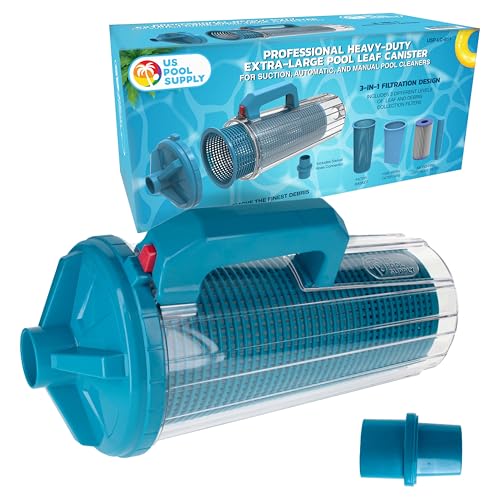
Upgraded Superior Canister Design: Professional heavy-duty extra-large pool leaf canister constructed from thick, UV-resistant, high-impact plastic. The body features reinforced alternating ridgelines that provide extra strength to withstand high suction pressure and harsh outdoor conditions, including chemicals and sunlight, without imploding, cracking, or fading.

Upgraded Superior Canister Design: Professional heavy-duty standard size pool leaf canister constructed from thick, UV-resistant, high-impact plastic. The body features reinforced alternating ridgelines that provide extra strength to withstand high suction pressure and harsh outdoor conditions, including chemicals and sunlight, without imploding, cracking, or fading.
Skimming the Surface
- Gather your tools. You’ll need a skimmer net and pole for this task.
- Extend the pole fully. Attach the skimmer net securely.
- Move the net across the pool’s surface. Focus on catching leaves and debris floating on top.
- Empty the skimmer net as needed. Keep your net free of debris for optimal performance.
Vacuuming the Pool Floor and Walls
- Assemble the vacuum. Check that the vacuum head and hose connect properly.
- Prime the vacuum. Submerge it in the water to remove air, ensuring effective suction.
- Begin at one end of the pool. Move the vacuum slowly across the floor, ensuring thorough coverage.
- Clean the walls next. Use the same vacuuming technique, moving methodically from the bottom to the top.
- Overlap strokes. Repeat the process to avoid missing any spots.
- Inspect the vacuum before each use. Look for any signs of wear or damage to the hose and head.
- Clean the filter regularly. A clogged filter affects suction power and performance.
- Store your vacuum properly. Keep it in a cool, dry place after use to prolong its lifespan.
- Perform regular maintenance. Check for loose connections and ensure all parts fit snugly.
By following these steps, you can maintain a clean and inviting pool for relaxation and enjoyment.
Post-Cleaning Maintenance
Post-cleaning maintenance is essential for keeping your pool in top shape. Following a cleaning session, address chemical levels and establish a routine.
Recommended Products
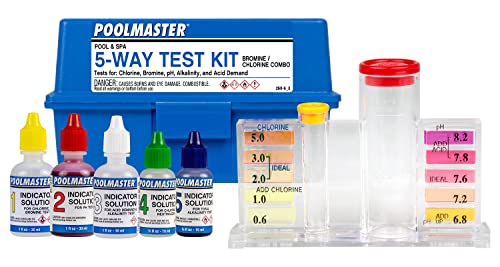
5-WAY WATER TESTING: Accurately tests chlorine, bromine, pH, acid demand, and total alkalinity to help maintain clean, balanced pool and spa water

3-Way Water Test Kit: Save both time and money with these convenient refill packs designed specifically for your 3-way test kit. Ensure you always have the supplies you need on hand for accurate and hassle-free water testing.
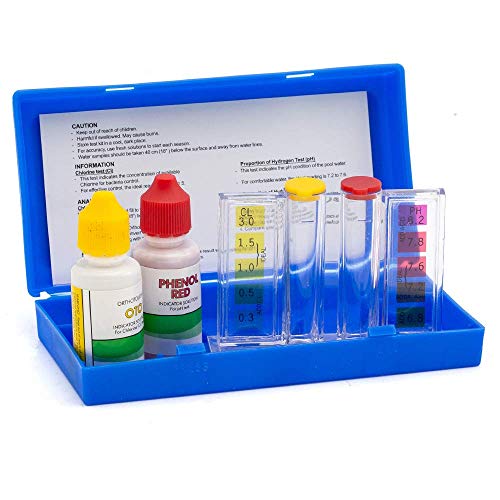
2 Way Pool Water Test Kit For Test For OTO, CL, and PH Level
Balancing Pool Chemicals
Balancing pool chemicals prevents water issues and ensures a safe swimming environment. Check pH, alkalinity, and chlorine levels.
- pH Levels: Aim for a pH range of 7.4 to 7.6. Lower pH can cause skin irritation, while higher pH can lead to cloudiness.
- Alkalinity: Maintain alkalinity between 80 to 120 ppm (parts per million). This stabilizes pH levels.
- Chlorine: A chlorine level of 1 to 3 ppm keeps your water sanitized. Too little allows bacteria to thrive while too much can cause irritation.
Test your pool water at least once a week and adjust chemicals as needed. Use a reliable test kit or strips for accurate readings.
Regular Cleaning Schedule
Establishing a regular cleaning schedule keeps your pool clean year-round. Aim for consistent maintenance, balancing both manual and automated processes.
- Skimming: Do this daily to remove leaves and debris.
- Vacuuming: Vacuum your pool once a week. Adjust frequency based on usage and surrounding foliage.
- Brushing: Brush pool walls and tiles weekly. This helps remove algae and buildup.
- Filter Maintenance: Clean filters every 4 to 6 weeks or as necessary. Proper filter operation keeps your pool water clear.
Create a checklist or calendar to track cleaning tasks. Regular maintenance not only keeps your pool looking good but also extends the lifespan of your equipment.
Conclusion
Cleaning your pool doesn’t have to be a daunting task. With the right vacuum and a little know-how you can keep your pool sparkling clean and ready for fun. Regular maintenance is key to enjoying a safe and inviting swimming environment.
By sticking to a schedule and balancing those essential chemicals you’ll not only enhance the beauty of your pool but also extend the life of your equipment. So grab your vacuum and dive into a cleaner pool experience. Happy swimming!
Frequently Asked Questions
What are the different types of pool vacuums?
Pool vacuums come in four types: manual, suction, pressure, and robotic. Manual vacuums require you to vacuum the pool yourself, while suction vacuums use the pool’s filtration system. Pressure vacuums operate independently and are efficient for debris removal. Robotic vacuums are automated and can navigate the pool autonomously, making them convenient for thorough cleaning.
Why is post-cleaning maintenance important?
Post-cleaning maintenance is crucial for maintaining a safe swimming environment. Balancing pool chemicals, such as pH, alkalinity, and chlorine levels, helps prevent algae growth and ensures water safety. Regular chemical testing and adjustments protect both swimmers and pool equipment, extending its longevity.
How often should I clean my pool?
It’s recommended to establish a regular cleaning schedule for your pool, ideally weekly. This should include skimming, vacuuming, brushing, and checking filtration systems. Consistent maintenance helps keep your pool clean year-round and enhances the overall swimming experience.
What tools are essential for pool maintenance?
Essential tools for maintaining a pool include a skimmer net for debris collection, a brush for scrubbing surfaces, a vacuum for cleaning the pool floor, and a water testing kit for checking chemical levels. Having these tools on hand simplifies your cleaning routine.
How does regular maintenance affect pool equipment?
Regular maintenance helps prolong the lifespan of your pool equipment. By routinely cleaning and balancing chemicals, you prevent issues like clogs, damage, and excessive wear on the filter and pump. This attention contributes to a more efficient and cost-effective swimming experience.