Are you tired of cloudy water and grimy surfaces in your saltwater pool? You’re not alone. Many pool owners struggle with keeping their salt pools clean and sparkling. But the good news is that maintaining a salt pool doesn’t have to be a hassle.
Key Takeaways
- Understanding Salt Pools: Salt pools utilize a salt chlorine generator, converting salt into chlorine for cleaner, smoother water while requiring less harsh chemicals than traditional pools.
- Benefits of Salt Pools: Advantages include lower chemical costs, softer water, reduced maintenance, stable pH levels, and a more environmentally friendly option compared to standard chlorine pools.
- Key Cleaning Steps: Regularly skim the surface, brush walls, and vacuum the pool to maintain clarity and hygiene, ensuring a welcoming swimming environment.
- Water Quality Maintenance: Test water chemistry weekly, monitor chlorine, pH, alkalinity, and calcium hardness levels, and adjust chemicals as needed for optimal health and cleanliness.
- Preventative Maintenance: Establish a consistent cleaning schedule and conduct regular equipment checks to prevent issues and enhance your pool’s performance year-round.
Understanding Salt Pools
Salt pools offer a unique and efficient way to enjoy a swimming experience. They convert salt into chlorine through a process called electrolysis, resulting in clean water that feels smooth on the skin.
Benefits of Salt Pools
- Lower Chemical Costs: Salt pools reduce reliance on traditional chlorine, lowering overall chemical expenses.
- Softer Water: Saltwater feels gentler and more pleasant, making your swim enjoyable without skin irritation.
- Less Maintenance: Salt systems self-generate chlorine, simplifying regular maintenance compared to chlorine pools.
- Stable pH Levels: Saltwater naturally stabilizes pH, minimizing drastic swings that can occur with traditional chlorine.
- Environmentally Friendly: Reduced use of chemical chlorine means less environmental harm, making salt pools a greener option.
- Saltwater is Salty: Many assume salt pools are like ocean water. In reality, the salt concentration is much lower, leading to minimal saltiness.
- Maintenance is Complex: While salt pools require some attention, they often need less frequent chemical balancing than traditional pools.
- Corrosion Issues: There’s a belief that saltwater damages pool equipment. With proper maintenance and quality materials, corrosion can be managed effectively.
- High Costs: Initial setup costs might be higher due to the salt chlorine generator. However, long-term savings on chemicals can offset these expenses.
- Tanning Concerns: Some think saltwater can fade swimsuits faster. However, with proper care, swimsuits remain vibrant for just as long as in chlorine pools.
Steps to Clean a Salt Pool
Cleaning a salt pool involves several key steps to maintain clarity and hygiene. Follow these steps to ensure your pool stays clean and inviting.
Recommended Products

Size: 17.5 x 11.8 x 1.2 inches (44.50 x 30.00 x 3.00 cm)
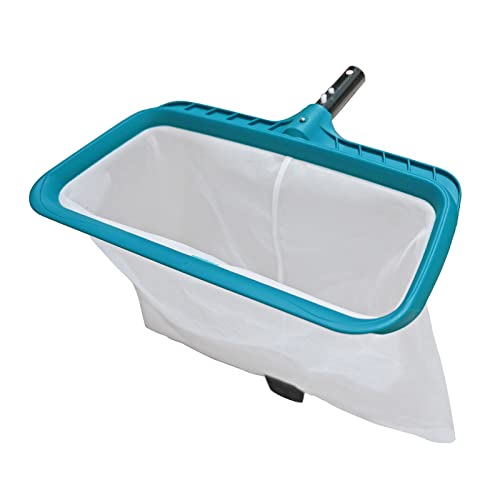
Large Capacity: 17" swimming pool leaf rake, 11" W, 14" deep net.The heavy duty lightweight plastic molded frame is safe for use in all types of pools and it won't mar pool liners

Enjoy a Clean Pool: An ideal daily use swimming pool leaf skimmer pool net for fast, easy, and efficient cleanup of leaves and debris from pools, spas, ponds, and kids pools. An excellent long-lasting net with a little bit of flex for easier maneuvering.
Skimming and Surface Cleaning
Skimming removes debris from the water’s surface. Use a pool skimmer net to scoop leaves, insects, and other floating objects daily. Empty the skimmer basket regularly to prevent clogging. For a thorough clean, consider using a surface cleaner or a specialized pool surface vacuum.
Brushing the Pool Walls
Brushing helps eliminate algae and dirt on the pool walls. Use a pool brush with stiff bristles suitable for your pool surface type. Brush walls and steps weekly, paying special attention to corners and areas with poor water circulation. This routine prevents algae build-up and keeps surfaces looking fresh.
Vacuuming the Pool
Vacuuming removes settled dirt and debris from the pool. Choose between a manual vacuum or an automatic robotic vacuum. For manual cleaning, attach the vacuum to the pool skimmer and sweep the floor methodically, overlapping sections for even coverage. Automatic vacuums can operate independently, saving time. Regular vacuuming, at least once a week, keeps the water clear and inviting.
Maintaining Water Quality
Maintaining water quality in a salt pool requires routine testing and careful adjustment of chemicals. Clear, balanced water enhances your swimming experience and minimizes plumbing issues.
Recommended Products

Salt Pool Test Strips: Meet the most comprehensive test strips for saltwater system. Combine sodium chlorine(salt) and regular parameters in one strip. Easily test total hardness, free chlorine, bromine, total chlorine, cyanuric acid, total alkalinity, pH and salt level in just one dip.

WHAT IS SALTWATER POOL : Saltwater pools are some pools which can create chlorine by adding salt in the pool water. Swimming in a saltwater may be better for someone who is uncomfortable to chlorine. However,it must be maintained regularly to keep clean.

Reliable Results In Seconds – Everything you need to test your saltwater pool or spa is conveniently packaged in the handy storage case, including a comparator to mix samples, and 15 easy-to-use reagents for 9 common water test parameters for FAS-DPD High Range testing: Free & Combined Chlorine, pH, Acid & Base Demand, Total Alkalinity, Calcium Hardness, Cyanuric Acid (CYA), and Chloride (Sodium Chloride).
Testing Water Chemistry
Test the water chemistry at least once a week. Use a reliable pool test kit or test strips to measure the following:
- Chlorine Levels: Aim for 2-4 ppm for optimal sanitation.
- pH Levels: Maintain pH between 7.2-7.8 for comfort and effective chlorine use.
- Alkalinity: Keep total alkalinity between 80-120 ppm to stabilize pH.
- Calcium Hardness: Maintain calcium hardness between 200-400 ppm to prevent corrosion or scaling.
Adjust any imbalances immediately, using the appropriate products to keep your water safe and clean.
Adding Necessary Chemicals
Adding chemicals as needed is essential for maintaining your pool. Follow these guidelines:
- Sodium Chloride (Salt): Check the salt level; it should be between 2500-3500 ppm. Add salt if levels drop below this range.
- pH Increaser or Decreaser: If pH is outside the ideal range, add a pH increaser or decreaser according to the manufacturer’s instructions.
- Alkalinity Increaser: If total alkalinity is low, apply an alkalinity increaser to stabilize your pH levels.
- Calcium Hardness Increaser: Add this if calcium hardness levels are below recommended values.
By testing regularly and adjusting chemicals promptly, you maintain a crystal-clear, healthy pool.
Preventative Maintenance
Maintaining your salt pool keeps it clean and inviting year-round. Regular tasks prevent issues and help you enjoy a healthier swimming environment.
Recommended Products

Enjoy a Clean Pool: An ideal daily-use swimming pool leaf skimmer pool net for fast, easy, and efficient cleanup of leaves and fine debris from pools, spas, ponds, and kids' pools. An excellent long-lasting net with a little bit of flex for easier maneuvering.

POOLWHALE takes the hassle out of cleaning your pool, leaving you more time to enjoy your summer with friends and family! The above pool skimmer allows for easy clean up of leaves, debris, and bugs.This beautiful Pool skimmer net can also be used to clean hot tub, Spa and Pool fountain, Pools for Kids and Adults. This Pool net for cleaning helps you keep your Swimming Pool neat and clean. Pool cleaning has never been so simple.

Handy Skimmer Net: Our pool skimmer net is compact and easy to handle making it the perfect tool for quick and efficient debris pick up. Whether you need to skim leaves, bugs, or other floating debris, this net is designed to get the job done swiftly
Regular Cleaning Schedule
Set a consistent cleaning schedule. Skim the surface daily to remove debris like leaves and bugs. Brush the walls and floor weekly to prevent algae buildup. Vacuum the pool at least once a week for a deeper clean. Stick to this routine, and your pool stays pristine and the water remains balanced.
Equipment Checks
Regularly check your pool equipment. Inspect the salt cell every three months for scaling or build-up. Clean it following the manufacturer’s guidelines to ensure efficiency. Examine the filtration system for any blockages or leaks monthly. Replace filters as needed, typically every six months. Properly functioning equipment maximizes your pool’s performance and clarity.
Conclusion
Keeping your salt pool clean doesn’t have to be a chore. With a little routine maintenance and attention to detail you can enjoy crystal-clear water all season long. Remember to stay on top of skimming brushing and vacuuming to prevent any buildup.
Regular equipment checks are key to ensuring everything runs smoothly. By following these simple steps you’ll not only extend the life of your pool but also create a welcoming environment for family and friends. Dive in and enjoy the benefits of a well-maintained saltwater pool!
Frequently Asked Questions
What are the benefits of saltwater pools?
Saltwater pools offer several benefits, including better water quality, reduced chemical use, and lower maintenance costs compared to traditional chlorine pools. They are also gentler on the skin and eyes, making swimming a more enjoyable experience. Additionally, saltwater systems can provide a more eco-friendly option for pool sanitization.
How often should I clean my saltwater pool?
You should clean your saltwater pool regularly to maintain its water quality. Daily skimming, weekly brushing, and regular vacuuming are essential tasks. Routine maintenance helps prevent algae growth and keeps the pool safe and inviting for swimmers.
How do I maintain my saltwater pool equipment?
Regularly inspect your saltwater pool equipment to ensure optimal performance. Check the salt cell for scaling and clean it according to the manufacturer’s guidelines. Additionally, monitor the filtration system for any blockages or leaks to maintain water clarity and efficiency.
Can I use regular pool chemicals in a saltwater pool?
It’s best to avoid using traditional chemicals in a saltwater pool, as they may disrupt the salt chlorination process. Instead, use products specifically designed for saltwater systems to maintain water balance and clarity without affecting the pool’s chemistry.
How do I prevent algae buildup in my saltwater pool?
To prevent algae buildup, maintain proper water balance, including pH and chlorine levels. Regular skimming, brushing, and vacuuming will help keep the pool clean. Additionally, use algaecides as needed, and ensure your filtration system is functioning correctly to optimize water circulation.