Are you tired of the harsh effects of chlorine on your skin and eyes? You’re not alone. Many pool owners are making the switch to saltwater systems for a gentler and more enjoyable swimming experience.
Key Takeaways
- Transition to a Gentler Experience: Switching from chlorine to saltwater pools reduces skin and eye irritation, providing a more comfortable swimming environment.
- Cost and Maintenance Benefits: Saltwater systems lower ongoing chemical costs and require less frequent maintenance compared to traditional chlorine pools.
- Initial Setup Considerations: The conversion process involves higher upfront costs for equipment such as salt chlorinators, but the long-term savings can outweigh this investment.
- Essential Steps for Conversion: Key steps include gathering necessary equipment, draining and cleaning the existing pool water, installing the saltwater system, and properly refilling the pool.
- Regular Maintenance Requirements: Monitoring salt levels, testing water chemistry, and cleaning the salt cell are crucial for maintaining optimal performance of a saltwater pool.
- Potential Risks to Consider: Be aware of corrosion risks to metal components and ensure the right equipment is used to avoid damage from saltwater.
Understanding Chlorine Pools
Chlorine pools are a common choice among pool owners for sanitizing water. They use chlorine, a chemical that effectively kills bacteria and prevents algae growth. However, understanding how these pools operate helps you decide whether converting to saltwater is right for you.
What Is a Chlorine Pool?
A chlorine pool relies on chlorine to maintain clean and safe swimming conditions. The system adds chlorine directly to the pool water, usually through tablets, liquid, or granules. This chemical reacts with contaminants, breaking them down and ensuring clean water. Regular testing of chlorine levels is necessary to maintain balance, typically between 1 and 3 parts per million (ppm). Chlorine pools also require stabilizers, such as cyanuric acid, to protect chlorine from degradation by sunlight.
Benefits and Drawbacks of Chlorine Pools
Benefits of Chlorine Pools:
- Cost-Effective: Initial setup and maintenance generally cost less than saltwater systems.
- Effective Sanitization: Chlorine quickly eliminates bacteria and algae.
- Widely Available Supplies: Pool chemicals and testing kits are easily accessible at local stores.
- Skin and Eye Irritation: Chlorine can cause discomfort, leading to dry skin and red eyes for some swimmers.
- Chemical Smell: Chlorine often produces a strong odor, which some find unpleasant.
- Frequent Maintenance: Regular monitoring of chemical levels and adjustments require time and effort.
Understanding these aspects builds a solid foundation for considering a switch to a saltwater system, which offers a gentler swimming experience.
Why Convert to Saltwater?
Converting to a saltwater pool presents several advantages along with some potential drawbacks. Understanding these can help you make an informed choice.
Recommended Products

✔ UPGRADE TO A SALTWATER POOL – QS500 saltwater system lets you enjoy the same process used for in-ground swimming pools to keep your above ground pool sparkling clear, suitable for pools up to 7,000 gallons.

✔ UPGRADE TO A SALTWATER POOL – QS400 saltwater system lets you enjoy the same process used for in-ground swimming pools to keep your above ground pool sparkling clear, suitable for pools up to 4,500 gallons.

Advantages of Saltwater Pools
- Softer Water: Saltwater pools provide a gentler swimming experience. The salt content reduces skin and eye irritation, making it more comfortable for you and your family.
- Lower Chemical Costs: Saltwater systems generate chlorine naturally, reducing the need for purchasing and storing traditional chlorine chemicals. This translates into lower ongoing maintenance costs.
- Easier Maintenance: Saltwater pools require less frequent monitoring and chemical balancing. The automated system keeps chlorine levels consistent, saving you time and effort.
- Cleaner Water: The chlorine generated from saltwater systems tends to produce fewer chloramines, which are responsible for strong chemical odors and can irritate the skin and eyes. This results in a more pleasant swimming environment.
- Higher Initial Cost: Converting to a saltwater system involves higher upfront costs for purchasing a saltwater chlorinator and potentially upgrading existing pool equipment.
- Corrosion Risks: Salt can lead to increased corrosion of metal components and pool fixtures. Regular inspections and maintenance may be necessary to prolong the lifespan of these elements.
- Salt Levels Management: Maintaining appropriate salt levels is essential for the system’s performance. If levels drop too low, it can affect the generator’s operation, leading to insufficient chlorination.
- Electronics Sensitivity: Saltwater can damage certain types of pool lights and heaters if they aren’t designed for saltwater use. Consider investing in salt-friendly equipment.
By weighing these advantages and potential disadvantages, you can determine if converting to a saltwater pool aligns with your needs and preferences.
The Conversion Process
Converting your chlorine pool to a saltwater system involves several important steps. Follow these actions for a successful transition.
Recommended Products
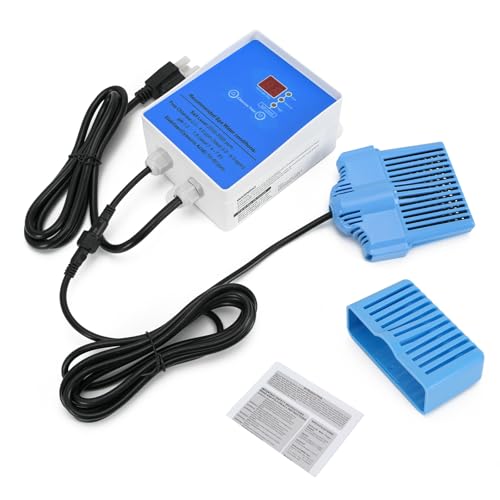
【Easy Installation】:Fits swim spas and hot tubs below 2000 gallons. Converts your hot tub to a saltwater system easily with no complicated installation process. Comes with an easy-to-follow instruction manual, great for beginners.

【Targeted Compatibility】 Precision-engineered as an exact replacement for legacy dual rectifiers in Hayward Goldline and AquaRite salt chlorine generators. Always confirm your system model and original part before ordering to ensure a perfect fit.
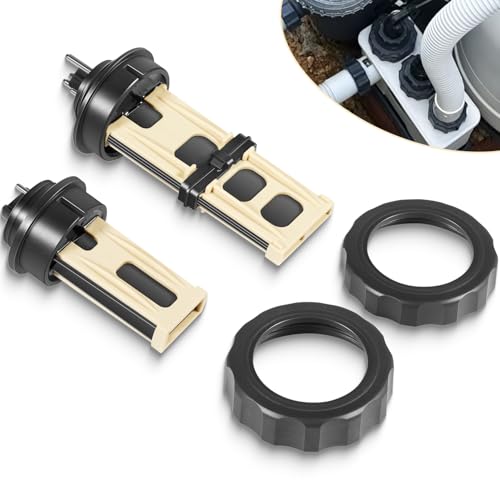
WIDE COMPATIBILITY: Includes 13043 Titanium Electrode and 12875 ECO Electrodes, replacements for Intex Krystal Clear Sand Pump & Saltwater Pool Chlorine Systems. Fully compatible with ECO20110-2, 26377EH, 26679EG models, ideal for above-ground pools and spas up to 15,000 gallons.
Step 1: Gather Necessary Equipment
You’ll need specific items to start the conversion. Common tools include:
- Salt Chlorinator: Select a unit suitable for your pool size.
- Salt: Purchase high-quality pool-grade salt.
- Water Testing Kit: Ensure it measures salt levels and other chemicals.
- Hoses and Buckets: Used for draining and refilling the pool.
Step 2: Drain the Pool Water
Draining most, if not all, of your pool water is crucial. Aim to remove at least 90% of the chlorine water. You can do this by:
- Using a Submersible Pump: This speeds up the draining process.
- Directing Water Away from Structures: Prevent flooding in surrounding areas.
Step 3: Rinse and Clean the Pool
After draining, rinse the pool to remove residual chemicals. Take these steps:
- Use a Pressure Washer: This efficiently cleans the walls and floor.
- Scrub Surfaces: Remove any algae or debris using a pool brush.
- Vacuum: Ensure the pool is free of any remaining dirt.
Step 4: Install the Saltwater System
Installing your saltwater chlorinator is next. Follow these steps:
- Read the Manufacturer’s Instructions: Ensure compatibility with your existing plumbing.
- Turn Off Power to Your Pump: Always prioritize safety.
- Connect the Chlorinator: Install it inline with your pool’s plumbing, following directions closely.
- Set Up Power Supply: Ensure it connects to a dedicated circuit.
Step 5: Refill the Pool
Refilling your pool with fresh water begins:
- Use a Hose to Fill the Pool: Tap water is adequate for this process.
- Add Salt to Water: Follow the manufacturer’s guidelines for the correct amount.
- Test Water Levels: Use your water testing kit to ensure salt and chemical levels are balanced.
Following these steps will help you convert your pool seamlessly, providing that softer swimming experience you seek with saltwater.
Maintenance Tips for Saltwater Pools
Maintaining a saltwater pool requires specific attention to keep the system functioning properly. Follow these simple tips for optimal performance.
Recommended Products
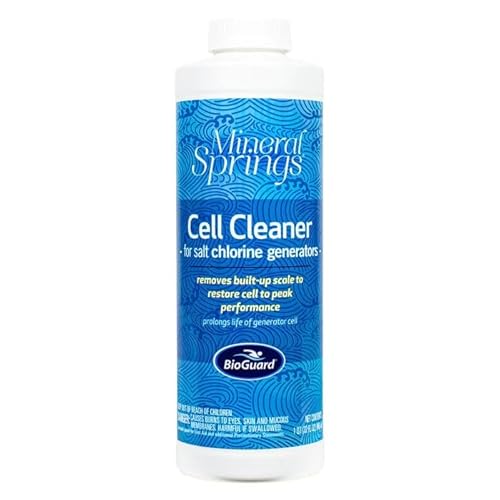
Highly Effective Formula: Mineral Springs Cell Cleaner is the solution to all your saltwater pool cell problems. With its strong and highly effective formula, this cleaner easily removes chalky white-calcium scale deposits that accumulate in the salt cell over time.
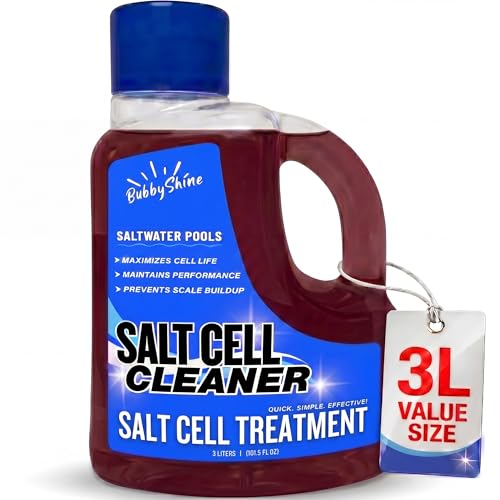
PRO-GRADE: Salt cell cleaning solution for saltwater pools that supports consistent performance and polished water quality.

Salt Generator Cleaner - AquaDoc's Salt Cell Cleaner helps reduce mineral and calcium buildup on salt cell plates. Designed to support ongoing performance and simplify maintenance for your saltwater system.
Regular Maintenance Routine
- Check Salt Levels: Monitor salt levels weekly. Ideal concentration is typically between 2,700 and 3,400 ppm. Use a salt test strip or meter for accuracy.
- Clean the Salt Cell: Inspect and clean the salt cell every 3 to 6 months. Use a mild acid solution to remove any buildup for efficient chlorine production.
- Test Water Chemistry: Test pH, alkalinity, and calcium hardness bi-weekly. Target a pH of 7.4 to 7.6, alkalinity between 80 and 120 ppm, and calcium hardness of 200 to 400 ppm.
- Adjust Water Levels: Keep water levels in check, typically halfway up the skimmer. This ensures proper skimming and filtration.
- Skim and Brush Regularly: Remove debris daily using a skimmer net. Brush walls and floors weekly to prevent algae growth.
- Low Chlorine Levels: If chlorine levels drop, increase salt concentration. Add bags of salt as needed and retest after 24 hours.
- Cloudy Water: Cloudiness indicates improper water balance. Test and adjust pH or alkalinity as necessary. Filter the water continuously until clarity returns.
- Algae Growth: If algae appears, shock the pool with a chlorine-based shock product. Maintain appropriate sanitizer levels and brush the affected areas.
- Salt Cell Malfunction: If the salt cell isn’t producing chlorine, check connections and clean the cell. Replace the cell if issues persist beyond cleaning.
- Corrosion of Pool Equipment: Inspect metal parts for signs of corrosion. Reduce salt levels if corrosion occurs, or consider using a corrosion inhibitor.
By following these tips and addressing issues promptly, you can enjoy your saltwater pool with minimal hassle.
Conclusion
Switching to a saltwater pool can transform your swimming experience for the better. You’ll enjoy softer water and reduced maintenance while saying goodbye to harsh chemicals.
By following the steps for conversion and sticking to a regular maintenance routine, you’ll keep your pool in top shape. Embrace the benefits of saltwater and dive into a more enjoyable and relaxing swimming environment.
Your new saltwater oasis awaits, so get ready to make a splash!
Frequently Asked Questions
What are the benefits of a saltwater pool compared to a chlorine pool?
Saltwater pools provide gentler water, reducing skin and eye irritation. They also have lower chemical costs and require less maintenance. Additionally, they produce cleaner water thanks to reduced chloramines, which can cause chemical smells and discomfort in traditional chlorine pools.
How do I convert my chlorine pool to a saltwater system?
To convert a chlorine pool to a saltwater system, first gather the necessary equipment. Then, drain the pool water, rinse and clean the surfaces. Next, install the saltwater system and refill the pool with fresh water before balancing the water chemistry.
How often should I maintain my saltwater pool?
Regular maintenance for saltwater pools should include checking salt levels every few weeks, cleaning the salt cell monthly, and testing water chemistry frequently. Additionally, you should skim and brush the pool often, adjusting water levels as necessary to keep the pool in optimal condition.
Are there any drawbacks to saltwater pools?
While saltwater pools have many benefits, they can require significant upfront investment for the saltwater system. They may also lead to corrosion of pool equipment and fixtures, and if not maintained properly, issues like cloudy water or algae growth can arise.
How can I address low chlorine levels in my saltwater pool?
To address low chlorine levels, first check the salt cell to ensure it’s functioning properly. You can also manually add liquid chlorine to boost levels. Additionally, ensure the salt concentration is adequate and adjust the output settings on your saltwater generator if needed.