Is your saltwater pool looking more like a swamp than a sparkling oasis? You’re not alone. Many pool owners face the challenge of keeping their water crystal clear, especially with the unique properties of saltwater systems.
Table of Contents
- 1 Key Takeaways
- 2 Why Clarity Is Important for Salt Water Pools
- 3 Common Causes of Cloudy Water
- 4 Steps to Achieve Clear Salt Water
- 5 Maintenance Tips for Long-Lasting Clarity
- 6 Conclusion
- 7 Frequently Asked Questions
- 7.1 How often should I test the water in my saltwater pool?
- 7.2 What causes cloudy water in saltwater pools?
- 7.3 How do I clean my saltwater pool effectively?
- 7.4 What are the ideal pH and alkalinity levels for saltwater pools?
- 7.5 How can I improve filtration in my saltwater pool?
- 7.6 What additional steps can I take for clear saltwater?
Key Takeaways
- Importance of Clarity: Clear water not only enhances the pool’s aesthetics but also promotes safety and early detection of potential issues.
- Common Causes of Cloudiness: Key factors leading to cloudy water include improper salt levels, filtration issues, and algae growth.
- Regular Water Testing: Test your saltwater pool chemistry at least once a week, focusing on pH, alkalinity, chlorine, and salt concentration.
- Correct Salt Levels: Maintain salt levels between 2700 and 3400 ppm for optimal chlorine production and prevent cloudiness.
- Consistent Cleaning: Establish a cleaning routine that includes skimming, brushing, and vacuuming to keep the pool clear and minimize strain on the filter.
- Chemical Balance: Regularly check and adjust chemical levels, aiming for a pH of 7.4 to 7.6 and alkalinity between 80 to 120 ppm to maintain water clarity.
Why Clarity Is Important for Salt Water Pools
Clarity in your saltwater pool affects both aesthetics and health. It enhances the overall look, making your pool inviting for swimming and relaxation. Clear water promotes enjoyment, while murky or cloudy water discourages use.
Clear water aids in early detection of issues. If your pool remains transparent, you can quickly spot debris, algae, or chemical imbalances. Catching these problems early prevents bigger, more costly issues down the line.
Clarity also ensures safety. You’ll notice potential hazards, such as toys or swim gear, much faster. A clear pool allows you to monitor swimmers and maintain a safe environment for everyone.
Additionally, clarity contributes to the longevity of your pool equipment. When water clarity is optimal, filters and pumps operate more efficiently. This reduces wear and tear, leading to fewer repairs and lower maintenance costs.
To maintain clarity, regularly test chemical levels, clean the pool surface, and operate the filtration system as recommended. A few simple steps keep your saltwater pool clear and enjoyable, ensuring a great swimming experience all season long.
Common Causes of Cloudy Water
Cloudy water in saltwater pools can arise from several factors. Identifying these causes helps in taking the right steps to restore clarity.
Recommended Products

Salt Pool Test Strips: Meet the most comprehensive test strips for saltwater system. Combine sodium chlorine(salt) and regular parameters in one strip. Easily test total hardness, free chlorine, bromine, total chlorine, cyanuric acid, total alkalinity, pH and salt level in just one dip.

√ Multifunctional 5-in-1 Tester: The T TESTRUST Pool Salt Tester is designed to accurately measure salt levels in pools, aquariums, and hot tubs. It can also test pH levels and overall water quality, providing a comprehensive analysis of your water conditions.

Premium Quality 8-in-1 Pool Test Strips– Crafted with premium Nordic fiber paper, our Salt Water Pool Testing Kit delivers more precise and reliable readings than standard strips. The high-quality filter paper prevents colors from bleeding between test pads, further improving accuracy and reliability, and ensures each result is clear, easy to read, and trustworthy for everyday pool and spa water testing.
Improper Salt Levels
Improper salt levels can lead to cloudy water. Ideally, the salt concentration should be between 2700 and 3400 ppm (parts per million). If levels are too low, the chlorine generator may struggle to produce enough chlorine, resulting in inadequate sanitation. Conversely, excessive salt can cause high chlorine levels, leading to cloudiness. Test your salt water regularly with a reliable test kit and adjust as needed.
Filtration Issues
Filtration issues contribute significantly to water clarity. Filters capture debris and particles, maintaining clear water. Check the filter’s pressure gauge; if it’s above the recommended range, clean or backwash the filter. Ensure the pump runs for at least 8-12 hours daily for optimal filtration. Additionally, check for clogs in the skimmer, pump basket, and returns, as any obstruction can impede water circulation.
Algae Growth
Algae growth can turn your clear pool water cloudy. Even minimal sunlight and organic debris can foster algae. Perform regular tests and maintain chlorine levels between 1-3 ppm to prevent growth. If algae become visible, shock the pool with chlorine or a specialized algaecide, following the manufacturer’s guidelines. Use a brush to scrub the walls and floor, and vacuum the pool to remove dead algae, enhancing water clarity.
Steps to Achieve Clear Salt Water
Achieving clear water in your saltwater pool requires consistent effort and attention to detail. Follow these steps to ensure optimal clarity.
Recommended Products
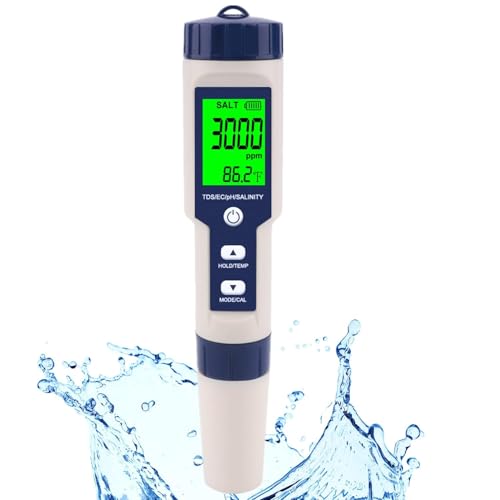
Wide Usage PH Meter : Hofun ph meter is an essential tool to improve your life quality. This digital ph tester can be applied in the following applications,drinking water quality test, swimming pools quality monitor, PH balance measurement in RO/DI system, aquarium, spa, hot tub or hydroponics.
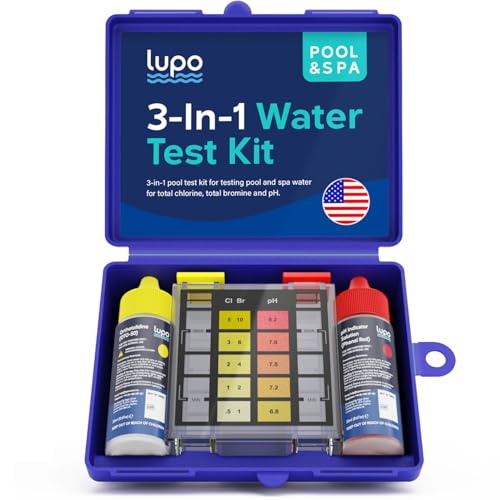
3-IN-1 POOL TESTING KIT: An easy-to-use, accurate pool test kit for testing three essential water quality parameters in residential pools and spas: Total Chlorine, Total Bromine, and pH. Includes enough reagents for 100 tests, helping keep your water safe, clean, balanced, and ready to use anytime.
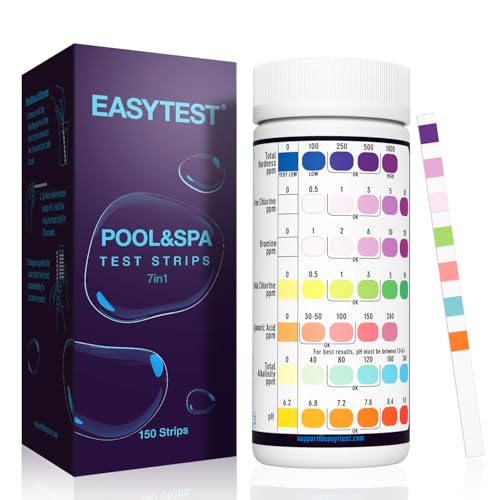
AFFORDABLE 150 STRIPS: This water chemical testing kit contains 150 test strips. Enough balanced for your swimming pool, hot tub, spa and other water testing. At least testing twice a week is recommended to keep your pool sparkling clean and safe.
Test Water Chemistry
Test your pool water chemistry at least once a week. Use a reliable testing kit or strips for accurate results. Check levels of pH, alkalinity, chlorine, and salt. Aim for a pH of 7.4 to 7.6, alkalinity between 80 to 120 ppm, and salt concentrations as recommended by your specific system. Address any imbalances immediately to prevent cloudiness.
Adjust Salt Levels
Maintain proper salt levels for optimal chlorine production. Inspect your salt cell regularly and clean it if needed to ensure efficiency. Add salt as necessary to keep your concentration within the recommended range. Always broadcast the salt evenly across the surface for best results. Wait 24 hours before retesting to confirm the adjustments took effect.
Clean the Filter
Ensure your pool filter operates effectively by cleaning it monthly. Remove debris from skimmer baskets and pump strainer. Backwash or rinse your filter according to manufacturer guidelines. A clean filter promotes better circulation and helps eliminate contaminants that cloud the water.
Shock the Pool
Shock your pool regularly, especially after heavy usage or rain. Use a suitable pool shock product to raise chlorine levels rapidly. Follow package directions for dosage based on your pool size. Distribute the shock around the perimeter of the pool in the evening. Allow the pool to filter overnight before retesting and swimming.
Maintenance Tips for Long-Lasting Clarity
Maintaining clarity in your saltwater pool involves consistent care and attention. Follow these tips for an optimal swimming environment.
Recommended Products

Reliable Results In Seconds – Everything you need to test your saltwater pool or spa is conveniently packaged in the handy storage case, including a comparator to mix samples, and 15 easy-to-use reagents for 9 common water test parameters for FAS-DPD High Range testing: Free & Combined Chlorine, pH, Acid & Base Demand, Total Alkalinity, Calcium Hardness, Cyanuric Acid (CYA), and Chloride (Sodium Chloride).

5-WAY WATER TESTING: Accurately tests chlorine, bromine, pH, acid demand, and total alkalinity to help maintain clean, balanced pool and spa water
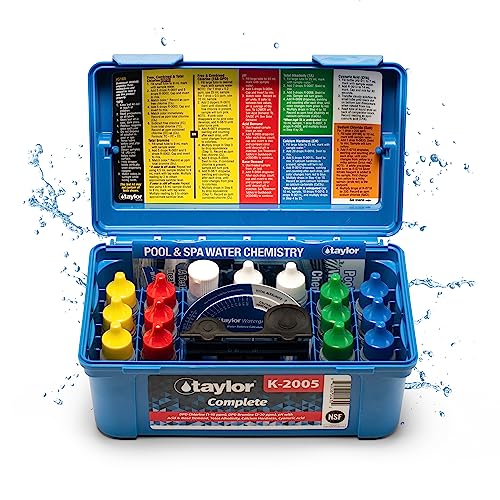
Reliable Results In Seconds – Everything you need to test your pool or spa is conveniently packaged in the handy storage case, including a comparator to mix samples, and 13 easy-to-use reagents for 9 common water test parameters for DPD testing: Free & Total Chlorine, Total Bromine, pH, Acid & Base Demand, Total Alkalinity, Calcium Hardness, and Cyanuric Acid (CYA)
Regular Cleaning Routines
Establish a cleaning routine to keep your pool clear. Skim the surface daily to remove debris, leaves, and other pollutants. Brush the walls and floor weekly to prevent algae buildup. Consider vacuuming weekly as well. This thorough cleaning helps maintain water hygiene and minimizes filter strain.
Monitoring Water Levels
Check your water levels regularly. Maintain optimal levels to avoid issues with circulation and clarity. Aim for a water level that sits halfway up your skimmer. If levels drop due to evaporation or splash-out, refill promptly. Maintaining proper levels ensures your filtration system operates efficiently.
Balancing Chemicals
Regularly test and balance your pool’s chemicals. Target a pH level between 7.2 and 7.8 for effective chlorine performance. Keep alkalinity between 80 and 120 ppm and calcium hardness at 200 to 400 ppm. Adjust these levels as needed to prevent cloudy water and maximize clarity. Use a reliable test kit to monitor these essential factors.
Conclusion
Getting your saltwater pool clear doesn’t have to be a daunting task. By staying on top of regular maintenance and monitoring your water chemistry you can enjoy sparkling clear water all season long.
Remember that a little effort goes a long way. Daily skimming and weekly brushing can make a big difference in keeping algae at bay.
With the right routine in place you’ll not only enhance the beauty of your pool but also create a healthier swimming environment for everyone. Dive in and enjoy your crystal-clear oasis!
Frequently Asked Questions
How often should I test the water in my saltwater pool?
Testing your saltwater pool water should be done at least once a week. This helps you monitor salt levels, pH, alkalinity, and calcium hardness, ensuring the water remains balanced and clear.
What causes cloudy water in saltwater pools?
Cloudy water can result from several factors, including improper salt levels, filtration issues, and algae growth. Regular maintenance and monitoring can help prevent these problems.
How do I clean my saltwater pool effectively?
To clean your saltwater pool, skim the surface daily, brush the walls and floor weekly, and vacuum regularly. This routine helps maintain water clarity and prevents algae growth.
What are the ideal pH and alkalinity levels for saltwater pools?
The ideal pH level for saltwater pools is between 7.4 and 7.6, while alkalinity should be between 100 and 150 ppm. Maintaining these levels ensures clear, balanced water.
How can I improve filtration in my saltwater pool?
To improve filtration, ensure your filter system is clean and working properly. Regularly backwash or clean the filter and run the pump for at least 8-12 hours a day to maintain clear water.
What additional steps can I take for clear saltwater?
Establishing a regular cleaning routine, monitoring water levels, and routinely balancing chemicals are key steps. Ensure your system is free from debris and that you promptly address any water quality issues.