Have you ever noticed your pool’s return lines bubbling or making strange noises? It can be frustrating when your pool isn’t running smoothly. Air trapped in those lines can lead to poor circulation and affect your pool’s overall performance.
Key Takeaways
- Air in Return Lines: Air trapped in pool return lines can lead to reduced water circulation, resulting in poor water quality and performance.
- Signs of Air Presence: Indicators of air in return lines include bubbling water, strange noises from the pump, reduced water flow from return jets, and cloudy water.
- Effective Solutions: To remove air, turn off the pump, use the air relief valve on the filter, and monitor water flow until it’s steady without bubbles.
- Preventive Measures: Regularly inspect seals, clear debris, maintain proper water levels, and schedule seasonal checks to minimize air intake in the return lines.
- Tools for Detection: Use a pressure gauge, soapy water, and an infrared thermometer to identify leaks and air intrusion locations effectively.
- Regular Maintenance: Ongoing maintenance can prevent air intrusion, ensuring efficient circulation and a clean, enjoyable swimming experience.
Understanding Pool Return Lines
Pool return lines play a vital role in maintaining proper water circulation. They help distribute clean, filtered water back into the pool, ensuring a balanced and inviting swimming environment.
Importance of Proper Water Circulation
Proper water circulation keeps your pool clean and safe. It prevents stagnation, where debris settles in one spot. Efficient circulation ensures that chemicals distribute evenly throughout the water, promoting clear and healthy water. You benefit from effective circulation by maintaining balanced pH levels and reducing algae growth.
Common Issues with Air in Return Lines
Air in return lines can cause bubbling or strange noises. This air intrusion often stems from a few common issues:
- Skimmer Problems: A damaged skimmer can introduce air into the system. Check for cracks or loose fittings.
- Low Water Levels: Water that’s too low can expose the skimmer and let air enter, leading to inefficient filtering.
- Pump Issues: A malfunctioning pump might not create enough suction, allowing air to seep in. Examine the pump for leaks or wear.
- Blocked Lines: Debris in the lines can restrict water flow, leading to air pockets.
Addressing these issues promptly helps maintain optimal pool performance.
Identifying Air in Pool Return Lines
Recognizing air in pool return lines helps maintain your pool’s efficiency. Look for specific signs and utilize proper tools for detection to address issues quickly.
Recommended Products


High Contrast Leak Detection: The pool leak detection dye kit delivers a high contrast dye that stands out in sunlight and against both light and dark surfaces. This superior pool dye formula holds together underwater, ensuring it is just as effective as traditional blue dyes for accurate leak detection. Perfect for swimming pool leak detector tasks, it highlights pool cracks, a skimmer basket leak, pool light niche leak, and other common issues effectively
Signs of Air Presence
- Bubbling Water: Noticeable bubbles in the pool water indicate air in the return lines.
- Strange Noises: Listen for gurgling or hissing sounds from the pump; this suggests air is trapped.
- Reduced Water Flow: Observe any drop in water flow from return jets. This can signal air blockage.
- Cloudy Water: If water appears cloudy, it may result from inefficient circulation caused by air in the lines.
- Pressure Gauge: Use a pressure gauge to measure the pressure in your system. Low readings often point to air intrusion.
- Soapy Water: Apply soapy water around connections and joints. Bubbles forming indicate leaks where air can enter.
- Pool Skimmer: Regularly check and clean the pool skimmer. A clogged skimmer can cause air pockets.
- Infrared Thermometer: This tool helps identify temperature changes at various points, which may reveal air issues in the return line.
With these signs and tools, you can efficiently identify air in your pool return lines and take action.
How to Get Air Out of Pool Return Lines
Removing air from pool return lines ensures smooth water flow and prevents issues like bubbling or noise. You can follow these methods to purge air effectively.
Recommended Products

【Good Fitment】1x 98209803 High Flow Manual Air Relief Valve Replacement, fit for Warrior, EasyClean Aboveground, EasyClean, FNS, FNS Plus, SMBW 2000 Series and 4000 Series, Clean and Clear (ccp100, ccp320, ccp420, ccp520), Quad DE 60, 80 and 100 and all Predator Filters. Also fit for Clean & Clear Above Ground, Clean & Clear Plus, Clean & Clear/Predator Pool and Spa Cartridge Filters.

Wide compatibility: High flow manual pressure relief valves are compatible with Warrior, FNS, FNS Plus, SMBW 2000 series and 4000 series, as well as various filters such as CCP100, CCP320, CCP420, CCP520, quad DE 60, 80 and 100, spa D.E and all predator filters

【High Flow Manual Relief Valve】High Flow Manual Relief Valve is compatible with Warrior, EasyClean Aboveground, EasyClean, FNS, FNS Plus, SMBW 2000 Series and 4000 Series and spa D. E. filters. Also fits for Clean and Clear (ccp100, ccp320, ccp420, ccp520), Quad DE 60, 80 and 100 and all Predator Filters for use with.
Step-by-Step Guide
- Turn Off the Pump: Switch off your pool pump to prevent additional air from getting into the system.
- Locate the Air Relief Valve: Find the air relief valve on your filter. This valve helps release trapped air when opened.
- Open the Air Relief Valve: Carefully turn the valve counterclockwise to release any trapped air. Be prepared for some water to escape as the air exits.
- Check Water Flow: After releasing air, observe the water flow at the return jets. Look for smooth, steady flow without bubbles.
- Close the Air Relief Valve: Once air is completely purged, turn the valve clockwise to close it securely.
- Restart the Pump: Turn the pump back on and monitor for any unusual sounds or bubbling. If these persist, repeat the process.
- Monitor Water Levels: Keep your pool filled to the correct level to minimize air intake through the skimmer.
- Inspect Skimmers and Pump Basket: Regularly check for debris in skimmers and the pump basket to prevent blockages.
- Consider a Vacuum: Using a pool vacuum while purging air may help draw out air bubbles, enhancing efficiency.
- Use Soapy Water: For suspected leaks, apply soapy water to connections and fittings. Observe for bubbles indicating air entry points.
- Purge Regularly: Schedule regular maintenance to check for air and other potential issues every few weeks during pool season.
Employing these methods keeps your pool return lines free of air, ensuring optimal circulation for a clean and enjoyable swimming experience.
Preventing Air from Entering Return Lines
Preventing air from entering your pool return lines ensures efficient circulation and reduces the need for frequent maintenance. Implementing consistent practices helps maintain the proper water flow and keeps your pool in optimal condition.
Recommended Products

NOTE: Please be aware this kit is for pumps manufactured 2/1/2008 and later only. Date may be located on your pumps plastic housing.
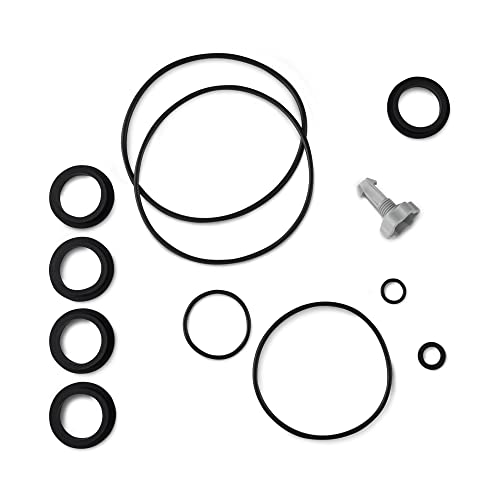
Replacement parts for a variety of Intex sand filter pumps

【Reference Part Numbers】C176-47P1, O-240, G-99RS, O-218, O-49, 17351-0009, 15211-0007. Please Confirm your Part Number, Pump Series and Seal Kit Fitment Before Purchasing
Regular Maintenance Practices
- Inspect Seals and Gaskets: Regularly check the seals around your skimmer and pump. Worn or damaged gaskets can allow air to sneak in, disrupting your water flow.
- Clear Debris: Remove leaves, dirt, and debris from skimmers, pump baskets, and filters regularly. Blockages can create negative pressure, leading to air leaks.
- Monitor Water Levels: Keep your pool water at the appropriate level. Low water levels can expose skimmers, allowing air to enter the system.
- Schedule Seasonal Checks: Routine checks in spring and fall help identify any issues early. An annual professional inspection can address potential problems you might miss.
- Examine the Pump: Check your pump for any signs of wear or leaks. Addressing any leaks promptly can prevent air from entering.
- Assess Valves: Ensure that all valves are functioning correctly. Faulty valves can create air pockets within the plumbing system.
- Test Pressure: Use a pressure gauge to monitor the system’s pressure. If the pressure drops unexpectedly, air could be causing issues in your return lines.
- Inspect Hoses and Fittings: Look for cracks or loose connections in hoses and fittings. Tightening or replacing them can prevent air intrusion.
By following these simple practices and checking your equipment regularly, you can effectively minimize air from entering your pool’s return lines, ensuring smoother operation and a cleaner swimming experience.
Conclusion
Keeping your pool return lines free of air is key to enjoying a clean and inviting swimming experience. By staying proactive with maintenance and regularly checking for any signs of air intrusion you can ensure your pool runs smoothly.
Taking the time to inspect seals and monitor water levels can save you from bigger issues down the line. Remember that a little attention now can lead to a lot of enjoyment later. So dive into those maintenance habits and keep your pool in top shape. Happy swimming!
Frequently Asked Questions
What are pool return lines and why are they important?
Pool return lines are pipes that carry water from the pool pump back into the pool. They are crucial for maintaining water circulation and cleanliness, helping to evenly distribute chemicals and keep the pool water clear.
How can I tell if there is air in my pool return lines?
You can detect air in your return lines by using a pressure gauge to measure system pressure or applying soapy water around fittings and joints. Bubbles forming indicate air leaks, which can disrupt circulation.
What is the process for removing air from pool return lines?
To remove air, first, turn off the pump. Then, locate and open the air relief valve on the filter. Once air escapes and water flows, close the valve and restart the pump. This usually resolves air issues.
How can I prevent air from entering my pool return lines?
Prevent air intrusion by regularly maintaining your pool system. Check and inspect seals, clear any debris, monitor water levels, and examine hoses and fittings for leaks. Routine checks can minimize air leaks.
What maintenance practices should I follow to ensure efficient pool operation?
To ensure efficient operation, inspect seals and fittings regularly, clear debris from skimmers and returns, maintain proper water levels, check the pump and valves, test pressure, and schedule consistent professional inspections.