Are you tired of cloudy water and itchy skin after a swim? It might be time to boost the chlorine levels in your pool. Maintaining the right chlorine balance is essential for keeping your pool clean and safe for everyone.
Imagine planning a pool party only to discover that your water isn’t sparkling and inviting. This article will guide you through simple steps to effectively raise the chlorine levels, ensuring your pool is always ready for fun. With a few easy adjustments, you can enjoy crystal-clear water and a worry-free swimming experience.
Table of Contents
- 1 Key Takeaways
- 2 Understanding Chlorine Levels in Pools
- 3 Methods to Increase Chlorine Levels
- 4 Tips for Maintaining Chlorine Levels
- 5 Common Mistakes to Avoid
- 6 Conclusion
- 7 Frequently Asked Questions
- 7.1 What is the ideal chlorine level for residential pools?
- 7.2 How does chlorine keep pool water clean?
- 7.3 How can I increase chlorine levels in my pool?
- 7.4 Why is regular water testing important?
- 7.5 What should I do if chlorine levels are too high?
- 7.6 How often should I test my pool water?
- 7.7 What is the importance of pH levels in pool maintenance?
- 7.8 What are common mistakes in chlorine use?
- 7.9 How can I ensure proper filtration and circulation in my pool?
Key Takeaways
- Chlorine’s Role: Chlorine is essential for pool maintenance, effectively disinfecting water and preventing harmful bacteria, viruses, and algae from thriving.
- Ideal Chlorine Levels: Maintain chlorine levels between 1 to 3 ppm for residential pools, with slightly higher levels for outdoor and saltwater pools.
- Methods to Raise Chlorine: Use liquid chlorine for quick boosts, chlorine tablets for slow-release options, and shock treatments to disinfect after heavy usage or rainfall.
- Regular Testing: Test pool water at least twice a week, ensuring proper chlorine and pH levels to maintain a safe swimming environment.
- Balance Other Chemicals: Keep pH levels between 7.2 and 7.8, as high pH can reduce chlorine effectiveness; monitor alkalinity and calcium hardness as well.
- Avoid Common Mistakes: Do not overuse chlorine products or ignore pH levels, as these can lead to imbalances and inefficiencies in pool sanitation.
Understanding Chlorine Levels in Pools
Chlorine is essential for maintaining clean and safe pool water. It plays a crucial role in disinfecting the water, preventing harmful bacteria, and creating a pleasant swimming environment.
Recommended Products
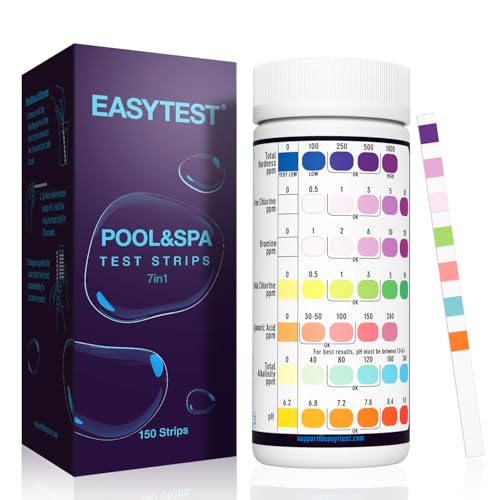
AFFORDABLE 150 STRIPS: This water chemical testing kit contains 150 test strips. Enough balanced for your swimming pool, hot tub, spa and other water testing. At least testing twice a week is recommended to keep your pool sparkling clean and safe.
Test Like an Expert: Maintain perfectly balanced pool water with 6-Way Multi-Use Test Strips and the complimentary Clorox Pool app. The app gives do-it-yourself pool owners the tools to proudly and confidently maintain a swim-ready pool all season long.
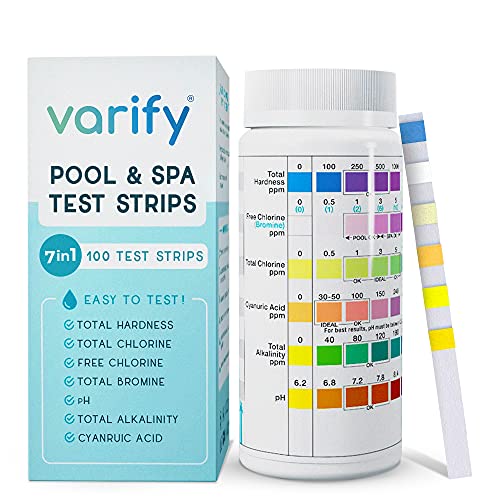
7 IN 1 TEST STRIPS: Simplify your pool and spa maintenance with Varify’s versatile test strips, capable of monitoring seven essential water quality parameters: Total Chlorine, Free Chlorine, Bromine, Total Hardness, Total Alkalinity, pH, and Cyanuric Acid. This all-inclusive kit ensures your swimming pool or spa water remains pristine and safe for use.
Importance of Chlorine in Pool Maintenance
Chlorine actively eliminates contaminants in your pool, like bacteria, viruses, and algae. Without adequate chlorine, your pool can become a breeding ground for these harmful substances, leading to health concerns. High-quality water enhances the swimmer experience, ensuring clear visibility and eliminating odors. Regularly maintaining chlorine levels helps avoid cloudy water and skin irritation, making your pool inviting for family and friends.
Ideal Chlorine Levels for Residential Pools
For residential pools, the ideal chlorine level ranges from 1 to 3 parts per million (ppm). Keeping your chlorine within this range effectively controls bacteria and viruses. Here’s a quick reference for different types of pools:
| Pool Type | Ideal Chlorine Level (ppm) |
|---|---|
| Indoor Pools | 1 to 3 |
| Outdoor Pools | 2 to 4 |
| Saltwater Pools | 2 to 4 |
Monitoring chlorine levels regularly ensures your pool remains safe and enjoyable. Use pool testing kits or test strips to check the levels at least once a week. Adjustments can be made based on usage and weather conditions.
Methods to Increase Chlorine Levels
You can effectively increase chlorine levels in your pool using several methods. Here are some common approaches to help you maintain optimal sanitation.
Recommended Products

Shockingly Quick Sanitation: Enjoy crystal-clear, swim-ready water faster with Champion Pool Shock’s powerful and potent 12.5 percent sodium hypochlorite formula, providing rapid sanitation for your pool.

Effective Sanitization: Champion Liquid Chlorine provides powerful sanitization, effectively eliminating harmful bacteria, algae, and other contaminants from pool water, ensuring a safe and hygienic swimming environment.

BENEFIT: Shock treat, sanitize, clarify, and help prevent bacteria and algae in your swimming pool water, all with this convenient, easy-to-use product
Adding Liquid Chlorine
Adding liquid chlorine boosts chlorine levels quickly. Follow these steps:
- Test the chlorine level using a pool testing kit.
- Calculate the amount of liquid chlorine needed based on your pool size and current chlorine level.
- Pour the liquid chlorine directly into the pool, near the return jets for even distribution.
- Wait at least 30 minutes before swimming to allow the chlorine to mix throughout the water.
Liquid chlorine typically has a concentration of 10 to 12.5%. This method provides an immediate increase in chlorine levels.
Using Chlorine Tablets
Chlorine tablets offer a convenient, slow-release option to maintain chlorine levels. Here’s how to use them:
- Place the tablets in a floating dispenser, skimmer basket, or automatic chlorinator.
- Ensure compatibility with your pool’s system.
- Check the chlorine levels frequently, adjusting the number of tablets as needed.
Chlorine tablets usually contain 90% or more trichloroisocyanuric acid (TCCA), making them effective for prolonged chlorine release.
Shock Treatments
Shock treatments disinfect the pool by delivering a large dose of chlorine in a short time. To perform a shock treatment:
- Check the current chlorine levels. Shock when levels drop below 1 ppm.
- Choose a shock product, such as calcium hypochlorite or sodium dichlor.
- Dilute the shock product as per the manufacturer’s instructions.
- Apply the mixed solution around the pool perimeter.
- Wait 24 hours before swimming or retesting the water.
Regular shocking, especially after heavy usage or rain, keeps the pool clean and clear.
By using these methods, you can effectively increase the chlorine levels in your pool, ensuring a safe and enjoyable swimming environment.
Tips for Maintaining Chlorine Levels
Maintaining stable chlorine levels is vital for pool hygiene and safety. Follow these tips to ensure optimal chlorine levels in your swimming pool.
Recommended Products
7-IN-1 TEST STRIPS: Tests the most critical parameters: pH, Total Chlorine, Free Chlorine, Bromine, Alkalinity, Total Hardness, & Cyanuric Acid

AFFORDABLE 7-IN-1 POOL TESTING KIT: Our 100 pool test strips provides an affordable, all in one pool water testing kit for various chemicals including Free Chlorine, Alkalinity, pH levels and more!

Fresh, Accurate Pool Test Strips - AquaChek Yellow Chlorine 4-in-1 includes 50 precision test strips—perfect for a full season of reliable water testing for pools and spas that use chlorine. No expired extras, no bulky packs—just fresh, accurate results from AquaChek, the most trusted brand in pool and spa water testing.
Regular Testing of Water
Test your pool water at least twice a week during peak swimming season. Use a reliable pool testing kit or test strips to check chlorine concentrations, pH, and other chemical levels. Adjustments can be made promptly, preventing chlorine fluctuations. If levels fall below 1 ppm, act immediately to restore balance.
Balancing Other Chemicals
Balancing other chemicals in your pool supports chlorine effectiveness. Keep your pH between 7.2 and 7.8 for optimal chlorine performance. High pH levels reduce chlorine’s disinfecting ability. If necessary, use pH increasers or decreasers to maintain balance. Regularly monitor alkalinity and calcium hardness levels. Imbalanced water could lead to corrosion or scaling, affecting chlorine efficiency.
Proper Filtration and Circulation
Ensure your pool’s filtration and circulation systems function correctly. Run the filter for at least 8-12 hours daily, especially during hot weather. Regularly clean or replace filter cartridges to maintain effectiveness. Good circulation guarantees chemicals, including chlorine, distribute evenly throughout the pool. If any areas of your pool have stagnant water, chlorine won’t work effectively, leading to unsafe conditions.
Common Mistakes to Avoid
Maintaining proper chlorine levels can be tricky. Avoid these common mistakes to ensure effective chlorine management in your pool.
Overusing Chlorine Products
Overusing chlorine products can lead to harmful imbalances. Adding too much chlorine at once can cause irritation for swimmers and inefficiency in sanitization. Aim for gradual adjustments and wait for a few hours before retesting the water. Stick to the recommended dosage based on your pool size and the type of product used. This strategy helps maintain stability and effectiveness.
Ignoring pH Levels
Ignoring pH levels can undermine chlorine’s effectiveness. Chlorine functions best within a pH range of 7.2 to 7.8. When pH levels drift outside this range, chlorine becomes less effective, requiring even more product to achieve desired sanitation. Regularly test the water to keep pH balanced, adjusting it with acids or bases as needed. This maintenance habit enhances your pool’s cleanliness and overall health.
Conclusion
Getting the chlorine levels right in your pool is key to keeping it clean and safe for everyone. By regularly testing your water and using the right methods to boost chlorine when needed, you can ensure a pleasant swimming experience. Remember to balance other chemicals and maintain your filtration system to support chlorine effectiveness.
With a little attention and care your pool can be a sparkling oasis all season long. So dive in and enjoy the benefits of a well-maintained pool!
Frequently Asked Questions
What is the ideal chlorine level for residential pools?
The ideal chlorine level for residential pools ranges from 1 to 3 parts per million (ppm). Maintaining these levels helps ensure safe and clean swimming conditions for all users.
How does chlorine keep pool water clean?
Chlorine disinfects pool water by killing harmful bacteria and viruses. It also breaks down organic materials, preventing the growth of algae and other contaminants, which enhances the overall swimming experience.
How can I increase chlorine levels in my pool?
You can increase chlorine levels by adding liquid chlorine, using chlorine tablets, or performing shock treatments. These methods help ensure your pool water remains clean and safe for swimming.
Why is regular water testing important?
Regular water testing is crucial for maintaining proper chemical balance, including chlorine levels. It helps identify imbalances and allows for timely adjustments, ensuring a safe swimming environment.
What should I do if chlorine levels are too high?
If chlorine levels are too high, avoid swimming until they drop to a safe range. You can partially drain the pool or add sunlight and water to help reduce levels naturally.
How often should I test my pool water?
It’s recommended to test your pool water at least once a week. More frequent testing may be necessary during busy swimming seasons or after heavy rainfall to ensure proper chemical balance.
What is the importance of pH levels in pool maintenance?
Maintaining pH levels between 7.2 and 7.8 is important for maximizing chlorine effectiveness. Proper pH ensures that chlorine works efficiently in sanitizing the water and keeps swimmers safe from irritations.
What are common mistakes in chlorine use?
Common mistakes include overusing chlorine products or not balancing other chemicals, leading to imbalances and inefficiency. It’s important to follow recommended guidelines to maintain a healthy pool environment.
How can I ensure proper filtration and circulation in my pool?
Ensure your pool pump and filter are functioning regularly. Run the pump for at least 8-12 hours a day and clean or backwash the filter as needed to maintain good water circulation and filtration.