Do you worry about keeping your loved ones safe around your pool? You’re not alone. Many homeowners face the challenge of ensuring their pool area is secure, especially if kids or pets are around. A pool safety fence can be a simple yet effective solution to prevent accidents and give you peace of mind.
Key Takeaways
- Importance of Pool Safety Fences: Installing a safety fence significantly reduces the risk of drowning, protecting children and pets from potential dangers around the pool.
- Types of Fences: Choose from various types, including mesh, aluminum, glass, wood, and vinyl, each offering unique features and benefits for safety and aesthetics.
- Installation Preparation: Gather essential tools and choose the right location for your fence, considering factors like proximity to the pool, visibility for supervision, and ground conditions.
- Step-by-Step Installation: Follow a clear installation process, including marking the area, digging post holes, securing posts with concrete, adding fence panels, and ensuring functional gates.
- Regular Maintenance: Conduct biannual inspections and address any repairs promptly to maintain the effectiveness and longevity of your pool safety fence.
- Compliance and Regulations: Always adhere to local regulations regarding pool safety fences to ensure maximum safety and compliance in your home environment.
Understanding Pool Safety Fences
Pool safety fences are essential for protecting children and pets from drowning accidents. These barriers provide a critical layer of security for pool owners, allowing peace of mind during gatherings or leisure time.
Recommended Products

Removable, mesh, pool safety fencing for use around swimming pools to help protect against accidental falls into the pool.
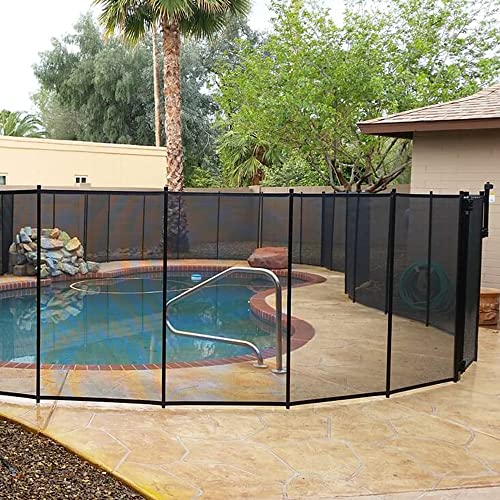
Pool Safety Fence. Our in-ground swimming pool safety fence is designed prevent your pool area from an accidental drowning. Safety Fence which it is a great choice to keep out pets or kids and gives your peace of mind that your child will be safe.
Importance of Pool Safety Fences
Pool safety fences prevent unauthorized access to pools. With a fence surrounding the pool area, you can keep young children and pets safe from potential dangers. Statistics show that drowning is a leading cause of accidental death among children aged one to four. Installing a safety fence can significantly reduce this risk, creating a safer environment.
Safety fences also promote responsible supervision. Even with adult supervision, distractions can occur. Having a pool safety fence serves as an additional precaution. It acts as a physical reminder to always keep watch while swimming.
Types of Pool Safety Fences
Multiple types of pool safety fences are available, each with unique features.
- Mesh Fences: Mesh fences are lightweight and removable. They typically consist of a series of vertical poles and a flexible mesh material. These fences are easy to install and take down, making them a popular choice for families.
- Aluminum Fences: Aluminum fences are durable and resistant to rust and corrosion. They provide a sleek look and often come in various designs. Their sturdiness offers long-lasting protection against accidental pool access.
- Glass Fences: Glass fences provide an unobstructed view of the pool area. They enhance aesthetics while maintaining safety. Glass panels are typically tempered for strength and safety, making them a stylish option.
- Wood Fences: Wood fences offer a traditional look and can be custom-built to fit your pool area. They require regular maintenance, such as staining or sealing, to prolong lifespan.
- Vinyl Fences: Vinyl provides a low-maintenance fencing option. This material is resistant to fading and is easy to clean, making it a practical choice for pool safety.
Choosing the right type of pool safety fence depends on your family’s needs, local regulations, and aesthetic preferences. Each option provides unique benefits in enhancing safety around your pool.
Preparing for Installation
Preparing for installation ensures a successful setup of your pool safety fence. Follow these steps for a smooth process.
Recommended Products

【Wide Compatibility】Our pool cover installation tool are suitable for most major brand pool safety covers anchors

Guide for drilling 5/8" holes

Easy Installation and Removal: Pool cover installation tool for brass anchors makes installing and removing the spring for opening and closing the pool easy
Tools and Materials Needed
Gather these essential tools and materials before starting your installation:
- Post Holes Digging Tool: A post hole digger or auger can help create deep holes for the fence posts.
- Level: A bubble level ensures your posts stand straight.
- Tape Measure: Measure distances accurately to place the fence correctly.
- Concrete Mix: Concrete anchors posts securely in the ground.
- Screws and Brackets: Ensure you have enough screws and brackets for attaching sections together.
- Safety Gear: Use gloves, goggles, and a dust mask to protect yourself during installation.
Choosing the Right Location
Choosing the right location for your safety fence is crucial. Consider these factors:
- Proximity to the Pool: Position the fence at least 3-5 feet away from the pool’s edge. This distance reduces the chance of accidental falls.
- Visibility: Select an area that allows for clear visibility from your home. This helps in supervising children and pets.
- Ground Condition: Look for level ground. Avoid placing the fence on slopes or uneven surfaces, which can affect stability.
- Access Points: Ensure that gates are easily accessible yet secure. Place gates in locations that allow for easy entry while maintaining safety.
These considerations lay the groundwork for effective installation and optimal safety.
Step-by-Step Installation Guide
Installing a pool safety fence involves several key steps to ensure it effectively prevents unauthorized access. Follow these detailed instructions for a successful installation.
Recommended Products

Immediate & Secure Pool Fence Connection—Upgrade mesh pool fence gate security with the Quick Lock Latch pool safety system. Perfect for replacing old DIY pool fence hooks or pool fence connectors, the durable pool fence hardware ensures fast, tool-free installation and keeps every pool fence section safely locked.

Set of two Omni-Hanger hooks for hanging towels and bathing suits, bags of pool toys, safety equipment, and more
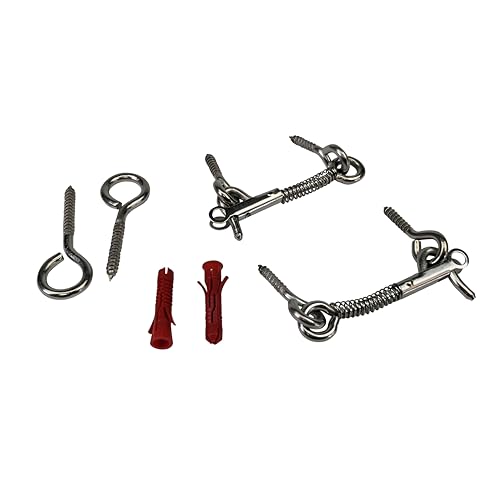
Secure Wall Mount System—Designed for pool fences for inground pools, this pool child safety fence wall mount creates a strong fence to wall anchor that stabilizes fence ends against brick, stucco, block, or wood walls for maximum safety.
Marking the Area
- Select Fence Location: Pick a location that meets local regulations, ensuring a minimum distance from the pool.
- Measure Perimeter: Use a tape measure to outline the fence’s perimeter, marking corners and edges with stakes or chalk.
- Confirm Gate Placement: Identify where the gates will go. Ensure they’re positioned conveniently but not directly adjacent to the pool.
Installing Fence Posts
- Gather Tools and Materials: You’ll need a post hole digger, level, concrete mix, and necessary posts.
- Dig Post Holes: Excavate holes about 2-3 feet deep, spaced according to your fence design, usually every 6-8 feet.
- Set Posts: Place each post in a hole, ensuring it stands straight. Use a level for accuracy.
- Secure With Concrete: Pour concrete mix around the posts, packing it tightly. Allow the concrete to cure based on the manufacturer’s instructions, typically 24-48 hours.
Adding Fence Panels
- Prepare Panels: If your fence includes pre-made panels, ensure they match the height of your posts.
- Attach Panels to Posts: Secure the panels between the posts using brackets, screws, or clamps. Verify they’re level and flush with the top of the posts.
- Double Check Stability: Ensure each panel is firmly attached, resisting movement by gently pushing against them.
- Install Gate Frame: Position the gate frame where planned, ensuring ample space for it to swing open freely.
- Attach Hinge: Secure the hinge to the gate frame and then to a post. Make adjustments for alignment as needed.
- Set Latch: Install a self-closing latch on the opposite side of the hinge. Ensure it’s positioned high enough to be out of reach for small children.
- Test Gate Functionality: Open and close the gate multiple times to ensure it operates smoothly and securely latches when closed.
By following these steps, you enhance safety around your pool area with a properly installed fence. Ensure you abide by local regulations for maximum effectiveness and compliance.
Maintenance and Care
Regular maintenance ensures your pool safety fence remains effective and visually appealing. Staying proactive in care helps prevent accidents and prolongs the life of the fence.
Regular Inspections
Inspect your pool safety fence at least twice a year. Check for any signs of wear or damage, such as rust, broken panels, or loose fittings. Ensure all gates close securely and latches function correctly. Look for gaps or holes that may allow pets or children to enter. Immediate identification of issues can prevent future hazards.
- Inspect joints and connections for stability.
- Ensure the height meets safety regulations.
- Check that all barriers remain intact.
Repairing Damaged Sections
Address damaged sections promptly to maintain optimal safety. For minor tears in mesh fences, use appropriate repair kits designed for quick fixes. For more significant damages like broken posts or panels, consider replacing those parts entirely.
- Replace damaged panels swiftly.
- Use rust-resistant materials for repairs.
- Apply weatherproofing solutions to extend longevity.
Regular attention to your pool safety fence enhances security. Proper maintenance and timely repairs contribute to a safer swimming environment for everyone.
Conclusion
Installing a pool safety fence is an essential step in keeping your loved ones safe. By choosing the right type of fence and following the installation steps carefully you’re taking a proactive approach to pool safety.
Remember to perform regular maintenance and inspections to ensure your fence remains in top shape. With a little effort you can enjoy peace of mind knowing your pool area is secure. So go ahead and create a safe swimming environment for everyone to enjoy.
Frequently Asked Questions
What are pool safety fences and why are they important?
Pool safety fences are barriers designed to prevent unauthorized access to pools, protecting children and pets from drowning accidents. They create a safe environment around the pool, ensuring that only responsible adults can supervise access.
What types of pool safety fences are available?
There are several types of pool safety fences, including mesh, aluminum, glass, wood, and vinyl. Each type has its own unique safety features and aesthetic appeal, allowing you to choose one that fits your backyard’s design.
How do I prepare for pool safety fence installation?
To prepare for installation, gather essential tools like a level, drill, and measuring tape. Also, consider the location of the fence to ensure it provides maximum safety and complies with local regulations.
What steps are involved in installing a pool safety fence?
Key steps for installation include measuring the area, marking where the fence will go, assembling the panels, and securing them into place. Follow a detailed step-by-step guide for the best results.
How should I maintain my pool safety fence?
Regular maintenance is crucial. Perform inspections to check for damage, and make prompt repairs using rust-resistant materials to ensure the fence remains safe and effective in preventing accidents.
How often should I inspect my pool safety fence?
Inspect your pool safety fence at least twice a year, or more frequently after severe weather. Regular checks help identify wear and tear, ensuring that the fence continues to provide optimal safety.