Have you ever walked outside only to find your pool cover tossed aside by the wind? It’s frustrating and can lead to debris piling up in your pool. Keeping that cover secure is essential for maintaining your pool’s cleanliness and safety.
In this article, you’ll discover practical tips to prevent your pool cover from blowing off, no matter how strong the gusts get. From using anchors to choosing the right materials, these simple strategies will save you time and hassle. With a few adjustments, you can enjoy peace of mind knowing your pool is protected.
Key Takeaways
- Choose the Right Cover: Select the appropriate type of pool cover—safety, winter, solar, or automatic—based on your pool usage and environmental conditions to enhance security and efficiency.
- Utilize Anchoring Systems: Properly installed and compatible anchors are essential in preventing your pool cover from dislodging, especially during windy weather.
- Employ Weights and Water Bags: Adding water bags or heavy-duty weights around the edges of your pool cover can significantly reduce the risk of it blowing off during storms.
- Implement Security Straps: Durable, weather-resistant security straps tightly secure your cover, providing an extra safeguard against strong winds and other elements.
- Conduct Regular Maintenance: Frequent inspections and seasonal preparations help identify wear and tear, ensuring your pool cover remains effective and secure throughout the year.
Understanding Pool Covers
Pool covers come in various types and serve crucial functions in maintaining your pool. Choosing the right one for your needs ensures safety, cleanliness, and energy efficiency.
Recommended Products

⭐【Compatibility】Poolzilla pool safety cover hardware is designed to work with most major brands of pool safety covers. Dimensions available for verification.

Keeps your pool area safe, won’t break even in a storm: 5-Pack of Heavy-duty pool cover anchors that will keep your swimming pool safety cover in place even at a heavy wind! Keep your pool area safe and prevent your kids and pets from falling to the pool by installing the cover with our durable in ground anchors.
Types of Pool Covers
- Safety Covers
- Safety covers keep children and pets safe when the pool is not in use. They’re typically made of sturdy materials like mesh or solid vinyl. Safety covers require proper installation to prevent gaps.
- Winter Covers
- Winter covers protect the pool during colder months. They’re usually heavier and designed to withstand snow and debris. Opt for solid winter covers with anchor points for added security.
- Solar Covers
- Solar covers help retain heat in your pool. These lightweight, bubble-like covers float on the water’s surface. They’re easy to remove but may need additional ties for windy conditions.
- Automatic Covers
- Automatic covers can be opened and closed with a push of a button. These high-end options offer convenience and enhanced safety, as they completely seal the pool when closed.
Importance of Keeping Covers Secure
Keeping your pool cover secure is essential for several reasons. A loose cover can allow debris to enter the pool, requiring more maintenance or even costly repairs.
- Safety Concerns
- Unsecured covers pose risks, especially with children or pets around. Strong winds can blow covers off, creating hazardous situations.
- Preventing Debris Accumulation
- A firm cover prevents leaves, dirt, and other debris from contaminating your pool. This minimizes cleaning time and preserves water quality.
- Energy Savings
- Secure covers maintain the water temperature, reducing heating costs over time. A well-fitted cover prevents excessive heat loss on cooler nights.
- Extending Cover Lifespan
- Keeping your cover secured reduces wear and tear. Sturdy anchors or ties protect against flapping and tearing, extending the life of your cover.
Implementing these strategies and understanding the types and importance of pool covers lead to a cleaner, safer, and more efficient pool experience.
Factors Leading to Pool Cover Blow-Off
Understanding the factors that contribute to a pool cover blowing off helps in taking preventative measures. Two main aspects affect cover security: weather conditions and pool cover material.
Weather Considerations
Wind intensity can significantly impact pool cover stability. Covers may flap, lift, or become dislodged during strong gusts.
- Strong Winds: High winds above 20 mph pose a risk to unsecured covers. You might notice debris flying around your yard when these winds occur.
- Storms: Severe weather, including thunderstorms and hurricanes, creates heavy winds and rain, increasing the chance of blow-offs since the covers tend to accumulate water.
- Temperature Changes: Rapid changes in temperature can create pressure differences. When the sun heats the cover, it might draw air underneath, causing it to lift.
To combat these issues, consider checking weather forecasts regularly. Secure your pool cover more tightly before storms or predicted windy days.
Pool Cover Material
The type of material used for your pool cover plays a critical role in its ability to resist blow-offs.
- Weight: Heavier materials generally stay put better than lightweight covers. Solid pool covers often provide more security against wind.
- Anchor Compatibility: Some covers come with specific anchoring systems. Use compatible anchors to enhance stability.
- Durability: Pay attention to the fabric’s durability against wear and tear. Covers made from rugged materials can withstand harsh conditions better than flimsy ones.
When selecting a cover, examine its features carefully. The right material not only prevents blow-offs but also lengthens its lifespan.
Effective Methods to Prevent Blow-Off
Securing your pool cover effectively keeps it in place and enhances safety and cleanliness. Here are the best methods to prevent your pool cover from blowing off.
Recommended Products

All-weather plastic coated 100' cable

【130ft Pool Cover Cable】The pool cover cable and ratchet is suitable for regular sized above ground pools in various shapes including round, oval and rectangular. the swimming pool cover winch is made of aluminum alloy and stainless steel, it is sturdy and not break easily, even in rainy or snowy days, it will not easy to rust due to water ingress, the cable is coated with plastic, which helps to fix your pool cover for a long time

High quality material: Made of high-quality brass, these head screw bolts are weather-resistant and durable enough to handle inclement weather with ease.
Use of Anchoring Systems
Anchoring systems provide a solid foundation for holding your pool cover securely.
- Choose Appropriate Anchors: Use anchors designed for your specific pool cover type. Safety covers often require ground anchors, whereas winter covers benefit from edge anchors.
- Install Anchors Properly: Follow the manufacturer’s instructions for anchor installation. Ensure that the anchors are placed at regular intervals around the pool for optimal support.
- Check Anchor Stability: Regularly inspect your anchors for wear and tear. Replace any damaged anchors to maintain cover security.
Adding Water Bags or Weights
Water bags and weights serve as effective barriers against wind forces.
- Position Water Bags Strategically: Place water bags around the edges of your pool cover. Filling them halfway ensures they remain stable without being cumbersome.
- Use Heavy-Weighted Materials: Consider using heavy-duty weights that are specifically designed for pool covers. These materials resist strong winds and prevent lift-off.
- Adjust for Wind Changes: If high winds are forecasted, add extra weight. Temporary shifts in weight can make a significant difference during stormy weather.
Installing Security Straps
Security straps add an additional layer of protection to your pool cover.
- Select Quality Straps: Use durable straps made from weather-resistant materials. This prevents deterioration from sun exposure and moisture.
- Secure Straps Firmly: Attach the straps evenly across the cover and tighten them adequately. Each strap should hold the cover snuggy against the pool.
- Inspect Periodically: Regularly check the condition of your straps. Replace frayed or damaged straps to maintain their effectiveness.
Maintenance Tips for Pool Covers
Maintaining your pool cover enhances its effectiveness and longevity. Regular care keeps it securely in place and protects your pool from debris and elements.
Recommended Products

Anchors In-Ground Pool Covers: These 10-ft double pool water bags anchor in-ground winter covers in place to resist wind lift and stop debris buildup; keeping the cover secure reduces the risk of slips and accidental falls, helping the pool area stay safer for families
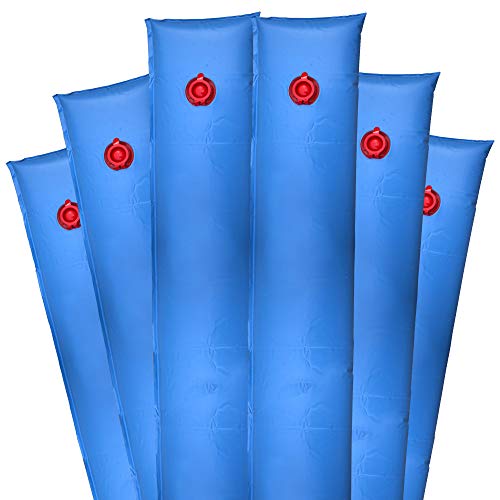
6-Pack Blue Heavy Duty 4 ft. Single Chamber Pool Cover Weights for Winter Pool Closing

The red tabs can be made easier to close by warming them up with a hair dryer.
Regular Inspections
Inspect your pool cover regularly for signs of wear and damage. Check for loose seams, frayed edges, or cracks. Look for any signs of sagging, which could allow wind to lift the cover. Make a habit of doing these checks after storms or high winds. If you notice any issues, address them promptly by making repairs or replacing the cover if necessary.
Seasonal Preparation
Prepare your pool cover for each season to ensure its stability. Before winter, remove any debris and clean the cover. Use a pool cover pump to eliminate standing water. In warmer months, switch to a lighter cover and ensure it’s securely anchored. Invest in water bags, weights, or straps designed for your cover type. Adjust these as needed based on weather fluctuations to maintain a snug fit.
Conclusion
Keeping your pool cover secure doesn’t have to be a hassle. By using the right anchors and weights you can ensure it stays in place even during windy days. Regular inspections and seasonal preparations make a big difference in maintaining its longevity and effectiveness.
Don’t forget to adapt your approach based on the weather and cover type. With a little effort you can enjoy a clean and safe pool all year round. So take these tips to heart and enjoy peace of mind knowing your pool is well protected.
Frequently Asked Questions
What is the importance of securing a pool cover?
Securing a pool cover is crucial for maintaining cleanliness and safety. It prevents debris accumulation, enhances safety for children and pets, saves energy, and prolongs the cover’s lifespan. Properly secured covers also reduce the risk of accidental drownings and keep the pool water clean.
What types of pool covers are available?
There are several types of pool covers, including safety covers, winter covers, and solar covers. Safety covers provide enhanced protection, winter covers shield the pool during colder months, and solar covers help retain heat. Each type serves specific functions based on seasonal needs and safety requirements.
How can I secure my pool cover effectively?
You can secure your pool cover using anchors, water bags, weights, and security straps. Ensure the anchoring system is suitable for your specific cover type to withstand wind and weather conditions. Regularly check the setup for any loose fittings or wear to maintain security.
What maintenance is required for pool covers?
Regular maintenance of pool covers includes inspections for wear and damage, addressing issues promptly, and seasonal preparations. Remove debris, clean the cover, use a pool cover pump to eliminate standing water, and adjust anchoring methods based on weather fluctuations to ensure effectiveness.
How do weather conditions affect pool cover security?
Weather conditions, especially wind intensity and rain, significantly impact pool cover security. High winds can create strain on covers and pull them off, while heavy rain can lead to water accumulation. Choosing the right cover material and anchoring systems helps prevent blow-offs in varying weather situations.