Are you tired of harsh chemicals in your pool but still want crystal-clear water? You’re not alone. Many pool owners are looking for safer, more natural ways to keep their pools clean without relying on chlorine.
Table of Contents
Key Takeaways
- Chlorine Alternatives: Explore various chlorine-free options like saltwater systems, UV filters, ozone generators, and mineral systems that provide effective pool sanitation with fewer chemicals.
- Natural Cleaning Methods: Utilizing beneficial bacteria and enzymes can enhance pool cleanliness by breaking down organic materials and improving water clarity without harsh chemicals.
- Physical Cleaning Techniques: Regular skimming, vacuuming, and brushing of the pool surfaces are essential practices that help maintain a clean pool environment.
- Water Quality Maintenance: Keep pH and alkalinity balanced through regular testing to ensure a healthy swimming environment, reducing the risk of algae growth and maintaining clear water.
- Regular Maintenance Schedule: Consistent monitoring of water chemistry and regular cleaning routines are key to keeping your pool clean and safe without the need for chlorine.
Understanding Chlorine Alternatives
Chlorine has long been the go-to solution for pool maintenance, but many alternatives exist. Each offers its own benefits and effectiveness.
Saltwater Systems
Saltwater systems use salt to produce chlorine through electrolysis. This method provides a gentler, more stable form of chlorine, reducing irritation to skin and eyes. You’ll need to install a saltwater generator, and regular maintenance includes monitoring salinity levels.
UV Filters
UV filters use ultraviolet light to disinfect water. This process kills bacteria and viruses without the need for additional chemicals. You might need a professional to install the system, but the maintenance involves regularly cleaning the UV lamp and ensuring it functions properly.
Ozone Generators
Ozone generators inject ozone gas into your pool water. Ozone acts as a powerful oxidizer, eliminating contaminants effectively. Though installation can be more involved, users benefit from fewer chemicals and reduced chlorine odor. Regular monitoring of ozone levels is crucial for effectiveness.
Mineral Systems
Mineral systems add minerals like copper and silver to the water. These minerals help inhibit algae growth and bacteria, creating a stable pool environment. You’ll typically replace mineral cartridges every few months to maintain efficacy.
Pool Covers
Using pool covers can minimize debris and maintain water quality. Covers help prevent sunlight, which encourages algae growth. Regular cleaning of the cover helps ensure optimal performance.
Regular Maintenance
Regardless of the alternative you choose, schedule regular maintenance. Testing water chemistry weekly ensures the pool remains balanced. Cleaning filters and maintaining circulation also plays a critical role.
By exploring these alternatives, you can find a method that suits your pool cleaning needs while aligning with your preference for natural solutions.
Natural Pool Cleaning Methods
Explore these natural methods to keep your pool clean without chlorine. Each option offers unique benefits for maintaining clear, safe water.
Recommended Products

ENJOY COMFORTABLE CLEAN: Rinoson saltwater pool chlorinator system is designed for above-ground pools, in-ground pools, and hot tubs up to 5,800 gallons, delivering soft, smooth water that eliminates red eyes and skin irritation. Producing up to 0.18 oz of chlorine per hour (5g/h), it ativates only when water flow meets requirements and features customizable runtime settings.

【Massive 20g/H Chlorine Output】: Convert your above-ground swimming pool into a crystal-clear oasis! With a 20g/h output, a smart saltwater chlorinator efficiently disinfects pools up to 26,500 gallons using electrolysis. Simply add food-grade sea salt (99.6% NaCl) for continuous sodium hypochlorite production—no chlorine tablets needed.
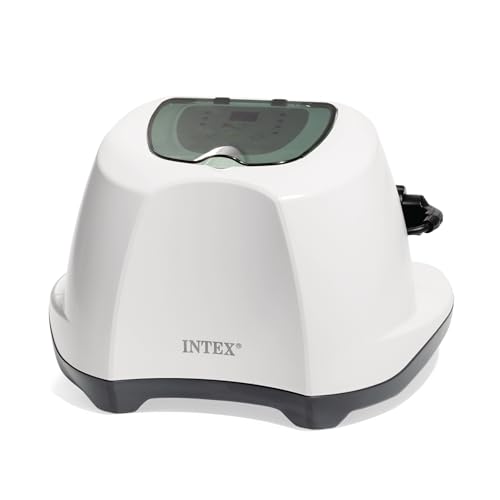
✔ UPGRADE TO A SALTWATER POOL – QS500 saltwater system lets you enjoy the same process used for in-ground swimming pools to keep your above ground pool sparkling clear, suitable for pools up to 7,000 gallons.
Using Saltwater Systems
Saltwater systems create chlorine naturally through electrolysis. This method involves adding salt to the pool, where it passes through a salt cell. The process generates low levels of chlorine, which effectively sanitize the water. Saltwater is gentler on skin and eyes, reducing irritation. Many users report clearer water and less chemical smell compared to traditional chlorine pools. Regularly check salinity levels to ensure optimal performance, aiming for 3,000 to 3,500 parts per million (ppm) of salt.
Beneficial Bacteria and Enzymes
Beneficial bacteria and enzymes contribute to maintaining pool cleanliness through natural processes. These products can break down organic matter like leaves, oils, and bacteria. Introduce specific bacteria cultures that thrive in pool environments, targeting contaminants effectively. Enzyme products work to digest debris, preventing buildup that clouds water. Regular use can enhance overall water clarity and reduce the need for harsh chemicals. Check for products labeled as eco-friendly to ensure safe usage for you and the environment.
Physical Cleaning Techniques
Keeping your pool clean without chlorine involves simple physical cleaning techniques. Regular maintenance through these methods helps maintain water clarity and hygiene.
Recommended Products

Upgraded Front Lip: We extended and changed the shape of the front lip of the frame to a circular arc to improve the net's performance in bottom debris picking-up works

Ultra-Fine Nylon Mesh for Precision Cleaning – Effortlessly capture tiny insects, fine particles, and debris with our pool skimmer net, perfect for maintaining crystal-clear water in above-ground pools and ponds. Ideal as part of your essential pool cleaning equipment.
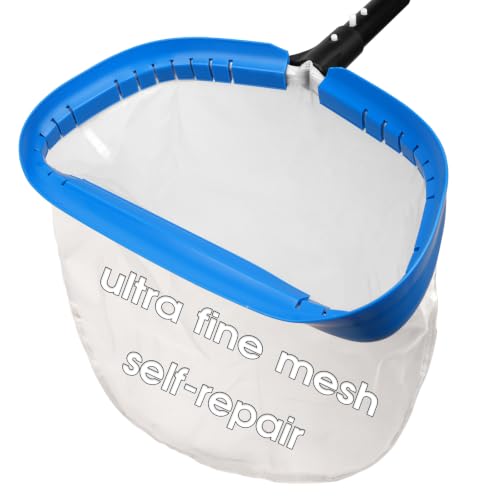
Upgraded Front Lip: We extended and changed the shape of the front lip of the frame to a circular arc to improve the net's performance in bottom debris picking-up works
Skimming and Vacuuming
Skimming involves using a long-handled net to remove debris from the surface of the water. Aim for daily skimming to catch leaves, bugs, and other floating particles. Use a fine mesh net to ensure you capture even the smallest items.
Vacuuming removes dirt and sediment from the pool’s floor. Use a manual or automatic pool vacuum to tackle this task. For manual vacuums, attach the vacuum head to a telescoping pole and connect the hose to your skimmer. Move the vacuum slowly across the floor, allowing it to pick up dirt and debris effectively. Schedule vacuuming at least once a week, or more frequently if your pool is in a heavily wooded area.
Brushing Pool Surfaces
Brushing the pool walls and floor helps prevent algae buildup and keeps surfaces clean. Use a pool brush suited for your pool type—nylon brushes work well for vinyl liners, while stainless steel brushes are effective for concrete surfaces.
Brush the entire pool every week, focusing on corners and steps where debris tends to accumulate. Make long strokes to cover more area efficiently. If you see stubborn stains, add a bit of water-activated diatomaceous earth to your brush for extra scrubbing power.
Implementing these physical cleaning techniques ensures a clean and inviting pool, enhancing your enjoyment without the need for chlorine.
Maintaining Water Quality
Maintaining water quality is essential for keeping your pool clean without chlorine. Proper balance and regular checks can make a significant difference.
Recommended Products
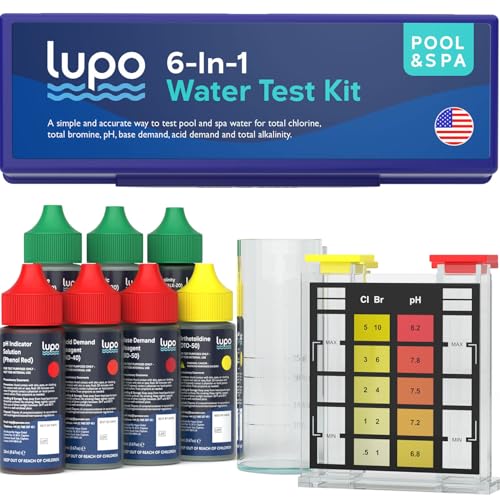
6-IN-1 POOL TESTING KIT: An easy-to-use, accurate pool test kit for testing six essential water quality parameters in residential pools and spas: Total Chlorine, Total Bromine, pH, Base Demand, Acid Demand and Total Alkalinity. Includes reagents for 100 tests, helping keep your water safe and balanced.

DIY Tester - Basic 5-Way Water Test Kit is an affordable, yet accurate, product to easily maintain proper chemical levels in your pool. The clear-view test block with matching color chips makes it easy for DIY water testing week after week
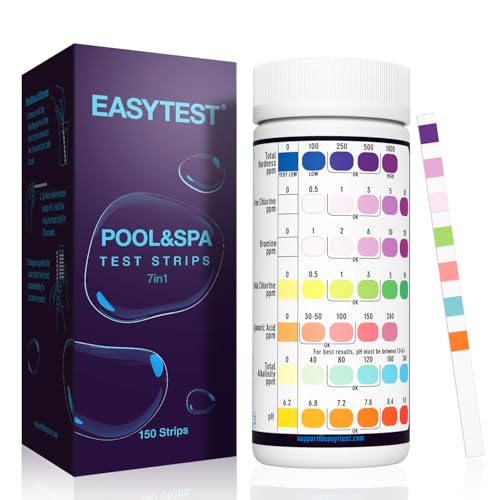
AFFORDABLE 150 STRIPS: This water chemical testing kit contains 150 test strips. Enough balanced for your swimming pool, hot tub, spa and other water testing. At least testing twice a week is recommended to keep your pool sparkling clean and safe.
pH and Alkalinity Balance
Ensure pH levels stay between 7.2 and 7.8 for optimal comfort and maintenance. Test your pool’s pH weekly. Adjust it using pH increasers or decreasers as needed. For alkalinity, aim for a range of 80 to 120 parts per million (ppm). This range helps stabilize pH levels. Use alkalinity increasers to manage fluctuations. Both pH and alkalinity adjustments contribute to a healthier swimming environment, reducing the likelihood of algae growth.
Regular Testing and Monitoring
Regular testing is vital for effective pool maintenance. Use test strips or liquid test kits to check pH, alkalinity, and other parameters weekly. Keep a log of your readings. Monitor calcium hardness and chlorine levels if using alternative sanitizers. Water temperature may also affect sanitizer effectiveness. Adjust your maintenance routine based on weather patterns, such as heavy rain or heat, which can change water chemistry. Consistent monitoring ensures your pool environment remains safe and enjoyable.
Conclusion
Keeping your pool clean without chlorine is totally doable with a bit of effort and the right techniques. By embracing natural alternatives and sticking to a regular maintenance routine you can enjoy crystal-clear water that’s safe for everyone.
Remember to keep an eye on your water’s pH and alkalinity levels to ensure a healthy swimming environment. With these tips in your toolkit you’ll be well on your way to a refreshing pool experience that’s both enjoyable and eco-friendly. Dive in and enjoy the benefits of a chlorine-free pool!
Frequently Asked Questions
What are natural alternatives to chlorine for pool maintenance?
Natural alternatives to chlorine include saltwater systems, which convert salt into chlorine, and beneficial bacteria that help break down contaminants. Additionally, physical cleaning methods like skimming, vacuuming, and brushing are effective for maintaining pool cleanliness without harsh chemicals.
How important is regular pool maintenance?
Regular pool maintenance is essential for ensuring water quality and hygiene. Practices like testing and balancing pH and alkalinity, along with routine cleaning, help prevent algae growth and keep the water safe for swimming.
What are the ideal pH and alkalinity levels for pool water?
The ideal pH level for pool water should be between 7.2 and 7.8, while alkalinity should range from 80 to 120 parts per million (ppm). Maintaining these levels helps ensure a safe and enjoyable swimming experience.
How often should I test my pool water?
It’s recommended to test your pool water at least once a week. Regular testing allows you to monitor chemical levels and make necessary adjustments, ensuring a healthy swimming environment, particularly after heavy rain or extreme weather events.
Why is monitoring calcium hardness important?
Monitoring calcium hardness is crucial because it helps prevent scaling and corrosion in your pool equipment. Keeping calcium levels balanced ensures your pool remains in good condition and maintains a stable pH environment, contributing to overall water quality.