Are you tired of dealing with cloudy pool water and harsh chemicals? You’re not alone. Many pool owners struggle to maintain clean and clear water without resorting to synthetic solutions that can harm the environment and your health.
Key Takeaways
- Health and Safety: Clean pool water is crucial for preventing skin irritations and ensuring a safe swimming experience, reducing the risk of health issues associated with contaminated water.
- Natural Cleaning Methods: Employ techniques such as using aquatic plants and enzyme products to effectively maintain water clarity without harsh chemicals, promoting both health and environmental sustainability.
- Regular Maintenance: Consistent practices like skimming, vacuuming, and monitoring water chemistry are essential for maintaining clear water and reducing maintenance costs.
- Alternative Treatments: Consider saltwater systems and mineral purifiers as eco-friendly alternatives to traditional chemical sanitizers, enhancing water quality and user comfort.
- Common Mistakes to Avoid: Stay vigilant against frequent pitfalls such as neglecting regular testing, overusing chemicals, and ignoring vegetation, which can compromise water cleanliness.
- Impact on Property Value: A well-maintained pool not only enhances aesthetics and leads to better swimming experiences but also boosts property value, reflecting diligence and care.
The Importance Of Clean Pool Water
Clean pool water ensures a safe and enjoyable swimming experience. Contaminated water can lead to skin irritations, eye problems, and other health issues. Maintaining clear water also promotes a pleasant atmosphere for relaxation and fun.
Besides health benefits, clean water reduces maintenance costs. When water stays free of debris and harmful bacteria, management efforts decrease. You’ll spend less on chemicals, filtration, and repairs resulting from neglected water.
The visual appeal of a clean pool can’t be overstated. Crystal-clear water invites use, while cloudy water deters potential swimmers. A well-maintained pool enhances property value, as it reflects attention to detail and care.
Natural methods offer effective ways to keep pool water clean. Techniques like using natural enzymes, maintaining proper pH levels, and implementing regular cleaning enhance water quality. These methods protect both the environment and your family’s health, providing peace of mind.
Natural Methods For Pool Water Cleaning
Maintaining clean pool water naturally enhances your swimming experience and protects your health. Explore these effective methods to keep your pool crystal clear.
Recommended Products

Natural Pool Enzyme Cleaner for Saltwater Pools - Formulated for saltwater systems, this enzyme-based solution helps reduce buildup from oils, lotions, and other non-living organics. Supports cleaner-looking water and simplified pool maintenance.

Powerful Pool Enzyme Formula: Our weekly pool enzyme treatment boasts a potent blend of natural enzymes that break down organic matter, reducing the workload on your pool's filtration system and ensuring a clean, clear pool swimming environment.

Reduces sanitizer consumption
Using Plants For Filtration
Using aquatic plants as natural filters offers a sustainable way to improve water quality. Plants, such as water lilies and duckweed, absorb nutrients and pollutants. They help reduce algae growth and enhance the overall ecosystem in your pool.
- Choose Suitable Plants: Select native plants that thrive in your climate. This ensures they adapt well and provide optimal filtration.
- Create a Plant Area: Designate a section of your pool for aquatic plants. This will promote their growth while enhancing your pool’s natural aesthetic.
- Monitor Growth: Regularly check and trim plants to prevent overshadowing. Keeping them healthy ensures effective filtration.
Benefits Of Enzyme Products
Enzyme products effectively break down organic debris in your pool water. They target oils, lotions, and other organic matter that contribute to cloudiness.
- Reduce Chlorine Usage: Enzymes minimize the need for harsh chemicals. Regular use leads to clearer water and a more enjoyable swim.
- Support Water Balance: Enzymes help maintain optimal pH levels and prevent water imbalance. This reduces the risk of skin irritations and increases bather comfort.
- Eco-Friendly Solution: Most enzyme products are biodegradable and safe for the environment. They offer a guilt-free cleaning alternative that promotes aquatic health.
Utilizing these natural methods keeps your pool water clean and enhances its appeal, allowing for a refreshing swimming experience.
Regular Maintenance Practices
Maintaining clean pool water doesn’t require harsh chemicals. Regular maintenance practices play a key role in promoting a natural, inviting swimming environment.
Recommended Products
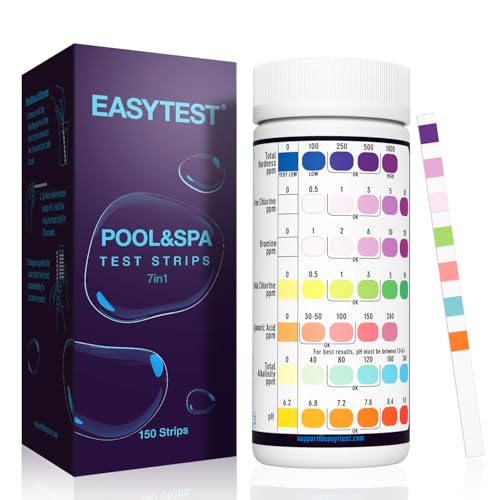
AFFORDABLE 150 STRIPS: This water chemical testing kit contains 150 test strips. Enough balanced for your swimming pool, hot tub, spa and other water testing. At least testing twice a week is recommended to keep your pool sparkling clean and safe.
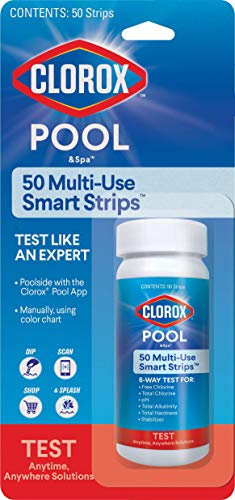
Test Like an Expert: Maintain perfectly balanced pool water with 6-Way Multi-Use Test Strips and the complimentary Clorox Pool app. The app gives do-it-yourself pool owners the tools to proudly and confidently maintain a swim-ready pool all season long.

LAB-TESTED FOR ACCURACY: Take the guesswork out of routine water checks with our lab-tested pool test strips. Compare the strip colors with the bottle chart to monitor water chemistry and help guide pool and spa maintenance.
Skimming And Vacuuming Techniques
Skim the surface daily using a pool net to remove leaves and debris. This simple act prevents dirt from sinking and accumulating on the bottom. Use a manual or automatic pool vacuum weekly to clean the pool floor and walls. Manual vacuums allow you to target specific areas, while automatic vacuums offer convenience and efficiency. Aim for consistent skimming and vacuuming to minimize contaminants and keep the water clear.
Balancing Water Chemistry Naturally
Monitor your pool’s pH level regularly, aiming for a balance between 7.2 and 7.8. Use natural pH increasers like baking soda or vinegar as alternatives to chemical adjusts. Maintain alkalinity levels between 80 and 120 ppm with carbonate or sodium bicarbonate. Test water regularly with a kit or test strips to stay on top of the chemistry. If you notice imbalances, adjusting these levels promptly is essential for a healthy pool and pleasant swimming experience.
Incorporate these maintenance practices into your routine. You’ll see a noticeable difference in water clarity and overall pool health without relying on harsh chemicals.
Alternative Water Treatments
Alternative water treatments offer effective ways to maintain clean pool water without relying on harsh chemicals. These methods are safe and eco-friendly, promoting a healthier swimming environment.
Recommended Products

【Premium Saltwater Pool System】Designed for expansive pools up to 26,500 gallons, the salt chlorine generator uses advanced electrolysis technology automatically converts salt to chlorine, cuts chlorine costs by 50% vs traditional methods. Delivers silky-soft, irritation-free water while eliminating harsh odors. Ideal for creating a healthy, worry-free swimming environment

INTELLIGENT MONITORING AND PROTECTION: The Westaho salt pool system features an advanced intelligent control panel, displaying key information like salt levels, pool water temperature, total cell usage time, cell operating voltage, and current. This ensures you're always aware of your pool's health. It also includes low water temperature protection, automatically shutting down below 52°F to extend cell lifespan and care for your pool

Saltwater Systems
Saltwater systems use salt to generate chlorine through a process called electrolysis. This method produces a stable and low level of chlorine, minimizing harshness on the skin and eyes.
- Lower chlorine levels: You’ll find that these systems create smoother water, leading to less irritation.
- Cost-effective: Although initial investment in equipment is necessary, ongoing costs for chemicals decrease over time.
- Lower maintenance: Automated systems self-generate chlorine, reducing your workload.
Using Mineral Purifiers
Mineral purifiers leverage natural minerals, such as copper and silver, to enhance water quality. These minerals fend off algae and bacteria, keeping your pool water clear and clean.
- Natural sanitation: You’ll rely on fewer chemical sanitizers, promoting a healthier swimming experience.
- Odor and taste reduction: These purifiers often eliminate the strong chlorine smell associated with traditional systems.
- Eco-friendly: Mineral purifiers contribute to a sustainable and chemical-free swimming environment.
Integrating these alternative water treatments into your pool maintenance routine creates a cleaner and more enjoyable swimming experience.
Common Mistakes To Avoid
Avoiding common mistakes enhances your pool’s cleanliness. Here are key errors to sidestep:
- Neglecting Regular Testing: Testing your pool water weekly ensures balanced pH and chlorine levels. Skipping this step leads to imbalances that foster algae growth.
- Overusing Chemicals: Relying heavily on chemicals complicates water maintenance and may harm swimmers. Use natural alternatives like enzymes to keep water clean without overdoing it.
- Ignoring Filtration Needs: Failing to clean or run your filter regularly affects water quality. Keep the filter clean and operational for at least 8-12 hours daily.
- Underestimating Vegetation: Not incorporating aquatic plants can limit natural filtration. Use plants effectively to absorb nutrients and keep the pool environment balanced.
- Forgetting Pool Maintenance: Overlooking regular skimming, brushing, and vacuuming allows debris to accumulate. Develop a weekly cleaning routine to keep your pool inviting.
- Disregarding Sunlight Exposure: Exposure to full sunlight increases evaporation and algae growth. Use pool covers to maintain temperature and reduce sunlight reaching the water.
- Misjudging Water Levels: Low water levels impact the filtration system’s efficiency. Maintain water levels regularly, especially after significant rainfall or evaporation.
By being aware of these mistakes and correcting them, you can keep your pool water clean naturally and create a healthier swimming environment.
Conclusion
Keeping your pool water clean naturally is easier than you might think. By embracing eco-friendly methods and avoiding common pitfalls you can enjoy crystal-clear water without the harsh chemicals.
Regular maintenance and mindful choices make a big difference in water quality. With the right balance of natural treatments and a little attention to detail your pool can be a safe and inviting oasis.
So dive in and enjoy your sparkling clean pool while knowing you’re making a positive impact on the environment. Happy swimming!
Frequently Asked Questions
What causes cloudy pool water?
Cloudy pool water can result from several factors including improper pH levels, insufficient filtration, and the presence of contaminants or debris. Poor chemical balance and a lack of regular maintenance also contribute to cloudiness, making it important for pool owners to monitor their water regularly.
How can I clear up cloudy pool water naturally?
To clear cloudy pool water naturally, maintain proper pH levels, use enzymes to break down organic debris, and consider adding aquatic plants for filtration. Regularly skimming debris and ensuring your filtration system works effectively also helps keep your water clear.
What are some alternative treatments for pool water?
Alternative treatments for pool water include saltwater systems and mineral purifiers. These methods reduce reliance on harsh chemicals, lower chlorine levels, and help maintain water quality while promoting a more eco-friendly swimming environment.
What are the advantages of using a saltwater system?
Saltwater systems create chlorine naturally through the salt, resulting in softer water and lower chemical maintenance costs. This method reduces chloramines, leading to less irritation for swimmers and a more pleasant swimming experience.
What common mistakes should pool owners avoid?
Pool owners should avoid neglecting regular testing of water chemistry, overusing chemicals, ignoring filtration needs, and underestimating the impact of vegetation. Additionally, they should not overlook maintenance tasks, disregard sunlight exposure, or misjudge water levels to ensure clean water.