Is your swimming pool feeling more like a hot tub on a sunny day? You’re not alone. Many pool owners struggle with keeping their water cool during those scorching summer months. It can be frustrating when all you want is a refreshing dip, but the water’s too warm to enjoy.
Key Takeaways
- Understand Pool Temperature: Cooler water enhances comfort, enjoyment, and supports health during swimming activities.
- Identify Influencing Factors: Sun exposure, air temperature, wind conditions, pool size, and usage patterns all affect your pool’s temperature.
- Utilize Effective Cooling Techniques: Implement pool covers, shade structures, and cooling systems to maintain a refreshing pool environment.
- Prioritize Water Quality: Regular chemical balancing and cleaning are essential for keeping the water cool and safe for swimming.
- Adopt Best Practices: Swim during cooler times of the day and encourage natural wind flow to enhance your pool’s overall cooling effect.
Understanding Pool Temperature
Pool temperature plays a key role in your swimming experience. It affects comfort, enjoyment, and even your ability to swim effectively. Keeping your pool cool during hot summer months can enhance relaxation and fun in the water.
Importance of Pool Temperature
Maintaining the right pool temperature matters for several reasons. Cooler water:
- Enhances Comfort: Warm water can feel stifling, while cooler temperatures provide a refreshing escape.
- Promotes Enjoyment: Refreshing dips encourage longer swimming sessions, increasing your pool time.
- Supports Health: Cooler water can help reduce overheating, especially during vigorous swimming or exercise.
Factors Affecting Pool Temperature
Multiple factors influence your pool’s temperature. Understanding these helps you implement effective cooling strategies:
- Sun Exposure: Direct sunlight warms the water. Consider placement of trees or umbrellas to provide shade.
- Air Temperature: Warmer air raises water temperature. Monitoring forecasts helps in planning pool activities.
- Wind Conditions: Wind can cool the surface of the water. Positioning windbreaks can maintain cooler temperatures.
- Pool Size and Depth: Smaller, shallower pools heat up more quickly than larger or deeper ones. Recognizing this can guide your cooling tactics.
- Usage Patterns: Increased activity raises water temperature. Limit the number of sunbathers or swimmers if the goal is to keep it cool.
By understanding these factors, you can take proactive steps to maintain the ideal temperature in your swimming pool.
Effective Cooling Techniques
Keeping your swimming pool cool during hot summer months enhances comfort and enjoyment. Implement the following techniques to maintain a refreshing pool temperature.
Recommended Products

Protect your Swim Center Family Pool from leaves or other debris with the Intex Rectangular Pool Cover, a great accessory for helping to maintain fresh, clean pool water all summer long.

Swimming Pool Supplies: the package includes 1 piece of hand rail cover for inground pool, printed with flamingo and palm; It offers everything that you need to enhance the security of your pool area, convenient for people to hold by hand, and reduce the risk of accidental slipping

Fabric: Swimsuit coverup for women, made of lightweight and flowy material, bathing suit cover up could comfy and cooling your hot summer days and resort wear
Using Pool Covers
Using pool covers can significantly cool your pool. Covers help reduce heat absorption during the hottest parts of the day. Opt for a reflective cover to bounce sunlight away, or use a thermal blanket to retain cooler temperatures. Ensure to cover the pool when not in use, especially during peak sun hours.
Implementing Shade Structures
Implementing shade structures creates a cooler environment over your pool. Consider adding pergolas, awnings, or large umbrellas to block direct sunlight. Planting trees or installing shade sails can also provide effective coverage. Aim for structures that allow airflow to maintain a pleasant atmosphere while also shielding the pool from excessive heat.
Cooling Systems and Supplies
Cooling systems and supplies offer advanced solutions for maintaining your pool’s temperature. Use a water feature, such as a fountain or waterfall, to introduce cooler water into the pool. Invest in a dedicated pool chiller or heat pump designed for cooling, which circulates water through a cooling system. Regularly check and maintain these systems for optimal performance.
Maintaining Water Quality
Maintaining water quality is crucial for keeping your pool cool and enjoyable. Clean water not only enhances comfort but also promotes a healthy swimming environment.
Recommended Products
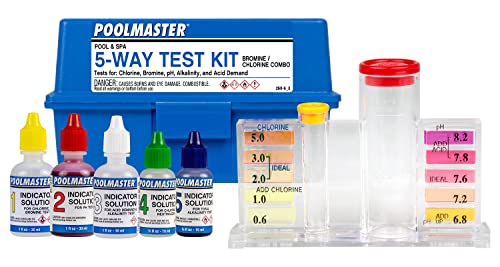
5-WAY WATER TESTING: Accurately tests chlorine, bromine, pH, acid demand, and total alkalinity to help maintain clean, balanced pool and spa water
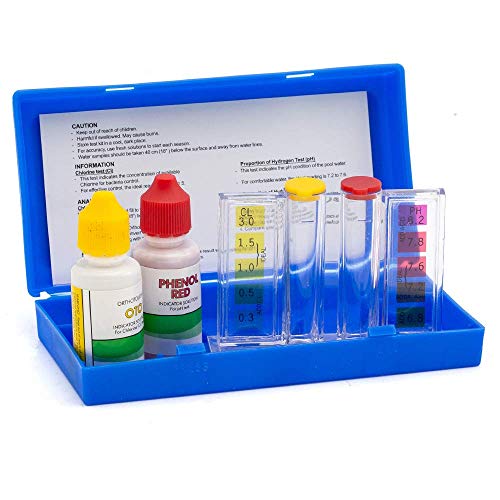
2 Way Pool Water Test Kit For Test For OTO, CL, and PH Level

3-Way Water Test Kit: Save both time and money with these convenient refill packs designed specifically for your 3-way test kit. Ensure you always have the supplies you need on hand for accurate and hassle-free water testing.
Balancing Chemicals
Balancing chemicals in your pool helps regulate temperature and keeps the water safe. Test your pool water at least once a week using a reliable testing kit. Focus on these key parameters:
- pH Level: Aim for a pH between 7.2 and 7.8 to ensure swimmer comfort and chemical effectiveness.
- Chlorine: Maintain chlorine levels between 1 and 3 parts per million (ppm) to prevent algae and bacteria growth.
- Alkalinity: Keep total alkalinity between 80 and 120 ppm to stabilize pH levels.
Adjust chemical levels as needed, using products specifically designed for pool maintenance. Following manufacturer instructions ensures proper dosing, avoiding overuse that can lead to harsh water conditions.
Regular Cleaning and Maintenance
Regular cleaning and maintenance keep your pool looking great and performing efficiently. Implement these practices:
- Skimming and Vacuuming: Remove debris daily using a skimmer net. Vacuum the pool weekly to clear dirt and sediment.
- Brushing: Brush walls and steps weekly to prevent algae buildup. Pay attention to corners and ladders.
- Filter Maintenance: Clean or replace filters every 4 to 6 weeks, depending on usage. A clean filter circulates water effectively, helping maintain a cooler temperature.
- Water Level: Check water levels weekly. Ensure the water level is halfway up the skimmer for optimal operation.
Consistent cleaning and maintenance enhance overall pool comfort and contribute to maintaining a refreshing temperature.
Best Practices for Summer Months
Keeping your swimming pool cool during the summer months involves strategic practices that enhance comfort. Implementing these tactics promotes an enjoyable swimming experience.
Recommended Products

【UV Protection & Breathable Canopy】: Vidoya Pool Shade Canopy is is made from 185g high-density polyethylene fabric, which blocks approximately 98% of harmful UV rays and helps lower the pool's water temperature, allowing you to fully enjoy your time in the pool. The canopy features a breathable, water-permeable microporous design that accelerates air circulation and minimizes water accumulation (not prevent water pooling entirely), thereby extending the lifespan of the canopy.

High-Quality Construction: Made with 185 gsm high-density polyethylene (HDPE) shade fabric; features well-stitched seams and sturdy stainless steel D-rings in each corner for lasting durability

Slimming Tankini Sets: The flowy swim top effectively hides tummy bulge, paired with ruched details to enhance a slimming silhouette. High waisted bottom adds subtle coverage, blending comfort with a flattering, shapely look for all body types
Time of Day for Swimming
Choose early morning or late evening for swimming. Temperatures are generally cooler during these times. Avoid swimming during peak sun hours (typically 10 AM to 4 PM); this reduces heat exposure. Consider adjusting your pool schedule for maximum enjoyment.
Encouraging Natural Wind Flow
Enhance airflow around your pool area. Trim trees or shrubs that block the breeze. Install poolside fences or screens to redirect wind towards the pool. This natural ventilation helps cool the water. You can also position loungers or umbrellas to create shaded, breezy areas that encourage airflow while enjoying your surroundings.
Conclusion
Keeping your swimming pool cool during those scorching summer days doesn’t have to be a hassle. By implementing a few simple strategies you can create a refreshing oasis right in your backyard. Whether it’s using covers for insulation or setting up shade structures to block the sun you’ll enhance your swimming experience.
Don’t forget about the importance of water quality too. A clean and well-maintained pool not only feels better but also contributes to your overall enjoyment. So take the time to apply these tips and enjoy a cool dip whenever you like. Your summer days will be much more enjoyable with a perfectly chilled pool waiting for you.
Frequently Asked Questions
How does pool temperature affect swimming comfort?
Maintaining an appropriate pool temperature is crucial for comfort and health. Warmer water can lead to overheating and dehydration, while cooler water may feel refreshing during hot summer months. The ideal swimming temperature ranges from 78°F to 82°F, ensuring a pleasant and enjoyable experience for swimmers.
What factors influence pool water temperature?
Several factors influence pool water temperature, including sunlight exposure, air temperature, wind conditions, and water evaporation. The use of pool covers, shade structures, and surrounding landscaping can also significantly affect how warm or cool the water remains during the summer.
What strategies can I use to cool my pool water?
To cool your pool water, consider using pool covers at night, creating shaded areas with umbrellas or awnings, and encouraging natural wind flow with landscaping. Additionally, swimming in the early morning or late evening can provide a cooler experience.
How can I maintain my pool water quality?
Maintaining pool water quality requires regular testing and balancing of chemicals, such as chlorine and pH levels. Regular cleaning, skimming debris, and vigilant maintenance practices are essential for ensuring a healthy swimming environment and keeping the water clear and refreshing.
When is the best time to swim to avoid warm water?
The best times to swim to avoid warm water are during cooler parts of the day, such as early morning or late evening. This approach helps minimize exposure to the sun’s heat and keeps the water temperature more comfortable for swimming.