Ever jumped into a swimming pool only to be greeted by water that’s warmer than you’d like? It can be a real bummer when all you want is a refreshing dip on a hot day. Keeping your pool water cool not only makes for a more enjoyable swim but also helps maintain the overall health of your pool.
Key Takeaways
- Understanding water temperature is crucial for enhancing swimming comfort and promoting pool health.
- Implementing natural cooling techniques, such as shade structures and water features, effectively reduces pool water temperature.
- Using proper pool cover strategies minimizes heat retention and prevents temperature spikes, ensuring a refreshing swimming atmosphere.
- Regular chemical testing and balancing are essential for maintaining cooler water and preventing algae growth.
- Choosing an optimal location for your pool and enhancing it with landscaping can significantly lower water temperature.
- Mechanical options like pool chillers and solar-powered cooling systems provide additional solutions for maintaining an enjoyable swimming experience.
Understanding Swimming Pool Water Temperature
Swimming pool water temperature affects comfort and swimming enjoyment. Maintaining a cooler temperature can enhance your swimming experience and promote pool health.
Importance of Temperature Control
Temperature control in a swimming pool ensures a pleasant environment for swimmers. Cooler water helps prevent overheating, allowing for longer swim sessions. It also reduces the growth of algae and bacteria, improving overall water quality. Regular monitoring and adjustments promote a balanced ecosystem within the pool.
Factors Affecting Water Temperature
Multiple factors influence swimming pool water temperature. Consider the following:
- Environmental Conditions: Sunlight, wind, and air temperature significantly impact heat retention. Sunny days increase water temperature, while cooler nights can lower it.
- Water Features: Waterfalls or fountains can cool the surface temperature due to evaporation. Ensure these features are running regularly to maximize cooling effects.
- Pool Location: Pools in shaded areas remain cooler than those exposed to direct sunlight, especially during peak hours.
- Ice or Shade Structures: Temporary ice packs or shade structures can provide quick relief on particularly warm days, reducing water temperature.
- Cover Usage: Using a pool cover during hot days can trap heat. Remove it when swimming to allow for natural cooling through evaporation.
By understanding these factors, you can implement specific strategies to maintain a comfortable swimming pool temperature throughout the season.
Methods to Keep Swimming Pool Water Cool
Maintaining cool swimming pool water enhances comfort and pool hygiene. Several methods exist, both natural and mechanical, to help you achieve this.
Recommended Products

Solar heater mat uses solar technology to increase the temperature of the pool water by approximately 5 to 9 degrees depending on the weather

NOTE!: Designed for compatibility with In-Tex, Bestway, Hayward, and Coleman pools. Package Includes 2 rubber rings for stability—please install them on the connecting ports during assembly. Otherwise, the product may become unstable and fall down. Please charge the panel face up for 1-2 hours in daylight. If it doesn’t light up at night, check for insufficient charging.
Natural Cooling Techniques
- Use Shade Structures: Install awnings, gazebos, or trees for shade. This reduces direct sunlight, leading to cooler water temperatures.
- Employ Pool Covers: Utilize reflective pool covers during hot days. They minimize sun exposure and lower water temperature effectively when not in use.
- Apply Water Features: Incorporate fountains or waterfalls. These create surface agitation, allowing evaporative cooling to occur, which cools the water.
- Position the Pool Wisely: Choose a location with natural shade when placing your pool. Less exposure to sunlight directly correlates with reduced water temperature.
- Install a Pool Chiller: Use a water chiller, specifically designed for pools, to maintain desired temperatures. These devices circulate water and cool it before returning it to the pool.
- Implement Solar-Powered Cooling Systems: Explore solar water cooling systems. They harness solar energy to cool the water, promoting energy efficiency.
- Use Heat Pumps: Consider heat pumps with cooling capabilities. They can lower pool water temperatures effectively, especially in larger pools.
- Incorporate High-Efficiency Pumps: Opt for high-efficiency pool pumps that circulate water more rapidly, aiding in heat dispersal throughout the pool.
By integrating these methods, you can ensure comfortable, cool water for enjoyable swimming experiences.
Pool Maintenance Tips for Cooler Water
Keeping your pool water cool requires consistent care and attention. Implement these strategies to enhance your pool’s temperature management.
Recommended Products
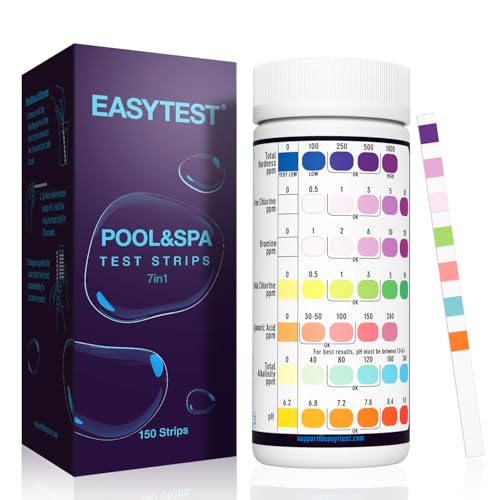
AFFORDABLE 150 STRIPS: This water chemical testing kit contains 150 test strips. Enough balanced for your swimming pool, hot tub, spa and other water testing. At least testing twice a week is recommended to keep your pool sparkling clean and safe.
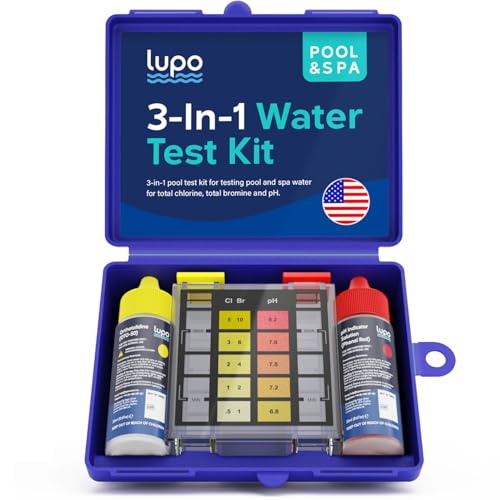
3-IN-1 POOL TESTING KIT: An easy-to-use, accurate pool test kit for testing three essential water quality parameters in residential pools and spas: Total Chlorine, Total Bromine, and pH. Includes enough reagents for 100 tests, helping keep your water safe, clean, balanced, and ready to use anytime.
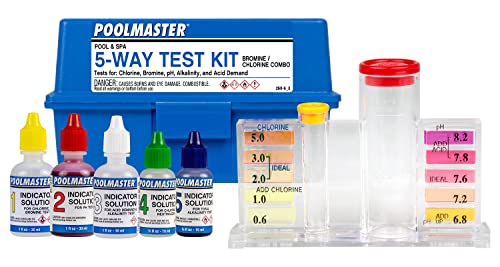
5-WAY WATER TESTING: Accurately tests chlorine, bromine, pH, acid demand, and total alkalinity to help maintain clean, balanced pool and spa water
Regular Testing and Balancing
Testing pool water regularly ensures the chemical balance supports cooler water. Use a reliable test kit to check pH, alkalinity, and chlorine levels at least twice a week.
- pH Levels: Maintain pH between 7.2 and 7.8. Too high or too low will increase water temperature.
- Alkalinity: Keep total alkalinity between 80 and 120 ppm. This stabilizes pH and improves water quality.
- Chlorine: Ensure chlorine levels stay between 1 and 3 ppm for optimal sanitation. Proper sanitation helps prevent algae, which raises water temperature.
Regularly adjusting chemicals according to testing results keeps your water not only safe but also cooler.
Optimal Pool Cover Use
Using a pool cover appropriately sharpens cooling efforts. Covers not only reduce heat retention but also minimize debris.
- Types of Covers: Choose from solar covers, safety covers, and standard tarp covers. Solar covers provide added warmth during day use but can help cool during hot nights if used strategically.
- Nighttime Use: Cover your pool at night. This prevents heat from escaping and keeps the water cool.
- Daytime Use: During the hottest part of the day, consider removing the cover. This allows for occasional evaporation, which cools the water.
Proper cover usage prevents temperature spikes and maintains a refreshing swimming environment.
Enhancing Shade Around the Pool
Creating shade around your pool effectively keeps the water cool and adds comfort for swimmers. Implementing natural and artificial shading solutions reduces direct sunlight exposure on the water’s surface.
Recommended Products

【UV Protection & Cooling】Made of 100% brand new High Density Polyethylene material and eliminate the use of splicing fabrics.Blocks up to 95% of harmful UV rays and direct sunlight exposure."Breathable" fabric allows air to pass freely and achieve a certain degree of cooling.
Utilizing Landscaping
- Plant Trees: Consider planting deciduous trees around the pool area. They provide shade in the summer while allowing sunlight in during winter.
- Shrubs and Hedges: Use tall shrubs or hedges to create a natural barrier. They shield the pool from direct sun and add privacy.
- Flower Beds: Design flower beds near the pool that contribute some shade without obstructing views. Native plants can thrive here, requiring less maintenance.
- Pergolas: Install a pergola over the pool area. Add climbing plants for additional cooling and a beautiful aesthetic.
- Umbrellas: Use large, adjustable umbrellas positioned around the pool. Their mobility lets you control the shade according to the sun’s position.
- Sail Shades: Consider installing fabric sail shades. They’re stylish and effective at blocking sunlight, and you can customize the size and angle for optimal coverage.
Incorporating these strategies enhances your pool area’s shade, promotes cooler water, and creates a more enjoyable swimming environment.
Conclusion
Keeping your swimming pool water cool doesn’t have to be a daunting task. By combining natural and mechanical methods you can create a refreshing oasis that’s perfect for swimming. Regular maintenance and testing will not only help maintain the right temperature but also ensure your pool stays healthy and inviting.
Don’t forget the importance of shade and landscaping to enhance your pool area. With a little effort and creativity you can enjoy those long summer days without worrying about overheating. Dive in and enjoy the cool waters that you’ve worked hard to maintain!
Frequently Asked Questions
Why is pool temperature important for swimming?
Maintaining an optimal pool temperature enhances the swimming experience. Cooler water prevents overheating, allowing for longer swim sessions. It also contributes to improved water quality by minimizing the growth of algae and bacteria.
What are some natural ways to cool pool water?
Natural methods include using shade structures like pergolas, planting trees and shrubs, and adding water features. Pool covers can also help regulate temperature by blocking sunlight and reducing heat gain.
How do mechanical methods cool pool water?
Mechanical methods, such as pool chillers and heat pumps, actively lower water temperature. Chillers work by removing heat from the water, while heat pumps extract heat from the air to cool the water, providing efficient temperature control.
What maintenance tips help keep pool water cool?
Regularly test and balance pH, alkalinity, and chlorine levels to maintain water quality. Additionally, using covers effectively during downtime can prevent temperature spikes and conserve cooling efforts.
How does landscaping contribute to cooling a pool?
Landscaping techniques such as planting trees, installing hedges, and creating flower beds can provide shade. This not only lowers the temperature of the water but also enhances the comfort of swimmers by reducing direct sunlight exposure.