Is your pool water looking a bit cloudy or feeling uncomfortable? It might be time to check the pH levels. Maintaining the right pH is essential for keeping your pool clean, safe, and enjoyable. When the balance is off, it can lead to skin irritation, equipment damage, and even algae growth.
Key Takeaways
- Importance of pH Balance: Maintaining a pH level between 7.2 and 7.8 is vital for pool hygiene, comfort, and equipment longevity.
- Benefits of Proper pH Levels: Correct pH levels prevent skin irritation, enhance water clarity, protect equipment from corrosion, and deter algae growth.
- Regular Testing: Use pH test strips or digital meters to test pool water at least once a week and after heavy usage or rainfall.
- Adjusting pH Levels: Raise low pH with sodium carbonate or lower high pH with muriatic acid, following dosage instructions and retesting afterward.
- Common pH Issues: High and low pH levels lead to skin irritation, cloudy water, and equipment damage, necessitating prompt action to ensure a safe swimming environment.
- Routine Maintenance: Consistently monitor and adjust pH levels throughout the swimming season for optimal pool conditions.
Importance Of pH Balance In Pools
Maintaining pH balance in your pool is crucial for hygiene, comfort, and equipment longevity. An ideal pH level ranges between 7.2 and 7.8, ensuring a safe swimming environment.
Benefits Of Proper pH Levels
- Skin Comfort: Balanced pH prevents skin irritation for you and your guests.
- Water Clarity: Proper pH enhances water clarity by maximizing the efficacy of sanitizers.
- Equipment Longevity: Maintaining pH protects pool equipment from corrosion and damage.
- Algae Prevention: Balanced levels deter algae growth, keeping your pool clean.
- Skin Irritation: A low pH level can cause stinging and rashes.
- Cloudy Water: High pH levels can lead to cloudy water, making it less inviting.
- Equipment Damage: Low pH accelerates corrosion in metal components, leading to costly repairs.
- Chemical Ineffectiveness: Improper pH can reduce the effectiveness of chlorine and other sanitizers.
Keeping your pool’s pH balanced is essential for safety, enjoyment, and maintenance. Regular testing and adjustments ensure optimal conditions for a refreshing swim.
Tools And Equipment For Testing pH
Testing pH levels in your pool requires specific tools and equipment. Using accurate testing methods ensures you maintain optimal pH for a safe swimming environment.
Recommended Products
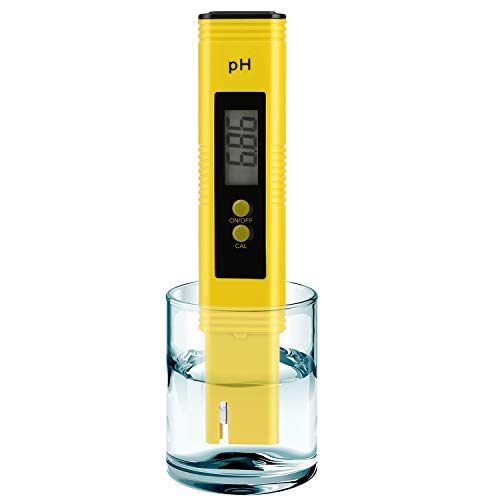
【Calibration Operation Guide】 Press and hold the CAL button for 5 seconds to access calibration mode. Complete calibration by selecting the standard powders in this exact order: 6.86 → 4 → 9.18. Please refer to our full calibration instructions and tutorial video for detailed steps.

Application: Ideal for residential or commercial use, water, pool, spas, liquid food, laboratory, aquaculture and hydroponics
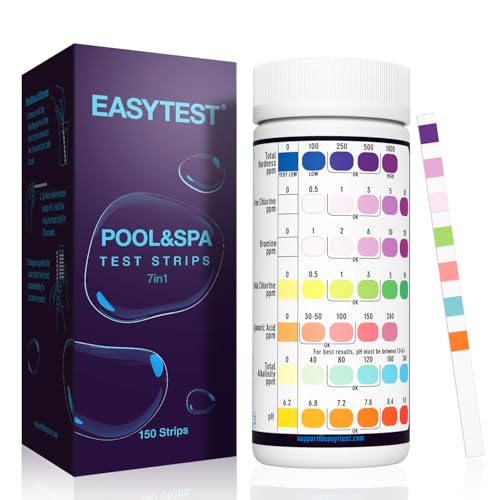
AFFORDABLE 150 STRIPS: This water chemical testing kit contains 150 test strips. Enough balanced for your swimming pool, hot tub, spa and other water testing. At least testing twice a week is recommended to keep your pool sparkling clean and safe.
pH Test Strips
pH test strips are simple to use and provide quick results. To test, dip a strip into your pool water for a few seconds, then compare the color change against the chart provided with the strips.
- Choose strips designed specifically for pool water.
- Store them in a cool, dry place to avoid damage.
- Test the water frequently, at least once a week, and after heavy rain or usage.
Digital pH Meters
Digital pH meters offer precision in measuring pH levels. These devices provide digital readings that are easy to interpret.
- Calibrate the meter according to the manufacturer’s instructions before use.
- Dip the probe into the water for a few seconds until it stabilizes.
- Clean the probe after each use to maintain accuracy.
Both methods have their advantages. pH test strips are convenient for quick checks, while digital meters give you detailed measurements. Using these tools regularly helps you keep your pool’s pH in check and create a pleasant swimming experience.
Steps To Maintain pH In Your Pool
Maintaining pH in your pool requires regular attention. Follow these steps to keep your water balanced and safe for swimming.
Recommended Products

AFFORDABLE 7-IN-1 POOL TESTING KIT: Our 100 pool test strips provides an affordable, all in one pool water testing kit for various chemicals including Free Chlorine, Alkalinity, pH levels and more!

LAB-TESTED FOR ACCURACY: Take the guesswork out of routine water checks with our lab-tested pool test strips. Compare the strip colors with the bottle chart to monitor water chemistry and help guide pool and spa maintenance.

Enjoy Crystal Clear Pool & Hot Tub & Spa Water: Are you concerned that the levels of certain chemicals(especially chlorine or bromine) in your pool, spa or hot tub water may be too high or too low? Which may cause skin irritation, skin problems, or safety issues for you or your family, especially children. If so, just choose our pool test strips. Let everyone enjoy crystal clear & healthy water is our original intention
Testing The Water Regularly
Testing the water regularly ensures you maintain optimal pH levels. Use pH test strips or digital pH meters for accurate results.
- Check Weekly: Test the water once a week during the swimming season. During heavy use or after rain, test the water more often.
- Collect Samples: Take samples from various depths and areas for a thorough check. This method provides a better understanding of your pool’s overall pH.
- Record Results: Keep track of your pH levels in a notebook or digital format. This history helps identify trends and when adjustments are necessary.
Adjusting pH Levels
Adjusting pH levels is straightforward. Follow these steps to bring your pool’s pH into the ideal range of 7.2 to 7.8.
- Determine pH Level: If your test shows a low pH (below 7.2), you need to raise it. If it’s high (above 7.8), lower it down.
- Use pH Increasers or Decreasers:
- For Low pH: Add sodium carbonate (soda ash) to raise pH.
- For High pH: Add muriatic acid or sodium bisulfate to lower pH.
- Follow Dosage Instructions: Read manufacturer instructions for specific dosage based on water volume. Generally, start with small amounts and retest after a few hours.
- Retest After Adjustments: Always retest the water after making adjustments. This ensures that pH levels have reached the desired range.
- Repeat Regularly: Maintain this testing and adjusting routine throughout the swimming season to keep your pool safe and enjoyable.
Common pH Problems And Solutions
Maintaining proper pH levels in your pool can be challenging. Understanding common pH problems and their solutions helps keep your pool safe and enjoyable.
Recommended Products

For use as directed with Taylor Technologies test kits

Reliable Results In Seconds – Everything you need to test your pool or spa is conveniently packaged in the handy storage case, including a comparator to mix samples, and 13 easy-to-use reagents for 9 common water test parameters for DPD testing: Free & Total Chlorine, Bromine, pH, Acid & Base Demand, Total Alkalinity, Calcium Hardness and Cyanuric Acid (CYA).

The 2 standard testing solutions that are used for measuring and maintaining the proper Chlorine, Bromine and pH chemical levels in swimming pools and spas
High pH Levels
High pH levels, above 7.8, can cause skin and eye irritation, reduce sanitizer effectiveness, and lead to cloudy water.
- Test Regularly: Use pH test strips or a digital meter to test the water.
- Add pH Decreaser: Introduce a pH decreaser, often sodium bisulfate, to lower the pH. Follow the manufacturer’s instructions for dosage.
- Circulate Water: Run the pool pump and filter for at least 4 hours after adding the pH decreaser to ensure even distribution.
- Retest: After 24 hours, retest the pH level. Adjust if necessary.
Low pH Levels
Low pH levels, below 7.2, can also cause issues, including corrosion of pool equipment, skin irritation, and increased algae growth.
- Check Your Levels: Regularly test the pH to monitor levels.
- Use pH Increaser: Add a pH increaser, commonly sodium carbonate, to raise the pH. Again, adhere to the dosing recommendations.
- Mix It Well: Allow the pump to circulate the water for several hours post-application to ensure thorough mixing.
- Check Afterward: Wait 24 hours and retest the pH. Make additional adjustments if needed.
By promptly addressing high and low pH levels, you ensure a safe and comfortable swimming experience. Regular testing and adjustments form the backbone of effective pool maintenance.
Conclusion
Keeping your pool’s pH balanced is key to a safe and enjoyable swimming experience. By testing regularly and making adjustments as needed you can prevent issues like skin irritation and cloudy water. Remember to circulate your water and retest after any changes to ensure everything stays just right. With a little effort and attention you’ll create a refreshing oasis that you and your loved ones can enjoy all season long. Happy swimming!
Frequently Asked Questions
What is the ideal pH level for a swimming pool?
The ideal pH level for a swimming pool is between 7.2 and 7.8. This range ensures optimal cleanliness, safety, and comfort for swimmers while preventing damage to pool equipment.
How can I tell if my pool’s pH is imbalanced?
Signs of imbalanced pH include skin irritation, cloudy water, and scaling on pool surfaces or equipment. Regular testing with pH test strips or digital meters can help identify these issues promptly.
What should I do if my pool’s pH is too high?
If your pool’s pH is too high, use pH decreasers (also known as pH reducers) to lower the levels. Follow the manufacturer’s instructions for proper dosage and be sure to retest the pH afterward.
How can I raise my pool’s pH if it’s too low?
To raise your pool’s pH, use pH increasers (sodium carbonate). Add the recommended amount based on your pool’s size, and make sure to retest the pH after mixing for accuracy.
How often should I test my pool’s pH levels?
It’s best to test your pool’s pH levels at least once a week, especially during peak swimming season. Regular testing helps maintain balanced water conditions and ensures a safe environment for everyone.
What are the consequences of not maintaining proper pH levels?
Neglecting pH balance can lead to skin irritation, cloudy water, corrosion of pool equipment, and decreased sanitizer effectiveness. This not only affects swimmer comfort but can also increase maintenance costs.
How do I circulate the water in my pool after adjusting pH levels?
To circulate the water after adjusting pH levels, run your pool pump and filter system for several hours. This helps evenly distribute the chemicals throughout the pool for accurate pH readings.
Is it necessary to retest pH levels after adjusting them?
Yes, it is crucial to retest pH levels after making adjustments to ensure they fall within the ideal range. This ensures a safe and enjoyable swimming environment for all users.