Thinking about sprucing up your pool area? Adding pavers can transform your outdoor space into a stylish and functional oasis. Whether you’re tired of muddy grass or just want a safer surface for those summer pool parties, pavers offer a great solution.
Key Takeaways
- Types of Pavers: Choose from concrete, natural stone, brick, or porcelain pavers based on durability, aesthetics, and maintenance requirements.
- Safety & Aesthetic Benefits: Pavers provide a slip-resistant surface and can enhance the visual appeal of your pool area, making it safer and more inviting.
- Preparation is Key: Proper site preparation, including measuring and drainage planning, is crucial for a successful paver installation.
- Installation Process: Follow a structured process, including excavation, base laying, and paver placement, to ensure a stable and attractive pool border.
- Maintenance Matters: Regular cleaning and sealing of pavers are essential to preserve their appearance and longevity, requiring periodic maintenance checks.
- Property Value Enhancement: Installing pavers not only improves your outdoor space but can also increase your property’s overall value.
Understanding Pavers for Pool Areas
Pavers enhance your pool area’s appearance and functionality. They provide a safe, stylish surface that stands up to the wear and tear of pool use.
Recommended Products

Hidden Interlocking rubber pavers stay in place for a seamless surface

PVC Material, Strong and Durable: This commercial drainage floor mat is made of environmentally friendly PVC material, which has good elasticity, good wear resistance, strong flexibility, bending resistance, UV resistance. The size of this anti-skid pad is 3FT(W)x16FT(L), which can be placed on the ground with standing water or easily dirty to prevent dirt and non-slip.
Types of Pavers
When choosing pavers for your pool area, consider these common types:
- Concrete Pavers: Durable and versatile, concrete pavers come in various colors and patterns. They withstand moisture and heat, making them ideal for pool settings.
- Natural Stone Pavers: Options like granite, slate, or limestone offer a luxurious look. They’re strong and slip-resistant but require more maintenance than concrete.
- Brick Pavers: Classic and charming, brick pavers add warmth. They’re sturdy but can be prone to fading under direct sunlight.
- Porcelain Pavers: These pavers mimic natural stone while being resistant to stains and scratches. They’re non-porous, which limits moisture absorption.
Benefits of Using Pavers
Using pavers around your pool provides several advantages:
- Safety: Pavers are designed with slip-resistant surfaces, reducing the risk of accidents.
- Aesthetic Appeal: They create a visually appealing space that complements your backyard design.
- Easy Maintenance: Most pavers are simple to clean and don’t require sealing. You can easily replace any damaged pieces without disturbing the surrounding area.
- Versatility: Pavers come in countless shapes, sizes, and colors, allowing you to customize your pool area effortlessly.
- Effective Drainage: Permeable pavers allow water to drain through, preventing puddles and reducing skid hazards.
Selecting the right pavers enhances your poolside experience and boosts your property’s value.
Preparing the Area
Preparing the area around your pool for pavers involves careful consideration and planning. This step ensures a safe and attractive poolside environment.
Recommended Products

【Lightweight but Firm】Made of high hardness plastic. Not as heavy as wooden deck tiles, but has good load-bearing properties. High-density plastics have better stability, not easy to expand, can withstand direct sunlight, rainstorm and snowstorm, which fits for being used all year round. Our plastic deck tiles have better waterproof performance than wooden material. More durable, extended service life.

【Lightweight but Firm】Made of high hardness plastic. Not as heavy as wooden deck tiles, but has good load-bearing properties. High-density plastics have better stability, not easy to expand, can withstand direct sunlight, rainstorm and snowstorm, which fits for being used all year round. Our plastic deck tiles have better waterproof performance than wooden material. More durable, extended service life.

【Lightweight but Firm】Made of high hardness plastic. Not as heavy as wooden deck tiles, but has good load-bearing properties. High-density plastics have better stability, not easy to expand, can withstand direct sunlight, rainstorm and snowstorm, which fits for being used all year round. Our plastic deck tiles have better waterproof performance than wooden material. More durable, extended service life.
Choosing the Right Location
Choose a location that provides adequate space around the pool. Factors to consider include:
- Safety: Leave enough room for movement and access to the pool.
- Sunlight Exposure: Consider the amount of shade versus sun to prevent overheating of the pavers.
- Drainage: Ensure proper drainage to prevent water accumulation, which could lead to slips.
Planning the Layout
Plan the layout for the pavers to create an appealing design. Follow these steps:
- Measure the Area: Use a tape measure to determine the dimensions surrounding the pool.
- Mark Boundaries: Use stakes and string to outline the intended area for the pavers.
- Consider Patterns: Choose a pattern that complements your pool. Options include herringbone, running bond, or circular layouts.
- Account for Expansion Joints: Leave space for movement and allow for natural settling of the ground.
By focusing on these details, you set the foundation for a successful paver installation around your pool.
Installing Pavers Around the Pool
Installing pavers around your pool adds beauty and functionality. Follow these steps for a successful installation.
Recommended Products
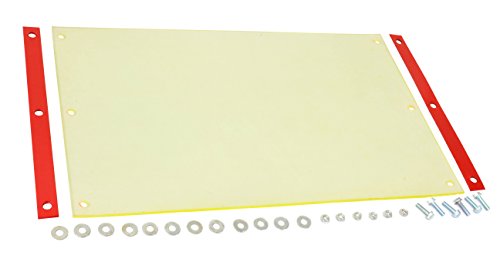
Thick and durable design prevents pavers from breaking or marring

Pad size: 19 inches - 24 inches, the front lip will flex to match many different plate profiles.

⭐【Easy Anchor Installation】Easily install brass pool cover anchors during the winter season by using this Poolzilla tamping tool. Place this tool on top of your anchor and hammer it into place with a mallet or other device.
Excavating the Ground
Excavate the area around the pool to a depth of at least 6-8 inches. This depth accommodates the base layer and prevents shifting. Ensure the excavation follows the pool’s shape, allowing for a smooth transition. Remove any grass, roots, or debris, and check for levelness. Use a shovel or a rented mini-excavator for larger areas. Consider sloping the ground slightly away from the pool for drainage.
Laying the Base
Lay a solid base for the pavers. Use crushed stone or gravel, spreading it to a depth of 4-6 inches. Compact the base thoroughly with a plate compactor. This compacting enhances stability and reduces settling. Level the surface with a rake, ensuring it remains even. If desired, place a weed barrier fabric on top of the base for added protection against weeds.
Placing the Pavers
Begin placing the pavers at a corner or edge of the pool area. Lay the first paver in your chosen pattern, using spacers for uniform gaps. Continue placing pavers, checking alignment frequently. Cut pavers as needed with a wet saw or angle grinder to fit the edges and curves. After laying all pavers, fill the joints with sand, sweeping excess sand off the surface. Mist the area lightly with water to help the sand settle.
By strictly following these steps, you ensure a well-constructed, visually appealing border that enhances your pool area.
Finishing Touches
Finishing touches enhance both the look and longevity of pavers around your pool.
Grouting and Sealing
Grouting pavers fills the gaps between them, providing stability and preventing weed growth. Use a polymeric sand or grout specifically designed for pavers. After spreading it over the paver surface, use a broom to work it into the joints. Next, lightly mist the area with water to activate the bonding agents. Once the grout cures, seal the pavers with a high-quality sealer. Sealing protects against stains and UV damage, helping maintain the pavers’ appearance. Reapply the sealer every 1-3 years based on wear.
Cleaning and Maintenance
Regular cleaning keeps your paver area inviting. Sweep away debris weekly to prevent stains. Use a pressure washer quarterly for deep cleaning, but ensure it’s set on a low pressure to avoid damaging the pavers. If you notice dirt accumulation or mold, use a mix of water and mild detergent. Apply the solution with a soft-bristle brush, scrub gently, and rinse thoroughly. Additionally, inspect the joints for any shifting. Replenish sand in the joints as needed to maintain stability.
Conclusion
Transforming your pool area with pavers can create a stunning and functional space for relaxation and fun. By choosing the right materials and following the installation steps, you’ll not only enhance the beauty of your pool but also ensure safety and durability.
Remember to keep up with regular maintenance to keep your pavers looking their best. With a little effort and care, your poolside oasis will be a welcoming spot for family and friends for years to come. So grab your tools and get started on this rewarding project—you won’t regret it!
Frequently Asked Questions
What are the benefits of using pavers around a pool?
Pavers, such as concrete, natural stone, brick, and porcelain, enhance your pool area by providing aesthetic appeal, safety, and increased property value. They offer easy maintenance and effective drainage, making them an excellent choice for poolside surfaces.
How do I install pavers around a pool?
Installing pavers involves several steps: excavate the area, create a smooth transition, ensure proper drainage, lay a solid base, arrange the pavers in a selected pattern with spacers, cut them for edges, fill joints with sand, and mist the surface for better adherence.
What maintenance is required for pavers?
Regular maintenance includes cleaning and pressure washing, using mild detergent for dirt and mold removal, inspecting joints for stability, and sealing pavers to protect against stains and UV damage. These steps keep your pool area looking fresh and well-maintained.
How do I choose the right type of paver for my pool area?
When selecting pavers, consider factors like aesthetics, texture, stain resistance, and slip resistance. Concrete, natural stone, brick, and porcelain each offer distinct looks and benefits, so choose based on your style preferences and functional needs.
Can I seal my pavers, and why is it important?
Yes, sealing your pavers is highly recommended. It protects them from stains, UV damage, and water infiltration, extending their lifespan and maintaining their appearance. Regular sealing helps prevent discoloration and reduces the frequency of cleaning needed.