Have you ever noticed cracks or chips in your pool coping? It’s a common issue that can make your pool area look less inviting. Not only does damaged coping affect the appearance of your pool, but it can also lead to bigger problems if left unattended.
Table of Contents
Key Takeaways
- Understanding Pool Coping: Pool coping is essential as it protects the pool structure, enhances safety, and improves aesthetics. Common materials include concrete, natural stone, pavers, and tile.
- Importance of Maintenance: Regular inspection and maintenance of pool coping ensure safety, structural integrity, and visual appeal, while also managing water flow to prevent erosion.
- Identifying Common Issues: Cracks, breaks, and loose or missing stones are common problems that can lead to safety hazards and aesthetic concerns. Timely identification is crucial.
- Repair Process: Assess damage, choose appropriate materials, and follow specific repair steps for cracks, loose stones, and missing sections to restore functionality and appearance.
- Maintenance Tips: Conduct biannual inspections and clean pool coping monthly during the swimming season to prevent grime buildup and extend its lifespan. Use gentle cleaning methods to avoid damage.
Understanding Swimming Pool Coping
Swimming pool coping serves as the transition between the pool and the deck, providing both functional and aesthetic benefits. Understanding its role helps you appreciate the importance of maintaining it regularly.
What Is Pool Coping?
Pool coping refers to the material surrounding the edge of the swimming pool. It acts as a capstone, protecting the pool structure and enhancing safety. Common materials for pool coping include:
- Concrete: Durable and customizable, concrete can be molded into various shapes and colors.
- Natural Stone: Options like limestone and travertine offer a classic look and are slip-resistant.
- Pavers: Manufactured to interlock, offering versatility in design and easy repair.
- Tile: Available in numerous colors and styles, tiles add a decorative touch while being waterproof.
Importance of Pool Coping
Pool coping plays several key roles:
- Safety: Coping creates a smooth edge, reducing the risk of slips and falls.
- Structural Integrity: It protects the pool shell from damage caused by water and weather.
- Aesthetics: The right coping enhances the overall appearance of your pool area, complementing the landscape.
- Water Management: Coping helps direct water flow away from the pool, reducing erosion and water accumulation.
Regular inspection and maintenance of pool coping help ensure your swimming area remains safe, visually appealing, and structurally sound.
Common Issues with Pool Coping
Pool coping can face several challenges over time. Identifying these issues allows you to maintain both safety and aesthetics around your swimming pool.
Recommended Products
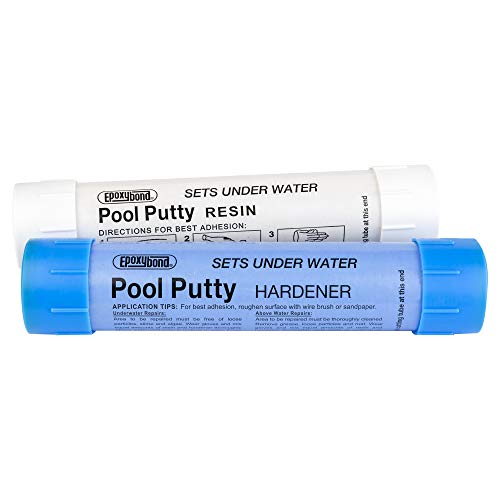
SAFE AND LASTING HAND-MOLDABLE PUTTY APPLY TO FIX LEAKS UNDERWATER: So easy and safe to use. Simply mix 1-to-1, mold putty in your hands, and apply to the area where leak or crack.
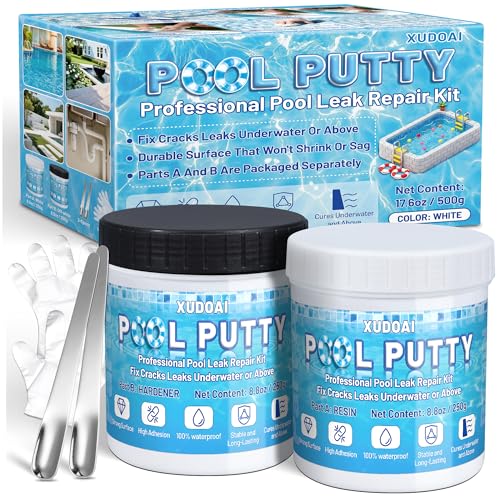
Powerful White Pool Putty: Our swimming pool epoxy putty provides durable, long-lasting repair and sealing, effectively solving problems such as cracks, holes, and leaks in the swimming pool. Once fully cured, it forms a sturdy and wear-resistant surface, providing reliable waterproofing. Very suitable for filling and repairing cracks, holes, and uneven surfaces

HIGH STRENGTH 2-PART POOL EPOXY PUTTY: Our pool putty has excellent wear resistance, waterproof, high temperature resistance, corrosion resistance and impact resistance, providing a long-lasting and strong repair effect. It can easily cope with both underwater and above-water environments. Perfectly repair swimming pool leaks, fill cracks, holes and uneven surfaces, and make your swimming pool look brand new
Cracks and Breaks
Cracks and breaks in pool coping pose significant risks. They may lead to water pooling in undesirable areas, promoting mold and algae growth. For example, a small crack can expand due to freeze-thaw cycles, worsening the damage. Regularly check for any visible damage. If you spot cracks, clean the area thoroughly and fill them with a suitable epoxy or concrete patch. Applying a sealant afterward can help prevent future issues.
Loose or Missing Stones
Loose or missing stones compromise the stability of pool coping. They can create tripping hazards and affect the overall appearance. If you notice stones shifting, reattach them using construction adhesive or mortar. For missing stones, replace them with matching materials to maintain a cohesive look. Ensure the area is clean and dry before applying the adhesive, and allow ample time for the repairs to set before using the pool.
Steps to Repair Swimming Pool Coping
Repairing your swimming pool coping helps restore its functionality and appearance. Follow these steps to ensure a successful repair process.
Recommended Products

With pump running add FIX-A-LEAK slowly through skimmer or in front of any other suction intake.

Easy to Mix and Apply

【Strong, Flexible & Waterproof Repair】 EPN vinyl cement is formulated for compatible PVC, vinyl, EVA and rubber surfaces. It creates a strong yet flexible bond for repairing punctures, holes, tears and cracks. Once fully cured, the adhesive helps seal air and water leaks while remaining flexible with the repaired material, making it suitable for inflatable and pool liner repairs exposed to regular folding, inflation and water contact.
Assessing the Damage
Inspect your pool coping for cracks, chips, or loose stones. Look for gaps where water can seep in, as this can lead to further damage. Measure the size and depth of any cracks. Document these findings to understand how extensive the repairs need to be.
Choosing the Right Materials
Select materials that match your existing pool coping for a seamless repair. For concrete coping, use a polymer-modified repair compound. For natural stone, choose a color-matched adhesive or mortar. Ensure the materials are waterproof for durability. Always read the manufacturer’s instructions for recommendations specific to your chosen material.
- Cracks: Fill cracks with a suitable concrete repair compound. Clean the area, apply the compound, smooth it with a putty knife, and let it cure as per instructions.
- Loose Stones: Remove debris from underneath the stone and apply a strong adhesive or mortar. Press the stone back into place and hold it for a few seconds. Wipe away excess adhesive and allow it to set.
- Missing Stones: Replace missing stones with new ones. Measure to ensure a proper fit. Use adhesive or mortar to secure the new stone, and use spacers if needed to align with existing stones.
Regular inspections and timely repairs maintain the safety and aesthetics of your pool area.
Maintenance Tips for Pool Coping
Maintaining pool coping is essential to ensure safety and extend its lifespan. Implement regular inspections and cleaning procedures to keep your pool area looking great and functioning properly.
Recommended Products

Effort and Money Saver - Breliter Repair Patch Kit is a strong repair tool for Sealing the breakage on inflatables and outdoor equipment, waterproof and weather resistant, work super even in the hot summer. Perfectly repair the puncture and leakage of the air mattress, swimming Pool, tent, canvas, canopy, pool floats, air bed and inflatable toys.

**INTEX Wet Set Vinyl Repair Patch** 6 Pack
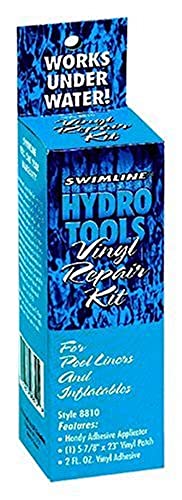
Patch kit for vinyl swimming pools
Regular Inspection
Inspect pool coping at least twice a year. Look for cracks, loose stones, or missing sections. Use a flashlight to check for hidden signs of damage. Pay attention to areas near the waterline, as these often show wear first.
Additionally, monitor the coping after severe weather events. Rain, wind, and temperature fluctuations can cause shifting or cracking. Note any issues and address them promptly to prevent further damage.
Cleaning Procedures
Clean pool coping regularly to prevent grime and algae buildup. Use a soft brush and mild detergent mixed with water. Scrub the coping gently, focusing on grooves or textured areas. Rinse thoroughly with a hose to remove all soap residue.
For stubborn stains, a solution of vinegar and water can help lift dirt without damaging the surface. Avoid abrasive cleaners or tools, as these can scratch and degrade the material.
Perform this cleaning monthly during the swimming season for best results. Keeping your pool coping clean enhances its appearance and overall durability.
Conclusion
Repairing your swimming pool coping might seem daunting but it’s totally manageable with the right approach. By staying proactive with inspections and maintenance you can keep your coping looking great and functioning well. Remember to choose the right materials for repairs and don’t hesitate to tackle issues as they arise.
Your pool is a centerpiece for relaxation and fun so investing a little time in its upkeep pays off. With these tips in hand you’re well on your way to enjoying a safe and beautiful pool area for years to come. Happy swimming!
Frequently Asked Questions
What is pool coping, and why is it important?
Pool coping is the material that borders the pool’s edge. It enhances safety by providing a non-slip surface, improves the pool’s aesthetics, and helps control water flow.
What materials are commonly used for pool coping?
Common materials for pool coping include concrete, natural stone, pavers, and tiles. Each option offers durability and various design possibilities to suit different styles.
How do I repair damaged pool coping?
To repair pool coping, assess the damage first. Depending on whether you’re dealing with cracks, loose stones, or missing pieces, select the right materials and follow specific repair processes.
How can I maintain my pool coping?
Regular inspections and cleaning are key to maintaining pool coping. Check for cracks or loose stones, especially after severe weather, and clean with mild detergent and water to prevent buildup.
What should I do about stubborn stains on my pool coping?
For stubborn stains, use a mixture of baking soda and water or a specialized cleaner. Gently scrub the area with a soft brush, ensuring not to damage the coping material.