Thinking about switching your chlorine pool to a saltwater system? You’re not alone. Many pool owners are making the switch for its numerous benefits, like softer water and lower maintenance costs.
Key Takeaways
- Understanding Chlorine Pools: Chlorine pools use various forms of chlorine to sanitize water, ensuring safety and clarity while requiring regular testing for chemical balance.
- Benefits of Saltwater Systems: Saltwater pools provide softer water, lower maintenance costs, consistent chlorine levels, reduced chemical handling, and are more eco-friendly compared to traditional chlorine systems.
- Evaluating Compatibility: Before switching, assess your pool setup for compatibility, focusing on pool size, equipment materials, and the existing sanitization system.
- Key Steps to Transition: The transition requires draining the pool, installing a compatible salt chlorine generator, and properly adding pool-grade salt to achieve the desired salinity levels.
- Regular Maintenance: To maintain your saltwater pool, regularly test water chemistry, clean debris, brush surfaces, and ensure equipment like filters and salt cells are properly maintained.
- Enhancing Experience: Switching to a saltwater system can significantly enhance your swimming experience by providing gentler water and reducing overall maintenance efforts.
Understanding Chlorine Pools
Chlorine pools utilize chlorine as the primary method for sanitizing the water. Many pool owners appreciate this system for its effectiveness in maintaining clear, clean water.
What Are Chlorine Pools?
Chlorine pools rely on chlorine tablets, granules, or liquid chlorine to disinfect the water. This process eliminates bacteria and algae while keeping the pool safe for swimmers. Regular testing of chlorine levels ensures proper sanitation and water balance. Pool owners often monitor pH levels, total alkalinity, and stabilizer levels to maintain optimal conditions.
The Benefits of Switching to Saltwater
Switching to saltwater offers several advantages. Saltwater systems use a salt chlorine generator, which produces chlorine from salt, reducing the need for purchased chlorine products. Here are some benefits:
- Softer Water: Saltwater feels gentler on the skin and eyes, making swimming more enjoyable.
- Lower Maintenance Costs: Saltwater systems typically require less frequent chemical additions, saving time and money.
- Consistent Chlorination: Generators maintain stable chlorine levels automatically, which reduces the risk of chlorine fluctuations.
- Less Chemical Handling: Handling large quantities of chlorine tablets or liquid is no longer necessary.
- Eco-Friendly Choice: Saltwater systems tend to produce less chlorine byproduct, resulting in a more environmentally friendly option.
Switching to saltwater can enhance your pool experience and streamline maintenance efforts.
Evaluating Your Pool System
Before switching from a chlorine pool to a saltwater system, evaluate your current pool setup. Proper assessment ensures a smooth transition and optimal performance.
Recommended Products

Self-Cleaning Function: The chlorination system features a self-cleaning function, which can be set to reverse polarity every 4, 8, or 12 hours to maintain efficient cleaning of the titanium cell and extend the service life of the titanium cell.

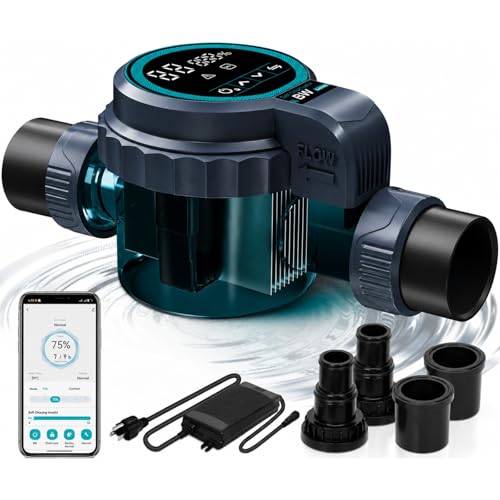
【Massive 25g/H Chlorine Output】: Convert your above-ground swimming pool into a crystal-clear oasis! With a 25g/h output, a smart saltwater chlorinator efficiently disinfects pools up to 31,700 gallons using electrolysis. Simply add food-grade sea salt (99.6% NaCl) for continuous sodium hypochlorite production—no chlorine tablets needed.
Checking Compatibility
Check if your pool structure and equipment are compatible with a saltwater system. Most fiberglass, vinyl, and concrete pools suit saltwater conversion. Inspect the following components:
- Pool Size: Confirm the salt chlorine generator matches your pool’s volume.
- Equipment Materials: Ensure filters, heaters, and pumps are corrosion-resistant. Saltwater can be harsher on certain materials.
- Existing Sanitization System: Assess how your current system operates. Some older systems may require upgrades.
Necessary Equipment Adjustments
Switching to a saltwater system often requires specific adjustments. Update or replace these components as needed:
- Salt Chlorine Generator: Install a compatible generator based on your pool’s size and usage.
- Pump and Filter: Consider upgrading to a higher-flow pump or more effective filter to handle the saltwater’s different chemical dynamics.
- Water Test Kit: Use a reliable, saltwater-specific test kit to monitor water chemistry accurately.
By evaluating your pool system and making necessary adjustments, you set the foundation for a successful transition to a saltwater environment.
Steps to Switch a Chlorine Pool to Saltwater
Transitioning to a saltwater pool involves several key steps. Follow these instructions for a smooth conversion from chlorine to saltwater.
Recommended Products

【Massive 20g/H Chlorine Output】: Convert your above-ground swimming pool into a crystal-clear oasis! With a 20g/h output, a smart saltwater chlorinator efficiently disinfects pools up to 26,500 gallons using electrolysis. Simply add food-grade sea salt (99.6% NaCl) for continuous sodium hypochlorite production—no chlorine tablets needed.
Draining the Pool
Draining the pool precedes the conversion process.
- Determine water level: Drain the pool to about one foot below the skimmer. This minimizes the amount of water you need to replace.
- Attach a pump: Use a submersible pump to remove the water efficiently. Make sure to place the discharge hose away from the pool’s foundation.
- Dispose responsibly: Follow local regulations for pool water disposal—avoid draining into storm drains if prohibited.
Installing the Saltwater Chlorinator
Installing the saltwater chlorinator is vital for maintaining water quality.
- Select the unit: Choose a salt chlorine generator compatible with your pool size.
- Turn off power: Ensure the pool’s power is off before beginning installation.
- Cut plumbing: Cut into the return line after the filter to fit the chlorinator.
- Connect fittings: Use PVC cement for a secure fit. Follow manufacturer instructions for precise measurements.
- Reconnect power: Turn on the power and test the system for leaks. Ensure the chlorinator operates correctly.
Adding Salt to the Pool
Adding salt to the pool brings the system to life.
- Choose the right salt: Use pool-grade salt, typically 99% pure. Avoid using rock salt or table salt.
- Calculate your needs: Use a salt calculator based on your pool’s size. Most pools require about 2,500 to 3,500 ppm of salt.
- Spread the salt: Pour the salt evenly across the pool surface while the pump is running. This helps with better distribution.
- Let it dissolve: Allow the salt to circulate for at least 24 hours before testing salt levels. Inadequate circulation may lead to uneven salinity throughout the pool.
By following these steps, you can effectively switch your chlorine pool to a saltwater system, enhancing your swimming experience with softer, more enjoyable water.
Maintaining Your Saltwater Pool
Maintaining a saltwater pool requires regular attention to ensure a clean, balanced, and safe swimming environment. Follow these key practices for optimal care.
Recommended Products

WHITE SALT TEST STRIPS: Tests the salt (sodium chloride) levels for pools with salt generator systems; White titrators measure levels from 400 to 7,000 ppm

WHAT IS SALTWATER POOL : Saltwater pools are some pools which can create chlorine by adding salt in the pool water. Swimming in a saltwater may be better for someone who is uncomfortable to chlorine. However,it must be maintained regularly to keep clean.
Regular Testing and Balancing
Regular testing of your pool water keeps it healthy. Test the water at least once a week for these key parameters:
- Salinity Level: Aim for 2700-3400 ppm (parts per million) for effective chlorination.
- pH Level: Keep the pH between 7.2 and 7.8. This ensures proper chlorine effectiveness and comfort for swimmers.
- Chlorine Level: Maintain a free chlorine level of 1-3 ppm. Saltwater systems typically generate chlorine, but testing helps confirm levels.
- Alkalinity: Keep total alkalinity between 80-120 ppm. This stabilizes the pH and prevents fluctuations.
Use a test kit or strips for accurate readings, and adjust chemicals as needed. Add muriatic acid to lower pH, or sodium bicarbonate to raise alkalinity.
Cleaning and Upkeep Tips
Regular cleaning is essential for a saltwater pool. Implement these maintenance tips:
- Skimming Debris: Use a skimmer net daily to remove leaves and debris from the surface.
- Brushing Walls and Floors: Brush the walls and floor weekly to prevent algae buildup and stains.
- Vacuuming: Vacuum the pool weekly. Use a manual or automatic vacuum to remove dirt and debris.
- Filter Maintenance: Clean or backwash the filter as recommended by the manufacturer, typically every 4-6 weeks.
- Salt Cell Cleaning: Inspect and clean the salt cell every 3-6 months to prevent calcium build-up and ensure efficiency.
Stay attentive to your pool’s appearance and chemistry. Address issues promptly, and enjoy a refreshing swimming experience year-round.
Conclusion
Switching from a chlorine pool to a saltwater system can transform your swimming experience. You’ll enjoy softer water and less hassle when it comes to maintenance.
Once you’ve completed the conversion and set up your salt chlorine generator, keeping your pool in top shape will be a breeze. Regular testing and maintenance will ensure your water stays clean and inviting.
Embrace the benefits of saltwater and dive into a refreshing new way to enjoy your pool. Happy swimming!
Frequently Asked Questions
What are the benefits of saltwater pool systems over chlorine pools?
Saltwater pool systems provide softer water, reduced chemical irritation, and lower maintenance costs. They use salt chlorine generators to produce chlorine naturally, leading to a more enjoyable swimming experience and easier water balance management.
How do I convert my chlorine pool to a saltwater pool?
To convert, first drain the pool partially, then install a saltwater chlorinator. After that, add the appropriate amount of salt according to your pool size, and allow it to dissolve before turning on the system to generate chlorine.
How often should I test my saltwater pool?
You should test your saltwater pool at least once a week. Regular testing ensures proper salinity, pH, chlorine levels, and alkalinity to maintain the water’s balance and overall clean environment.
What maintenance tasks are required for a saltwater pool?
Key maintenance tasks include skimming debris daily, brushing walls and floors weekly, vacuuming regularly, and maintaining the filter. Additionally, clean the salt cell as recommended to ensure optimal performance.
How do I clean the salt cell in a saltwater pool?
To clean the salt cell, turn off the pool system and disconnect the cell. Rinse it with a hose to remove debris, then soak it in vinegar or a manufacturer-recommended cleaning solution to remove calcium buildup. Rinse again and reconnect it before restarting the system.