Have you ever wondered if swimming in a pool with high chlorine levels is safe? You’re not alone. Many people enjoy the refreshing feel of a pool but worry about the effects of chlorine on their skin and health.
Chlorine keeps pools clean and free of harmful bacteria, but too much of it can raise concerns. This article will help you understand the risks associated with high chlorine levels and what you can do to protect yourself while enjoying your swim. By the end, you’ll feel more confident about diving into that sparkling water.
Key Takeaways
- Chlorine’s Role: Chlorine is essential for pool maintenance, effectively killing harmful bacteria and keeping the water safe for swimming.
- Ideal Chlorine Levels: Maintaining chlorine levels between 1-3 parts per million (ppm) is crucial for minimizing health risks while ensuring proper sanitization.
- Health Risks of High Chlorine: Excessive chlorine can lead to respiratory issues, skin irritations, eye discomfort, headaches, and nausea for swimmers.
- Monitoring and Testing: Regular testing of chlorine levels allows swimmers to enjoy safer pool conditions and reduce the risk of adverse health effects.
- Alternatives Exist: Consider saltwater or other sanitizing methods (like UV systems, ozone treatments, and mineral systems) to minimize chlorine exposure and enhance the swimming experience.
Understanding Chlorine in Pools
Chlorine plays a crucial role in pool maintenance, but excessive amounts can raise concerns about safety. Here’s what you need to know about chlorine in your swimming pool.
Recommended Products
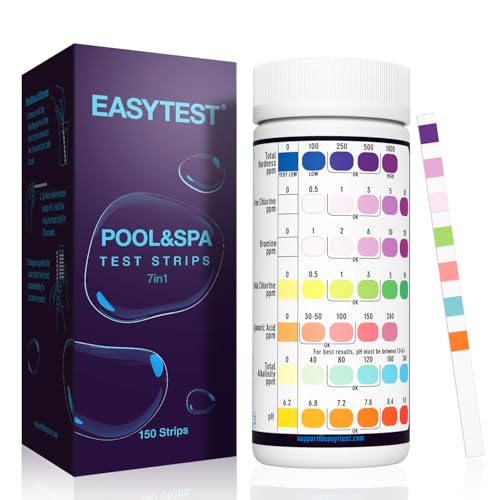
AFFORDABLE 150 STRIPS: This water chemical testing kit contains 150 test strips. Enough balanced for your swimming pool, hot tub, spa and other water testing. At least testing twice a week is recommended to keep your pool sparkling clean and safe.

Reliable Results In Seconds – Everything you need to test your pool or spa is conveniently packaged in the handy storage case, including a comparator to mix samples, and 8 easy-to-use reagents for 6 common water test parameters for DPD testing: Free & Total Chlorine, Bromine, pH, Acid Demand, and Total Alkalinity.

Chlorine Test Kit: Equipped water quality chart with scientifically calibrated high-resolution colorimetric cards. The color blocks are clearly distinguishable, numerical values are clearly marked. Say goodbye to vague guesses. Whether you are an elderly person or a novice, you can easily and accurately take readings, ensuring that every water quality judgment you make is reliable and accurate.
What Is Chlorine?
Chlorine is a chemical element, essential in disinfecting water. It effectively kills harmful bacteria, viruses, and other pathogens. When used in pools, chlorine can exist in several forms, including liquid chlorine, chlorine tablets, and granular chlorine. Each form offers specific benefits:
- Liquid Chlorine: Quick to dissolve, suitable for fast treatment.
- Chlorine Tablets: Easy to use, provide a slow release for consistent sanitization.
- Granular Chlorine: Versatile for various applications and quick dissolving.
Knowing these forms helps you choose the right option for maintaining your pool.
The Role of Chlorine in Pool Maintenance
Chlorine ensures your pool remains clean and safe. Regular chlorination prevents algae growth and bacteria buildup. Key aspects of chlorine’s role in pool maintenance include:
- Sanitization: Chlorine effectively neutralizes contaminants.
- Oxidation: Breaks down organic materials, such as sweat and skin cells.
- pH Balance: Helps maintain stable pH levels, enhancing water clarity and comfort.
Testing chlorine levels routinely ensures they fall within the recommended range of 1-3 parts per million (ppm). Maintaining this range minimizes adverse effects on your skin and eyes while maximizing safety.
Effects of High Chlorine Levels
High chlorine levels in pools can lead to several health and comfort issues. Knowledge of these effects helps you make informed choices about swimming in chlorinated water.
Health Impacts on Swimmers
Excess chlorine can cause respiratory problems. When breathing in chlorinated air, you might experience irritation in your throat and lungs. Sensitive individuals, like those with asthma, may see worsening symptoms. Skin and eye irritation also occur frequently. Chlorine can dry out your skin and cause rashes, while red, itchy eyes result from exposure to high levels of chlorine. Beyond irritation, prolonged exposure may lead to more severe skin issues and increased sensitivity to allergies.
Symptoms of Chlorine Exposure
Symptoms of chlorine exposure can vary. Common signs include:
- Coughing: An effect of inhaling chlorinated air, which feels harsh and irritating.
- Burning Eyes: A direct result of contact with over-chlorinated water.
- Dry Skin: Often manifests as itchiness or a rash after swimming.
- Headaches: Chlorine fumes can trigger headaches in some individuals.
- Nausea: Swimmers may feel nauseated from inhaling concentrated chlorine vapors.
Monitoring chlorine levels can minimize these symptoms. If you notice discomfort, consider swimming in pools with balanced chlorine levels.
Safety Guidelines for Swimming in High Chlorine Pools
Swimming in pools with high chlorine levels poses certain risks. Following these safety guidelines can help ensure a more enjoyable and less harmful experience.
Recommended Products
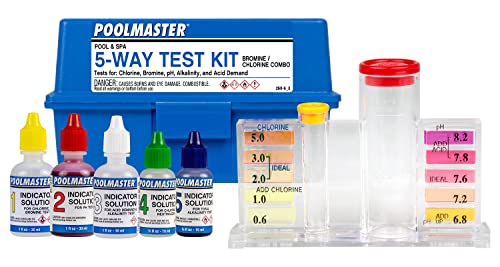
5-WAY WATER TESTING: Accurately tests chlorine, bromine, pH, acid demand, and total alkalinity to help maintain clean, balanced pool and spa water

3-Way Water Test Kit: Save both time and money with these convenient refill packs designed specifically for your 3-way test kit. Ensure you always have the supplies you need on hand for accurate and hassle-free water testing.
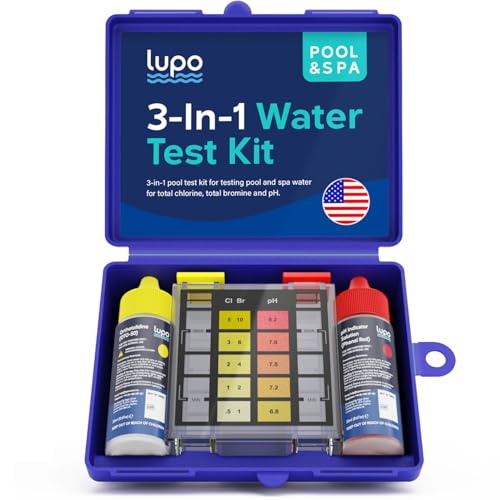
3-IN-1 POOL TESTING KIT: An easy-to-use, accurate pool test kit for testing three essential water quality parameters in residential pools and spas: Total Chlorine, Total Bromine, and pH. Includes enough reagents for 100 tests, helping keep your water safe, clean, balanced, and ready to use anytime.
Recommended Chlorine Levels
Chlorine levels in pools should ideally stay between 1-3 parts per million (ppm). This range effectively disinfects the water while minimizing the risk of irritation. Regularly testing chlorine levels with a pool test kit provides peace of mind. Adjusting levels may involve adding water or using pool chemicals to balance them out. Always check after heavy usage or after rain, as these factors can impact chlorine stability.
Signs of Unsafe Chlorine Levels
Recognizing the signs of unsafe chlorine levels is crucial. Symptoms of high chlorine exposure include:
- Respiratory Issues: If you experience coughing or shortness of breath while swimming, it might indicate excessive chlorine.
- Skin Irritation: Rash, itchiness, or dryness on your skin commonly results from high levels.
- Eye Discomfort: Red or stinging eyes signal that chlorine concentrations are too high.
- Headaches and Nausea: Persistent headaches or feelings of nausea may also stem from swimming in chlorinated water that’s beyond safe levels.
If you encounter any of these symptoms, it’s wise to leave the pool immediately and seek a lower-chlorine environment. Regular monitoring and prompt action can prevent lasting discomfort.
Alternatives to Chlorine Pools
Several alternatives to traditional chlorine pools exist, providing effective sanitation while minimizing potential discomfort. Exploring these options can enhance your swimming experience.
Recommended Products

【Premium Saltwater Pool System】Designed for expansive pools up to 26,500 gallons, the salt chlorine generator uses advanced electrolysis technology automatically converts salt to chlorine, cuts chlorine costs by 50% vs traditional methods. Delivers silky-soft, irritation-free water while eliminating harsh odors. Ideal for creating a healthy, worry-free swimming environment

INTELLIGENT MONITORING AND PROTECTION: The Westaho salt pool system features an advanced intelligent control panel, displaying key information like salt levels, pool water temperature, total cell usage time, cell operating voltage, and current. This ensures you're always aware of your pool's health. It also includes low water temperature protection, automatically shutting down below 52°F to extend cell lifespan and care for your pool

Saltwater Pools
Saltwater pools use a salt chlorine generator, converting salt into chlorine through electrolysis. This process maintains lower chlorine levels, typically around 0.5-1.0 ppm, which is gentler on your skin and eyes. Saltwater pools foster a more pleasant swimming experience, reducing the harshness of chemical odors associated with chlorinated pools. Additionally, you can enjoy a smoother feel in the water, making it a popular choice among swimmers.
Other Sanitizing Methods
Other sanitizing methods include the following options:
- UV Systems: Ultraviolet (UV) light systems neutralize bacteria and other microorganisms, offering an effective sanitizing solution. This method works without adding chemicals, reducing the likelihood of irritation.
- Ozone Treatments: Ozone systems produce ozone gas that purifies pool water. Ozone’s strong oxidizing properties kill pathogens effectively while minimizing chlorine usage.
- Mineral Systems: Mineral sanitizers utilize minerals like silver and copper to inhibit bacterial growth. These systems lower chlorine requirements and enhance water quality.
Each method presents distinct benefits and may improve your overall swimming experience while maintaining safety.
Conclusion
Swimming in a high chlorine pool can be safe if you follow the right guidelines. It’s all about finding that perfect balance to keep the water clean without causing discomfort.
If you’re concerned about chlorine levels or skin irritation consider exploring alternative sanitation methods. Saltwater pools or UV systems might be worth checking out for a more enjoyable swim.
Ultimately your comfort and safety in the water should always come first. Enjoy your time swimming and remember to prioritize your health!
Frequently Asked Questions
What is the importance of maintaining chlorine levels in swimming pools?
Maintaining proper chlorine levels in swimming pools is crucial for safety, as it helps kill harmful bacteria and ensures the water is clean. Regular testing allows pool owners to adjust chlorine levels, preventing infections and promoting a pleasant swimming experience.
What are the different forms of chlorine used in pools?
The main forms of chlorine used in pools include liquid chlorine, granular chlorine, and chlorine tablets. Each type has its benefits, such as ease of use and stability, but all serve to sanitize the water effectively.
What are the effects of high chlorine levels in pools?
High chlorine levels can lead to skin irritation, red eyes, and respiratory issues. It may also cause damage to pool equipment and surfaces. Regular monitoring is essential to avoid these problems and ensure a safe swimming environment.
What alternatives to traditional chlorine pools are there?
Alternatives to traditional chlorine pools include saltwater systems, UV sanitation, ozone treatments, and mineral systems. These options often provide effective sanitation while reducing discomfort associated with high chlorine levels, enhancing the overall swimming experience.
How can I test chlorine levels in my pool?
You can test chlorine levels using test strips, liquid test kits, or digital testers. Regular testing, ideally once a week, helps ensure safe swimming conditions by allowing you to adjust chlorine levels as needed based on the readings.