Wondering if you should cover your inground pool for the winter? You’re not alone. Many pool owners face this decision as the colder months approach. Leaving your pool uncovered can lead to a host of issues, from debris buildup to potential damage from freezing temperatures.
Covering your pool can save you time and money in the long run. It helps maintain water quality and reduces maintenance efforts come spring. In this article, you’ll find practical tips and insights to help you decide whether covering your pool is the right choice for you. Let’s explore the benefits and considerations so you can enjoy a worry-free winter.
Key Takeaways
- Covering Your Pool is Beneficial: Protects against debris, maintains water quality, and extends the lifespan of the pool and its components.
- Consider Local Climate: Analyze your regional weather; colder climates often require a cover to prevent freezing and debris accumulation.
- Know Your Pool Type: Different pool materials (vinyl, fiberglass, concrete) have varying needs for winter protection; tailor your approach accordingly.
- Choose the Right Cover: Options like mesh, solid, and automatic covers each have unique features and benefits; select one that suits your maintenance preferences.
- Proper Maintenance is Essential: Regularly check and maintain the cover and winterize the pool to ensure optimal condition for spring reopening.
Understanding Pool Winterization
Winterizing your inground pool is crucial for maintaining its condition during colder months. Covering the pool effectively protects it from harsh weather and debris.
The Purpose of Covering Your Pool
Covering your pool serves multiple purposes. It prevents debris, like leaves and twigs, from entering the water, which can cause contamination. It also protects the pool’s surface from damage caused by ice formation. A cover adds a safety layer, minimizing accidental entries by children or pets.
Benefits of Covering Your Pool
Covering your pool provides several key benefits:
- Maintains Water Quality: A cover keeps the water cleaner by blocking sunlight, which inhibits algae growth and reduces the need for chemicals.
- Saves Time: Spring opening time decreases since there’s less cleaning and balancing of chemicals required.
- Protects Equipment: Covers shield pump and filter systems from freezing temperatures and damage.
- Reduces Heating Costs: If you heat your pool during the off-season, a cover retains warmth, saving energy and costs.
- Lengthens Lifespan: Protecting your pool from debris and extreme weather extends the life of the liner and other components.
By understanding these aspects of pool winterization, you can make an informed decision about covering your inground pool for the winter months.
Factors to Consider
When deciding whether to cover your inground pool for the winter, several factors come into play. Evaluating these aspects can help you make the best choice for your pool’s health and maintenance.
Recommended Products

Anchors In-Ground Pool Covers: These 8-ft double pool water bags anchor in-ground winter covers in place to resist wind lift and stop debris buildup; keeping the cover secure reduces the risk of slips and accidental falls, helping the pool area stay safer for families

Anchors In-Ground Pool Covers: These 10-ft double pool water bags anchor in-ground winter covers in place to resist wind lift and stop debris buildup; keeping the cover secure reduces the risk of slips and accidental falls, helping the pool area stay safer for families

Pacakege include: You will receive 20 x pool cover spring sleeves only (not include springs). Sufficient quantity to meet your daily use and replacement needs.
Local Climate and Weather Conditions
Assess your local climate and weather patterns. If you experience heavy snowfall or freezing temperatures, a cover will provide protection from ice and debris. For warmer areas, where winters are milder and less harsh, a cover may not be as critical. Monitor forecasts in your area and consider how often you deal with severe winter conditions.
Pool Type and Construction
Evaluate your pool type and construction materials. Vinyl-lined pools often need covers more than fiberglass or concrete pools, which may withstand winter elements better. If your pool features significant landscaping around it, consider how leaves and debris can impact maintenance. Different pool types require various approaches to winter care, so tailor your solution based on the specifics of your pool.
Types of Pool Covers
Choosing the right pool cover is essential for winterizing your inground pool effectively. Different types of pool covers offer unique benefits and drawbacks. Here’s a closer look at the three main types.
Recommended Products

Extra Heavy Duty XL Mesh winter pool cover for 20 x 40 ft. in-ground pools. This pool cover has a 5 foot overlap, which is the material included beyond the pool size, making this pool cover easier to install. Since 1973 Robelle has been offering the best pool covers for pool owners. This cover has more than twice as much overlap as other brands, making it the easiest pool cover to install. Including overlap, the cover size is: 25 x 45 feet.
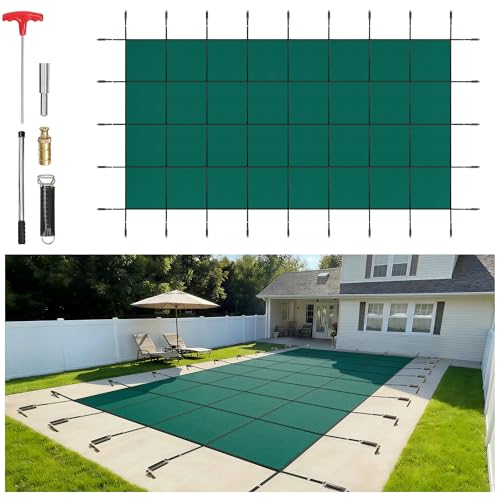
22 x 42 ft Cover for 20 x 40 ft Inground Pools: VEVOR pool safety cover measures 22 x 42 ft and is designed to fit 20 x 40 ft rectangular inground pools, providing about 1 ft of overlap around each side for secure installation. Please measure your pool before ordering. This inground pool cover is ideal for residential, backyard, garden, and hotel swimming pools

Pool Safety Covers for Inground Pools–This Inground Pool Safety Cover size 18x34ft,fits rectangular pools size:16x32ft, with 2ft extra coverage for tight edge sealing, eliminating gaps that risk accidental falls. Measure pool dimensions before ordering for a perfect fit
Mesh Pool Covers
Mesh pool covers allow rainwater and melted snow to drain through while keeping debris out. These covers are lightweight and typically easy to install. They prevent algae growth, leading to less chemical usage when spring arrives. However, they may require additional cleaning after winter.
Solid Pool Covers
Solid pool covers create a waterproof barrier, blocking sunlight and stopping debris from entering the pool. These covers provide excellent protection against algae and help maintain water quality. Solid covers are heavier and may require extra support to handle rainwater accumulation. Be prepared to pump off excess water to prevent damage to the cover.
Automatic Pool Covers
Automatic pool covers offer convenience and ease of use. With a simple push of a button, you can cover or uncover your pool. These covers save time on maintenance and provide added safety. They are typically more costly to install, but their durability and automation can justify the initial investment, especially for frequent users. Keep in mind that maintaining the motor and cover mechanism is essential for longevity.
Maintenance During Winter
Keeping your inground pool in good shape during winter requires proper maintenance. Regular attention prevents damage and prepares your pool for spring.
Recommended Products

Save Your Time: The 75W Lnicez submersible water pump with a flow rate of up to 950GPH is designed to be a convenient and affordable drainage solution. It drains water 2 times faster than other sump pumps, which saves you time and energy. The sump pump submersible is ideal for pool covers and in-ground pools.

Clears Standing Water Fast: This pool draining pump runs at 350 GPH to clear typical rain accumulation or snowmelt from a pool cover in minutes, keeping the cover taut and protected all season

𝟮-𝗶𝗻-𝟭 𝗣𝗼𝗼𝗹 𝗖𝗼𝘃𝗲𝗿 & 𝗨𝘁𝗶𝗹𝗶𝘁𝘆 𝗣𝘂𝗺𝗽: Quick-detach base lets you switch from pool cover pump to submersible utility pump in seconds. 1/3 HP pump delivers 2790 GPH (30 ft lift) – handles both jobs with no extra equipment needed
Winterizing Your Pool
Winterizing your pool involves several key steps. Start with a thorough cleaning, removing leaves and debris from the water and surfaces. Balance the pool’s chemistry by adjusting pH, alkalinity, and chlorine levels. Lower the water level to below the skimmer, and add winterizing chemicals. Finally, blow out the plumbing lines to remove any remaining water, preventing freezing and cracking.
Caring for the Cover
Caring for your pool cover ensures it remains effective throughout winter. Regularly check for debris accumulation on the cover. Clean it off to prevent rotting or mold growth. If you have a solid cover, ensure water doesn’t pool on top. Use a cover pump if necessary. Also, inspect straps and anchors for damage, replacing any worn components to maintain a snug fit.
Conclusion
Covering your inground pool for the winter is a smart move that can save you time and money in the long run. By choosing the right cover and following the necessary winterization steps you’ll protect your investment from the elements and ensure a smoother reopening come spring.
Remember to assess your local climate and consider the type of cover that best suits your needs. With a little care and attention during the winter months your pool will be ready for fun and relaxation when the warm weather returns. So go ahead and make that decision to cover your pool—you’ll be glad you did!
Frequently Asked Questions
Why is it important to winterize an inground pool?
Winterizing your inground pool protects it from harsh weather and debris. This process helps maintain water quality, reduces maintenance time, and prevents equipment damage. Proper winterization can also save on heating costs and extend the lifespan of your pool.
What are the benefits of using a pool cover?
Pool covers help maintain water quality by keeping debris out, reduce maintenance time by minimizing cleaning, and protect equipment from damage. They can also cut heating costs and prolong the pool’s lifespan, making them a wise investment.
What factors should I consider when choosing a pool cover?
When choosing a pool cover, consider your local climate, the type and construction materials of your pool, and your winter maintenance needs. These factors will help you select a cover that offers the best protection and efficiency for your specific circumstances.
What are the different types of pool covers?
There are three main types of pool covers: Mesh Pool Covers, Solid Pool Covers, and Automatic Pool Covers. Mesh covers allow water to pass through while blocking debris, solid covers create a barrier against everything, and automatic covers provide convenience with ease of use.
How do I properly winterize my pool?
To winterize your pool, start by cleaning it, balancing the water’s chemistry, and lowering the water levels. Next, add winterizing chemicals and blow out plumbing lines. Following these steps helps ensure your pool is ready for winter and safe from damage.
How do I care for my pool cover?
To care for your pool cover, regularly check for accumulated debris and ensure water isn’t pooling on solid covers. Also, inspect straps and anchors for any signs of damage. Proper maintenance helps maintain its effectiveness and extends its lifespan.