Have you ever wondered if you should leave your pool heater on all the time? You’re not alone. Many pool owners face this dilemma, especially when they want to enjoy a warm swim without the hassle of constantly adjusting the temperature.
Leaving your pool heater on can seem convenient, but it raises questions about energy costs and efficiency. This article will help you weigh the pros and cons, so you can make an informed decision that fits your lifestyle and budget. Whether you’re a casual swimmer or a dedicated pool enthusiast, understanding how to manage your pool heater can lead to a more enjoyable experience.
Key Takeaways
- Understand Your Heater Types: Familiarize yourself with different pool heaters (gas, electric, heat pumps, and solar) to choose the most efficient option for your needs.
- Weigh the Pros and Cons: Leaving your pool heater on provides conveniences like consistent warm water and reduced heating time, but also leads to higher energy costs and increased wear on equipment.
- Use a Pool Cover: Using a pool cover can significantly reduce heat loss and keep the water warm, making it a smart strategy for energy savings.
- Monitor and Adjust Heating Based on Weather: Be proactive by reducing the heater’s temperature during warm periods to save on energy consumption.
- Schedule Heater Usage: Setting timers for your pool heater allows you to heat the water only when needed, helping to manage costs effectively without sacrificing comfort.
Understanding Pool Heaters
Pool heaters play an essential role in maintaining a comfortable swimming environment. They warm the water, ensuring pleasant temperatures for swimming, regardless of the weather. Here’s a closer look at how these systems function and some considerations when deciding to keep them on.
Recommended Products

All-Season Pool Comfort: Featuring innovative dual-mode temperature control, this heat pump precisely heats water between 41–104°F or cools it within 41–83°F. By maintaining consistent thermal regulation, it extends swimming seasons by up to 6 months while delivering year-round comfort for pool enjoyment.

Extend Your Swim Season: The pool heat pump features a dual-mode heating and cooling system that maintains optimal water temperatures year-round. Precision control ensures heating from 47–104℉ and cooling from 47–83℉, allowing you to enjoy extended swimming sessions through autumn’s crisp chill and spring’s cool mornings.

All-Season Pool Comfort:Featuring innovative dual-mode temperature control, this heat pump precisely heats water between 41–104°F or cools it within 41–83°F. By maintaining consistent thermal regulation, it extends swimming seasons by up to 6 months while delivering year-round comfort for pool enjoyment.
Types of Pool Heaters
- Gas Heaters: Gas heaters use natural gas or propane. They heat water quickly, making them ideal for occasional use.
- Electric Heaters: Electric heaters are more energy-efficient but may take longer to warm the pool. They perform well in areas with moderate temperatures.
- Heat Pumps: Heat pumps extract heat from the surrounding air. They work best in warmer climates and are highly efficient for long-term use.
- Solar Heaters: Solar heaters harness energy from the sun, making them eco-friendly and cost-effective. However, their efficiency depends on sunlight availability.
Advantages of Leaving the Heater On
- Consistent Temperature: Keeping the heater on ensures the pool remains at a desired temperature, so it’s ready for use anytime.
- Reduced Heating Time: A continuously heated pool saves time when you decide to swim, eliminating the wait for the water to warm up.
- Comfort for Kids and Guests: A warm pool invites more frequent use, especially for children and guests, enhancing your pool’s enjoyment.
Disadvantages of Leaving the Heater On
- Higher Energy Costs: High energy consumption can lead to increased utility bills. This aspect is crucial for budget-conscious owners.
- Wear on Equipment: Constant operation may lead to more wear and tear on the heater, potentially increasing maintenance costs.
- Environmental Impact: Leaving your heater on contributes to energy consumption, which may not align with environmentally friendly practices.
- Use a Pool Cover: A cover minimizes heat loss, helping maintain temperature with less energy use. This is particularly useful during cooler nights.
- Monitor Ambient Temperature: Adjust heating based on the weather. Turn it down during warm periods to save energy.
- Schedule Heating Times: Set timers for your heater. Heating the pool only when you plan to use it can drastically reduce costs.
Understanding these facets of pool heaters allows for better management and enjoyment of your swimming pool, aligning comfort level with cost efficiency.
Pros of Leaving Pool Heater On
Keeping the pool heater on provides several distinct advantages for pool owners. These benefits enhance the swimming experience and contribute to better pool management.
Consistent Water Temperature
Maintaining a consistent water temperature makes your pool more inviting. When the heater stays on, you eliminate the discomfort of cold water. This consistency allows for spontaneous swims, as you won’t need to wait for the water to warm up. For example, if the ambient temperature drops at night, your water remains warm and enjoyable for evening swims.
Reduced Heating Time
Leaving the heater on drastically reduces the time needed to heat your pool when you’re ready to swim. A heated pool can take hours or even days to reach a comfortable temperature, depending on the size and type of heater. If you leave the heater on, you step into warm water right away. For instance, with a pool heater running continuously, a gas heater may keep the water at a cozy 80°F without extra effort, letting you enjoy the pool at a moment’s notice.
Cons of Leaving Pool Heater On
Leaving your pool heater on continuously can lead to several drawbacks that may impact your finances and the heater’s longevity.
Recommended Products

Solar heater mat uses solar technology to increase the temperature of the pool water by approximately 5 to 9 degrees depending on the weather

[Safe & Durable Construction]: This immersion heater is encased in a sturdy 304 stainless steel protective shell, designed to keep heating components isolated from external contact. To ensure safety and prolong product life, we recommend limiting continuous operation to 3 hours and always unplugging the unit when not in use

【Compatibility with MiniMax NT】Designed exclusively for Pentair MiniMax NT Series pool and spa heaters, this 472100 replacement temperature controller board ensures a perfect fit and seamless integration, restoring your heating system to peak performance.
Increased Energy Costs
Leaving the heater running raises energy consumption significantly. For gas heaters, the average cost can reach $200 to $400 per month during peak usage, depending on local rates. Electric heaters typically consume 3 to 5 kWh per hour. This added expense can make a substantial dent in your utility bills, especially during colder months when you might prefer to heat the pool constantly. To minimize costs, consider using a heater on demand or scheduling heating times.
Potential Wear and Tear
Constant operation of the pool heater results in increased wear and tear on its components. For example, heat pumps and gas heaters may experience more frequent breakdowns with continuous use. This can lead to higher repair costs and a shortened lifespan of the equipment. Regular maintenance also becomes more crucial; neglecting this can exacerbate issues. Limiting the heater’s operational time can help extend its lifespan and reduce the risk of costly repairs.
Alternatives to Leaving Heater On
You can manage your pool’s temperature while saving energy by exploring a few effective alternatives to leaving the heater on all the time.
Recommended Products

Bubble-side Down: When using, you need to put the bubble side of the solar blanket for hot tubs close to the water surface, with the smooth side facing up, which can also play a role in preventing dust, reducing condensation and freezing on the edge. (Tips: The cover may have creases from folding. Lay it flat and place heavy objects on top for a few hours to help it flatten out)

EASY TO USE – Simply lay the Solar Pool Cover flat on top of your INTEX pool and let the air bubbles absorb and transfer sun heat into the pool water
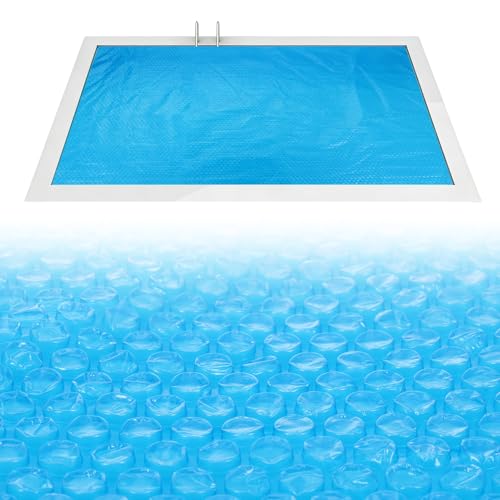
Perfect Fit for Small Rectangular Pools – Measures 9.8 x 6.5 feet (approx. 300 x 200 cm), specifically sized for above-ground rectangular pools, easy to trim for custom fit.
Using a Pool Cover
Using a pool cover keeps your pool warmer. A cover reduces heat loss by up to 70%. When the pool is not in use, cover it to trap warmth. Not only does this minimize heating time, but it also keeps debris out, reducing cleaning efforts. Choose a durable, insulated cover for the best results. Protecting your pool in this way prevents temperature drops during chilly nights.
Programming a Timer
Programming a timer for your pool heater adds convenience and efficiency. Set the timer to heat the pool only when you’ll use it. For instance, if you plan to swim in the evening, program it to start heating a few hours earlier. Most modern heaters come equipped with built-in timers, making adjustments easy. This method lowers energy consumption and extends the lifespan of your heater, keeping overall costs down.
Conclusion
Deciding whether to leave your pool heater on all the time comes down to balancing comfort and cost. While a consistently warm pool is inviting it can also lead to higher energy bills and potential wear on your equipment.
By using a pool cover and setting a timer you can enjoy a comfortable swim without breaking the bank. These simple strategies not only help you save money but also extend the life of your heater.
Ultimately it’s about finding what works best for you and your swimming habits. Happy swimming!
Frequently Asked Questions
Should I keep my pool heater on continuously?
Keeping your pool heater on continuously can maintain a warm swimming temperature but may lead to higher energy costs and wear on your equipment. It’s essential to balance comfort with efficiency.
What are the benefits of consistent pool water temperature?
Consistent water temperature provides a more comfortable swimming experience, reduces the time needed to heat the pool, and can enhance enjoyment for users, especially during cooler months.
How can I reduce heat loss from my pool?
Using a pool cover can reduce heat loss by up to 70%. It helps maintain temperature and minimizes energy usage, making your pool more efficient.
What are some alternatives to leaving my pool heater on?
Alternatives include using a pool cover to retain heat and programming a timer. This allows you to heat the pool only when needed, saving energy and prolonging the heater’s lifespan.
How does pool heater management save energy?
Effective management, such as covering the pool and monitoring temperature, prevents unnecessary heating, reducing energy consumption and helping you save money on utility bills while maintaining a pleasant swimming environment.