Ever looked at your pool and wondered what those tiny bugs are doing swimming around? You’re not alone. Many pool owners find themselves puzzled by these little critters that seem to appear out of nowhere.
Key Takeaways
- Common Pool Bugs: Recognize common swimming insects like water boatmen, backs swimmers, and caddisfly larvae, each with distinct features and ecological roles.
- Attractants: Bugs are often drawn to pools due to nearby water sources and favorable environmental conditions, such as warm weather and stagnant water.
- Preventative Measures: Regular maintenance and cleaning practices, like vacuuming and inspecting filters, are key to reducing bug presence in pools.
- Chemical Balance: Maintaining proper pH levels and regular chlorination helps create an inhospitable environment for bugs and minimizes algae growth.
- Identification Tips: Learn to identify swimming bugs by their visual characteristics, swimming styles, and feeding habits to manage their presence effectively.
Common Types Of Bugs Found In Pools
You might spot several common bugs swimming in your pool. Each bug has unique characteristics and behaviors that help identify them.
Recommended Products

Eye-Catching & Fully-Waterproof Design: The Boat built-in LED light stripes along with the full hull , making it stand out on the water and creates great visibility for nighttime driving. The upgraded cover and robust buckle provides great water-resistant and easy installation.

No More Taking Turns—Race Together Right Out of the Box: This 2-pack set includes 2 RC boats and 2 independent 2.4GHz remotes, so kids can race side by side with less signal interference. With up to 164 ft control range, it’s built for sibling competitions, parent-kid races, and instant family fun on pool days.

3-in-1 Amphibious RC Car - Land, Water & Battle Mode: Conquer any terrain with this all-terrain rc boat! Drive seamlessly on land, glide across water, or engage in exciting water-spraying battles. Its waterproof design makes it perfect for pools, lakes, beaches, mud, and even snow
Water Boatmen
Water boatmen are small, oval-shaped aquatic insects. They typically measure about 1/2 to 3/4 inch in length. Their bodies are usually brown or green, allowing them to blend into the water. Water boatmen swim with a distinct rowing motion using their long hind legs. They are harmless and even help control algae by feeding on it, making them beneficial for your pool’s ecosystem.
Backswimmers
Backswimmers are easily recognizable by their unique swimming style. These insects are about 1/2 inch long and have a distinct light brown or green color with a flat body. They swim beneath the water’s surface on their backs. Backswimmers can deliver a painful bite if disturbed, so avoid touching them directly. Their diet mainly consists of other insects, helping to maintain a balanced environment in your pool.
Caddisfly Larvae
Caddisfly larvae are often mistaken for other pool bugs due to their small size, typically around 1/4 inch long. They appear as small, worm-like creatures often found clinging to pool walls or debris. Their bodies are usually covered in a small shell made of various materials such as sand or plant matter. Caddisfly larvae are harmless and play a role in the aquatic food web, serving as food for fish and other insects. Regular cleaning helps manage their presence, keeping your pool clean and inviting.
Causes Of Bugs Swimming In Pools
Bugs swimming in your pool can result from various factors. Understanding these causes helps in managing and preventing their presence.
Nearby Water Sources
Nearby water sources often attract bugs to your pool. Ponds, streams, or even decorative water features can serve as breeding grounds for insects. For example, stagnant water provides ideal conditions for mosquitoes. When these insects seek out new habitats, your pool becomes an inviting option. Ensure you eliminate any standing water around your property to reduce their appeal.
Environmental Conditions
Environmental conditions significantly influence bug activity in pools. Warm temperatures and sunlight encourage insect presence, as many bugs thrive in such climates. Additionally, the chemical balance in the water impacts bugs’ attraction. Poorly maintained pools may develop algae, attracting algae-eating insects like water boatmen. Regular maintenance, including proper water circulation and chemical treatment, helps create an environment less conducive to bug infestations.
Preventing Bugs In Your Pool
Keeping bugs out of your pool requires diligence and attention to detail. You can take several practical steps to minimize these unwanted insects.
Recommended Products

[STRONG MOTOR & POWERFUL SUCTION] Enhulk pool vacuum offers increased vacuum suction with a 20V 40W strong motor design engineered for quick & efficient debris pick-up; Max flow rate is up to 4200L/h. Ideal for a variety of cleaning: leaves, debris, and sand in the swimming pool and hot tub or Spa.Please clean the machine in time after use for extending the time of machine.
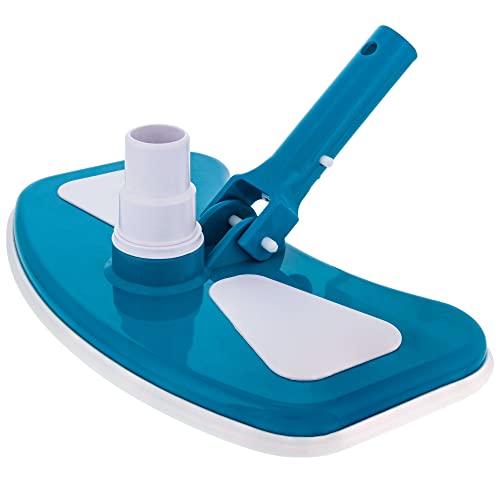
Premium quality, durable deluxe weighted butterfly 12" pool vacuum head with a swivel connection that accepts standard 1-1/4" and 1-1/2" vacuum hoses. Excellent for use in above-ground & in-ground swimming pools.
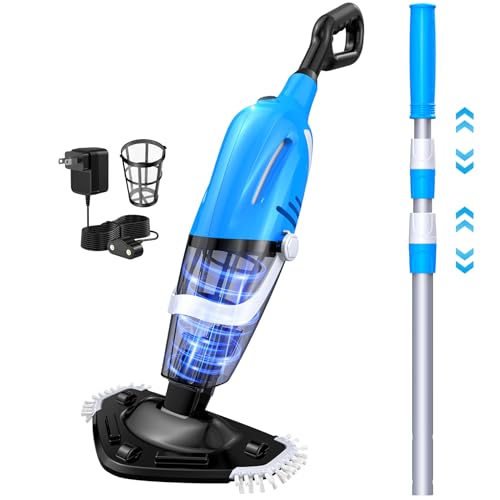
2X the Suction Power: Tired of cleaners that leave debris behind? Engineered with strong motor, this pool vacuum for above ground pool delivers twice the raw suction of standard models, effortlessly lifting small leaves, sand, tiny pebbles, and even algae.*Tip: Optimized for small to medium debris (max 33mm/1.3in), for large objects, please choose PureSwirlz Pool Leaf Vacuum(ASIN: B0GMFPV4VD)
Regular Pool Maintenance
Regular maintenance is essential to prevent bugs in your pool.
- Clean Weekly: Brush the walls and floor of the pool weekly. Scrubbing prevents algae buildup, which attracts bugs.
- Vacuum Thoroughly: Use a pool vacuum to remove debris and organic matter. It reduces places where bugs can thrive.
- Check Filters: Clean and replace pool filters routinely. Clogged filters can allow bugs to accumulate in the water.
- Inspect Surroundings: Trim back nearby vegetation. Trees and shrubs provide shelter for insects, making pools more attractive to them.
Chemical Treatments
Chemical treatments help maintain a balanced pool environment that discourages bugs.
- Maintain pH Levels: Keep pH levels between 7.2 and 7.8. A balanced pH discourages algae growth, a common bug attractant.
- Chlorinate Regularly: Use chlorine or alternative sanitizers consistently. This keeps harmful bacteria at bay and creates an inhospitable environment for bugs.
- Shock the Pool: Shock your pool with chlorine after heavy use or rain. This process eliminates algae and bacteria that can draw in insects.
- Monitor Chemical Levels: Test chemical levels weekly. Maintaining the right balance gives you a clean pool and minimizes bug presence.
Implementing these practices consistently creates a less inviting environment for bugs, ensuring your pool remains a refreshing oasis.
Identifying The Bugs
Identifying the bugs swimming in your pool requires attention to their visual characteristics and behavior patterns.
Recommended Products

20PCS HEAVY DUTY UVlabels. Includes: 5pcs ARROWS, 2pcs SKIMMER, 1PCS MAIN DRAIN, 1PCS CLEANER, 1PCS HEATER, 1PCS RETURN, 1PCS POOL SUCTION, 1PCS WATER FEATURE, 1PCS SPA DRAIN, 1PCS POOL DRAIN, 1PCS SPA SUCTION, 1PCS POOL RETURN, 1PCS SPA RETURN, 1PCS SPA BYPASS.

Durable outdoor grade material & printing

Durable outdoor grade material & printing
Visual Characteristics
- Water Boatmen: Look for an oval shape with a brown or green hue. They measure about 0.5 to 0.75 inches long and have long, paddle-like legs that help them swim.
- Backswimmers: Identify them by their elongated bodies and distinct white belly. They range from 0.5 to 0.75 inches in length and usually appear dark brown or black on top.
- Caddisfly Larvae: These larvae typically exhibit a soft body encased in small twigs or debris, measuring between 0.25 to 1 inch. They might vary in color from green to brown, depending on their surroundings.
- Midge Larvae: Recognizable by their small, slim bodies, midge larvae usually appear in shades of green or brown. They measure about 0.1 to 0.4 inches long, often found in clusters.
- Swimming Style: Water boatmen swim swiftly on their backs, while backswimmers propel themselves through the water with their legs and often swim on their bellies.
- Feeding Habits: Caddisfly larvae often feed on organic matter and debris in the water, while midge larvae feed on algae and bacteria. This feeding behavior tends to be more pronounced in warm conditions.
- Activity Levels: Bugs typically become more active during warm daylight hours, making them easy to spot. In cooler temperatures, their activity decreases significantly, and they may remain motionless or hidden among debris.
By paying attention to these visual characteristics and behavior patterns, you can quickly identify which bugs inhabit your pool and take appropriate action for management.
Conclusion
Dealing with little bugs in your pool can feel overwhelming but it doesn’t have to be. By keeping an eye on your pool’s environment and maintaining a regular cleaning routine you can minimize their presence. Understanding the different types of bugs and their behaviors will help you tackle any issues effectively.
Remember that a clean and well-maintained pool is not just more enjoyable for you but also less inviting for those pesky insects. So grab your cleaning supplies and enjoy your sparkling pool without the little swimmers!
Frequently Asked Questions
What types of bugs are commonly found in pools?
Common bugs found in pools include water boatmen, backswimmers, and caddisfly larvae. These insects play various roles in the pool ecosystem but can become a nuisance if not managed properly.
What attracts bugs to pools?
Bugs are often attracted to pools due to nearby water sources, warm temperatures, and stagnant water. Environmental conditions like vegetation and debris can also contribute to insect presence.
How can I prevent bugs in my pool?
To prevent bugs in your pool, maintain regular cleaning, vacuuming, and filter checks. Ensure balanced chemical levels, especially pH and chlorine, and consider shocking the pool periodically.
How do I identify bugs in my pool?
You can identify bugs by observing their visual characteristics and behaviors. Key features include body shape and swimming style, with water boatmen gliding smoothly and backswimmers moving quickly upside down.
What should I do if I find bugs in my pool?
If you find bugs, perform a thorough cleaning of the pool and its surroundings. Use a skimmer net to remove visible insects and check your filtration system to ensure it’s functioning correctly.