Are you unsure what setting to use on your pool pump? You’re not alone. Many pool owners struggle with this decision, and it can feel overwhelming. Choosing the right setting is crucial for keeping your pool clean and maintaining water clarity, but it doesn’t have to be complicated.
Key Takeaways
- Choose the Right Setting: Understanding different pool pump settings—filter, waste, backwash, and recirculate—is essential for maintaining clean and clear water in your pool.
- Optimize Running Times: Run your pool pump for 8-12 hours daily for effective filtration, adjusting based on pool size, type, and seasonal demands.
- Adjust for Efficiency: Use low speed for regular filtration to save energy, reserving high speed for tasks like backwashing and debris removal.
- Utilize a Timer: Incorporate timers to automate pump schedules, balancing between low and high speeds for efficiency and convenience.
- Regular Maintenance is Key: Clean filters and skimmers frequently to optimize performance and prolong the lifespan of your pool equipment.
- Consider Variable-Speed Pumps: Investing in a variable-speed pump can provide energy savings and flexible settings tailored to your pool’s needs.
Understanding Pool Pump Settings
Choosing the right setting for your pool pump is essential for maintaining clean and clear water. Knowing the various settings can simplify your decision-making process.
Recommended Products

HIGH FLOW RATE & ENERGY SAVING: With a 22.1 lb sand capacity and 2087 GPH maximum flow rate, this pump rapidly filters pools up to 4600 gallons in 1-4 hours, reducing energy consumption by 30%; Ideal for families seeking quick water clarity without long operation costs

【COMPATIBILITY】: This multiport control valve compatible with Hayward Pro Series Sand Filter S270T2 S310T2 S360T2. Replace part number: SP071620T

1️⃣ Quick & Hassle-Free Installation for DIY Pools: Set up your above-ground pool sand filter system in minutes with the included step-by-step instructions—no professional help required. Perfect for backyard pools, spa pools, or garden ponds, this system quickly removes dirt, debris, hair, sand, and other suspended particles. Spend less time maintaining and more time enjoying your crystal-clear swimming water. Ideal for first-time pool owners or anyone upgrading an existing filtration system.
Importance of Proper Settings
Proper settings maximize the efficiency of your pool pump. They help maintain water clarity, sanitation, and overall pool health. Incorrect settings can lead to issues like cloudy water or excessive chemical use. By adjusting the settings correctly, you save energy and reduce operating costs. Regular maintenance becomes easier with optimal settings, making your pool more enjoyable.
- Filter Mode: Use this setting when filtering water. It circulates water through the filter, removing debris and contaminants. Run the pump for 8-12 hours daily to ensure thorough filtration.
- Waste Mode: This setting helps eliminate large debris directly out of the pool without passing it through the filter. Activate it during heavy storms or after parties for quick clean-up.
- Backwash Mode: Engage this when cleaning the filter. It reverses the flow of water to flush out dirt and debris trapped in the filter. Backwash typically every 4-6 weeks, or when the pressure gauge indicates a rise of 8-10 psi.
- Recirculate Mode: Use this to maintain water circulation without filtering. It’s useful for adjusting chemical levels or treating water without stressing the filter.
Understanding these settings ensures you can effectively manage your pool while keeping maintenance straightforward.
Common Pool Pump Settings
Choosing the right settings for your pool pump is vital for maintaining clean and clear pool water. Different settings serve specific purposes that enhance water quality and efficiency.
Recommended Products
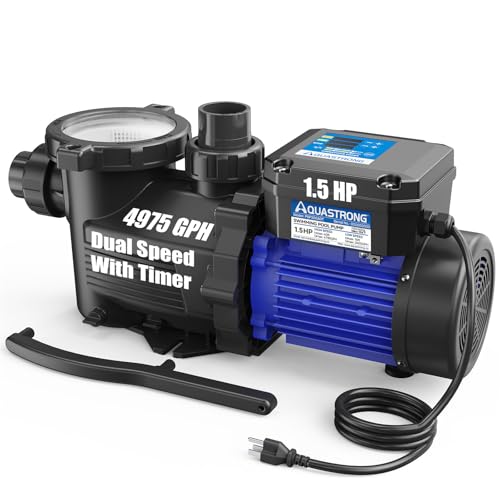
Powerful Dual-Speed Pool Pump with Timer for Smart & Efficient Circulation: This 1.5HP pool pump delivers a high-speed flow of 4975 GPH and low-speed flow of 2400 GPH, ensuring optimal water circulation. The built-in timer allows you to set customized run times for each speed, enabling fully automated filtration. Enjoy a powerful yet energy-efficient pool pump that keeps your water crystal clear and fresh all day long!
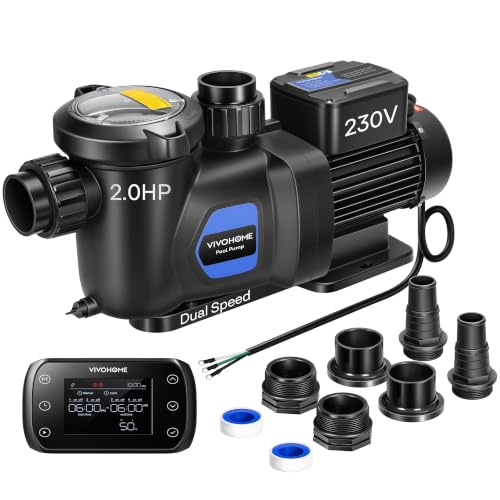
𝐒𝐌𝐀𝐑𝐓𝐄𝐑 𝐏𝐎𝐎𝐋 𝐂𝐀𝐑𝐄: Easily program 4 time segments with high/low speed, or set a manual timer (1 min–24 h) – all via 197 ft long-range RF remote; Faster self‑priming 2 HP pump for in/above-ground pools; Less walking, lower bills

In-ground Variable Speed Pool Pump - Horsepower design, suitable for more than 90% of inground pools. The pool pump delivers a high-speed flow and low-speed flow, ensuring optimal water circulation
Low Speed vs. High Speed
Using low speed is ideal for regular filtration. At this setting, your pump runs more efficiently, reducing energy costs while effectively circulating water. Low speed is best for maintaining clean water and allowing filters to capture debris without overworking the pump.
High speed is suitable for tasks that require more power. It excels in rapidly clearing debris, especially after heavy use or a storm. Use high speed for backwashing or when you notice an increase in debris, ensuring a thorough cleaning of filters.
Timer Settings
Utilizing a timer optimizes your pool’s maintenance schedule. Set your pump to run for optimal durations based on pool usage and weather conditions. Generally, 8 to 12 hours of operation per day suffices for regular filtration, while hotter weather may require longer times.
Adjusting timer settings can help cut down energy costs. Consider using a timer with multiple settings to automate shifts between low speed for regular filtration and high speed for cleaning tasks. This flexibility enhances both efficiency and convenience, allowing you to enjoy your pool worry-free.
Factors Influencing Pump Settings
Understanding the factors that influence your pool pump settings ensures optimal performance and clarity of your water. Key considerations include pool size and type, along with water features and accessories.
Pool Size and Type
Pool size directly impacts how long your pump should run. For example, larger pools require longer filtration times to circulate water effectively. A standard recommendation is 1 hour of filtration for every 10,000 gallons of water.
Types of pools also play a role. Vinyl-lined pools may have different pump settings than concrete or fiberglass pools, particularly regarding how they handle water flow and filtration needs.
When selecting settings, consider these specifics:
- In-ground Pools: Typically larger, needing more running time. Aim for 10 to 12 hours daily.
- Above-ground Pools: Generally smaller, often need around 8 hours of filtration daily.
- Exercise Pools: These might require continuous flow for regular use.
Water Features and Accessories
Water features, such as waterfalls or fountains, demand special attention in your pump settings. These features increase water movement and often require higher pump speeds to function effectively. Here’s what to keep in mind:
- Fountains: Increase pump speed when in operation to ensure a steady flow.
- Waterfalls: Set your pump to high speed during use to facilitate proper water flow and avoid backup in the system.
- Skimmers and Vacuums: Running your pump on high speed enhances suction for skimming debris and vacuuming dirt.
Check if your accessories impact water clarity. If you have features that require more flow, you might need to run the pump longer or at higher speeds during active use periods.
Recommendations for Optimal Performance
Setting the right pool pump parameters enhances water quality and extends the lifespan of your equipment. Here are key recommendations to ensure optimal performance.
Recommended Products

Energy-Saving Design: Utilizing variable speed technology, our pump reduces energy consumption by up to 80% compared to traditional pumps, providing significant long-term savings while maintaining optimal pool performance.

More Energy-Efficient: This variable speed pool pump adjusts speed based on your pool size and usage frequency, delivering significant energy savings compared to traditional single-speed pumps

More Energy-Efficient: This variable speed pool pump adjusts speed based on your pool size and usage frequency, saving up to 89% on energy compared to traditional single-speed pumps
Seasonal Adjustments
Adjust settings based on seasonal changes. In summer, when pool usage is high, run your pump longer—aim for 10 to 12 hours daily for in-ground pools. When temperatures drop, reduce the filtration time to about 6 to 8 hours daily. Autumn may require longer operation due to falling leaves, while winter often allows for less frequent filtering.
Energy Efficiency Tips
Boost energy efficiency with these practical strategies:
- Use a Timer: Set your pump on a timer for consistent operations and avoid running it all day.
- Opt for Low Speed: Utilize low-speed settings for standard filtration to save energy, reserving high speed for vacuuming or water features.
- Regular Maintenance: Clean filters and skimmers regularly to reduce strain on the pump.
- Consider Variable-Speed Pumps: If you haven’t already, think about investing in a variable-speed pump. These offer significant energy savings while allowing for customized settings.
By applying these recommendations, you’re setting the stage for efficient maintenance and clearer pool water.
Conclusion
Finding the right settings for your pool pump doesn’t have to be overwhelming. By understanding your pool’s specific needs and adjusting your pump settings accordingly you can enjoy crystal-clear water without breaking the bank on energy costs.
Remember to take into account factors like pool size and any additional features you have. Regularly reviewing and adjusting your settings based on usage and seasonal changes can make a big difference in maintenance efficiency.
With a little attention and care your pool can stay sparkling clean all season long. Happy swimming!
Frequently Asked Questions
What are the different settings for pool pumps?
Pool pumps typically have Low Speed and High Speed settings. Low Speed is ideal for regular filtration and energy efficiency, while High Speed is better for tasks like vacuuming or running water features.
How long should I run my pool pump?
In-ground pools generally require 10 to 12 hours of filtration daily, while above-ground pools need about 8 hours. Adjust total run time based on water features and seasonal needs.
What factors influence pool pump settings?
Factors include pool size, type (in-ground or above-ground), water features (like fountains), and any additional accessories. These elements help determine the best pump settings for optimal performance.
How can I optimize my pool pump’s timer settings?
Use a timer to schedule pump run times based on pool usage and weather conditions. Adjust the schedule seasonally for maximum efficiency and clarity, running the pump less when the pool is used infrequently.
Are variable-speed pumps worth it?
Yes! Variable-speed pumps offer flexibility in speed settings, allowing for significant energy savings and tailored filtration operations. They are a great investment for cost-effective and efficient pool maintenance.