Have you ever jumped into a pool only to be greeted by water that’s too chilly for comfort? Finding the right temperature to heat your pool can make all the difference between a refreshing dip and a shiver-inducing experience.
Whether you’re planning a summer party or just looking to enjoy a relaxing swim, knowing the ideal pool temperature is key. This article will guide you through the best practices for heating your pool, helping you create the perfect oasis right in your backyard. With the right temperature, you’ll maximize enjoyment and make every swim a pleasure.
Key Takeaways
- Ideal Temperature Range: For recreational swimming, maintain your pool temperature between 78°F and 82°F, while families with young children should consider 82°F to 86°F for added comfort.
- Activity-Specific Temperatures: Adjust pool temperature based on the planned activity; for water aerobics and exercise sessions, aim for 82°F to 86°F.
- Heating Methods: Different pool heating options, such as electric, gas, and solar heaters, offer unique benefits. Choose one based on your needs for consistency, speed, and energy efficiency.
- Seasonal Adjustments: Be prepared to increase your pool temperature during cooler months and adjust accordingly to maintain comfort for swimmers.
- Use Insulation: Implement thermal covers and insulation strategies to minimize heat loss and maintain a consistent pool temperature.
- Monitor Regularly: Regularly check the pool temperature with a digital thermometer to ensure it stays within your preferred range, adjusting your heating methods as necessary.
Understanding Pool Heating
Understanding pool heating is essential for maintaining comfort and enjoyment in your swimming experience. The right temperature ensures that you and your guests stay comfortable while enjoying the water.
Importance of Pool Temperature
Pool temperature influences overall enjoyment and safety. A temperature around 78°F to 82°F suits most recreational swimmers. Cooler temperatures might feel refreshing during hot days but can be uncomfortable for extended swimming. For children’s activities, temperatures above 82°F keep them happy and comfortable. Aquatic exercises often require slightly warmer pool temperatures, generally between 82°F and 86°F, to facilitate muscle warmth and flexibility.
Factors Influencing Ideal Temperature
Several factors affect your ideal pool temperature. These include:
- Type of Activity: Different activities require different temperatures. Relaxing, swimming laps, or hosting a party may demand varied settings.
- Seasonal Changes: Seasonal temperatures can impact how warm or cool your pool feels. Adjusting the thermostat as temperatures drop helps maintain comfort.
- Personal Preference: Individual comfort varies. Some enjoy cooler waters, while others prefer warmth. Testing different settings can help you find what feels best.
- Pool Location: Pools in shaded areas tend to stay cooler than those exposed to sunlight. Consider the sun’s position in your backyard during the day.
- Humidity Levels: Higher humidity can make warm water feel sweltering. In contrast, drier conditions may call for slightly warmer water to balance comfort levels.
By keeping these factors in mind, you can determine the most comfortable temperature for your pool, enhancing your overall swimming experience.
Recommended Pool Temperatures
Optimal pool temperatures keep swimming enjoyable. Understanding specific guidelines helps ensure you’re ready for a refreshing swim.
Recommended Products

KEYPAD REPLACEMENT: Replacement for your Hayward pool heater control panel keypad membrane that is sun damaged or malfunctioning. This keypad membrane is durable and has excellent contact. Replacement can make your heater system work again and look new.

Free Solar Energy: This solar pool cover uses the sun’s power to raise water temperature by up to 15 Degrees

Soak Up The Sun - Heat your pool the natural way with this blue solar blanket! When placed on top of the pool with the bubbles facing down, it traps the warmth from the sun and transfers it to the water.
Residential Pool Temperature Guidelines
For most recreational swimmers, a pool temperature between 78°F and 82°F provides comfort. Families with young children often prefer warm water around 82°F to 86°F to ensure safety and ease during play. Consider the following factors when adjusting your pool’s temperature:
- Activity Type: For general swimming, 78°F to 82°F works well. For water aerobics, consider a temperature around 82°F to 86°F.
- Seasonal Changes: In cooler months, raise the temperature to maintain comfort. Gradually adjust as needed.
- Personal Preference: Everyone enjoys different temperatures. Test out a range to find what’s right for you and your family.
Hot Tub and Spa Temperature Recommendations
Hot tubs and spas cater to relaxation. The recommended temperature for these is typically between 100°F and 104°F. Here are some guidelines to follow:
- General Use: Keep the temperature between 100°F and 102°F for comfort and extended use.
- Short Sessions: For brief, soothing sessions, you can increase the temperature up to 104°F. Prolonged exposure isn’t advisable at this temperature.
- Safety Precautions: Pregnant individuals and those with certain medical conditions should avoid temperatures above 100°F. Always consult a physician for personalized advice.
By following these recommendations, you can create an enjoyable swimming experience for everyone.
Heating Methods and Their Impact on Temperature
Choosing the right heating method for your pool directly affects its temperature and your swimming experience. Each heating option has its advantages and drawbacks.
Recommended Products

【1500W IMMERSION HEATING】 This 1500W immersion water heater uses an upgraded magnesium oxide heating element for efficient heating. The open-slot protective guard helps improve water circulation for better heat transfer. Heats 5 gallons of water from 68°F to 83°F in about 8 minutes. Heating time may vary by water volume, starting temperature, and conditions.

AR-PRO offers the perfect replacement of 520272 air/water/solar temperature sensor with 20-feet cable for less cost from the OEM yet is made of premium, heavy duty material that increases the life cycle by 50%.

Ultimate Safety: Anti-Dry Burn & Auto Shut-off: Safety is paramount for any portable immersion water heater. Our device is equipped with advanced anti-dry burn technology that cuts power instantly if the water level is too low. As a reliable water immersion heater, it also features an intelligent thermostat: it stops at your set temp and restarts if the water drops by 15°F, providing consistent warmth safely.
Electric Heaters
Electric heaters offer reliable temperature control. They heat water by passing it through an electrical element. This method works well for smaller pools or spa-like environments, allowing you to maintain a steady temperature. They typically reach desired temperatures within a few hours. However, operating costs can accumulate, especially in colder climates where the heater runs longer.
Gas Heaters
Gas heaters heat water quickly, making them ideal for heating pools promptly. They use natural gas or propane and can raise the water temperature significantly. If you’re hosting a gathering and want the pool warm within a short timeframe, gas heaters excel. They’re efficient but cost more to operate in the long run, especially with fluctuating gas prices.
Solar Pool Heaters
Solar pool heaters utilize energy from the sun to warm your pool. This environmentally-friendly option reduces energy bills and is great for sunny areas. Solar heating systems consist of solar panels that capture sunlight and transfer heat to the water. While installation costs can be higher than other methods, the long-term savings often offset the initial investment. Solar heaters do take longer to raise water temperature, making them more suitable for maintaining warmth rather than rapid heating.
Exploring these heating methods helps you select the best one for your pool, ensuring a comfortable swimming environment.
Tips for Maintaining Pool Temperature
Maintaining a consistent pool temperature enhances your swimming experience. You can implement several strategies to keep your pool comfortably heated.
Recommended Products

Helps Conserve Water & Energy: This Natural Chemistry cover free is an advanced mono-layer technology that helps save water and money by decreasing evaporation.

Harness the Power of Sun: The 16 mil solar pool cover with thousands of thermal bubbles can trap the heat from the sun. this cover can heat the pool up under the full sunlight in summer. And hold the temperature on cloudy days or at chilly nights.
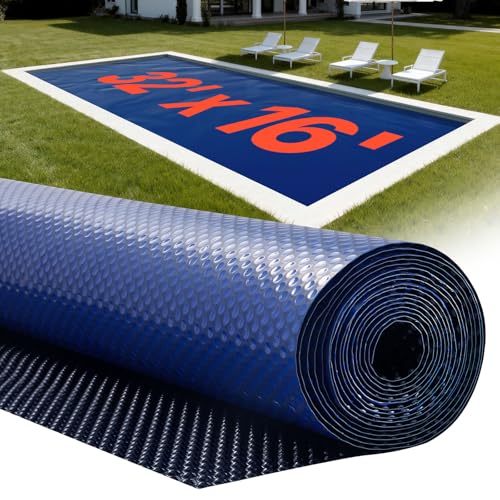
Enjoy Longer Swims: This 32 x 16ft/9.75 x 4.88m rectangle solar pool cover works as a reliable pool cover, using an 16 mil bubble design to help retain heat and keep water warmer. The pool solar cover supports a longer swimming time while offering an easy-to-trim fit for irregular pool shapes
Insulation and Covers
Use thermal pool covers to trap heat, especially during cooler nights. These covers reduce heat loss and keep water warm. Consider using solar blankets, as they can absorb sunlight and raise the pool temperature by several degrees. Pool walls may also benefit from insulating materials, preventing heat escape. Regularly check for gaps or damages in your covers to ensure maximum insulation.
Regular Monitoring and Adjustments
Monitor pool temperature frequently. Utilize digital thermometers for accurate readings. Adjust your heating method based on the temperature. If you notice the water cooling down, boost the heater’s settings accordingly. Many modern heating systems come with timers; programming these can maintain a consistent temperature. Pay attention to weather changes too. Colder nights might require you to increase heating efforts in advance to keep your pool at the desired temperature.
Conclusion
Finding the right temperature for your pool can make all the difference in your swimming experience. With the right heating method and a few simple maintenance tips you can enjoy a comfortable and inviting pool all season long.
Remember to consider your personal preferences and the types of activities you plan on enjoying. Whether you’re relaxing with family or hosting a lively pool party you’ll create the perfect atmosphere by keeping your pool at the ideal temperature.
So take the time to adjust and maintain your pool’s warmth and dive into a refreshing and enjoyable swim whenever you want. Happy swimming!
Frequently Asked Questions
What is the ideal pool temperature for swimming?
The ideal pool temperature typically ranges from 78°F to 82°F (26°C to 28°C) for recreational swimming. More competitive swimmers may prefer slightly cooler temperatures, while kids and older adults often enjoy warmer water for comfort and safety.
What types of pool heating methods are available?
There are several heating methods for pools: electric heaters for precise control, gas heaters for fast heating, and solar heaters for energy-efficient warmth. Each method has distinct advantages and disadvantages depending on your needs and budget.
How do I maintain my pool’s temperature?
To maintain your pool’s temperature, use thermal covers to minimize heat loss, insulate pool walls, and monitor temperatures regularly. Adjust your heating method based on weather changes to keep the pool consistently comfortable.
Why is pool temperature important?
Pool temperature impacts swimmer comfort, safety, and enjoyment. Proper temperatures can prevent hypothermia or overheating, making your swimming experience more pleasant and encouraging more frequent use of the pool.
Can outdoor temperature affect my pool’s heating?
Yes, outdoor temperature can significantly affect your pool’s heating efficiency. Colder weather may require more heating, while warmer weather might allow for reduced heating needs. Be sure to adjust your heating methods accordingly.