Have you ever noticed water pooling behind your pool liner and wondered if it’ll just disappear on its own? You’re not alone. Many pool owners face this frustrating issue, often unsure of what to do next.
Understanding the behavior of water in this situation can save you time, money, and stress. In this article, you’ll learn whether that pesky water will resolve itself or if you need to take action. By the end, you’ll feel more confident in managing your pool and keeping it in top shape.
Key Takeaways
- Water accumulation behind pool liners can arise from various causes, including groundwater, heavy rainfall, improper installation, and plumbing leaks.
- Addressing the issue promptly is essential to maintain structural integrity, prevent mold growth, and avoid costly repairs.
- Water may evaporate on its own in warm and dry conditions, but the rate of evaporation is influenced by factors such as temperature, humidity, wind, and drainage issues.
- Regular inspections and maintenance are vital to detecting early signs of water problems and ensuring effective drainage around the pool.
- Implementing preventive measures, such as choosing the right liner and maintaining proper water chemistry, can significantly extend your pool’s lifespan and enhance overall performance.
Understanding Water Behind Pool Liners
Water accumulation behind pool liners can lead to complications for pool owners. Understanding the causes and addressing the issue promptly can prevent further problems with your pool setup.
Recommended Products
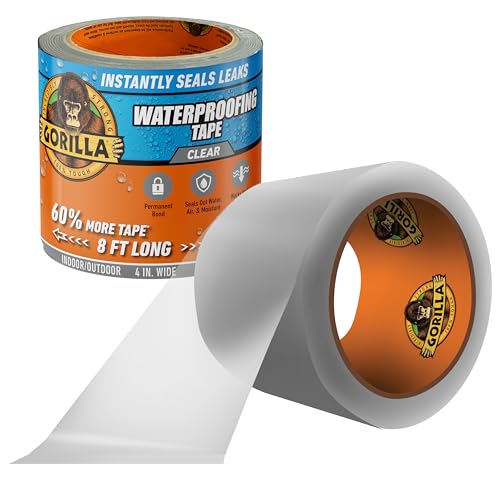
Permanent seal: This Gorilla tape creates a permanent bond that instantly seals out air, water, and moisture

THE FIX-IT-ALL TAPE: Most versatile tape for quick repairs; clear color for discreet repairs; add to repair kit for home, marine, sporting and pool patching applications; repair recreational equipment such as pools, pool covers, boat covers, inflatables, tents, canopies and more

Choose Your Repair Type: This kit comes in multiple versions; both peel-and-stick patches for quick repairs and glue-down patches for tougher fixes, allowing you to select the ideal option for each need.
Causes of Water Accumulation
- Groundwater: Saturated soil or rising groundwater can push moisture upwards, creating pockets of water behind liners.
- Rainfall: Heavy rain can lead to water pooling if drainage systems aren’t adequate, contributing to the buildup.
- Improper Installation: Gaps or flaws during liners’ installation can allow water to enter, especially if the liner isn’t fitted tightly.
- Leaks in Plumbing: Over time, plumbing leaks may develop and contribute to excess water, leading to liner separation or deformation.
Importance of Addressing the Issue
Addressing water behind the pool liner is crucial for several reasons:
- Structural Integrity: Prolonged water accumulation can weaken the pool structure, increasing the risk of damage.
- Mold and Mildew: Standing water promotes mold growth, which can deteriorate the liner and affect water quality.
- Increased Maintenance Costs: Failing to address the issue might result in costly repairs or replacement of the liner over time.
- Safety Hazards: Water behind the liner can create potential safety risks, including slips or falls around the pool area.
Taking timely action helps maintain your pool’s overall health and ensures a safe swimming environment.
Effects of Water Behind Pool Liners
Water accumulation behind pool liners can lead to significant issues for pool owners. Understanding these effects is crucial for maintaining your pool.
Structural Damage
Structural damage often arises from pooled water. Pressure increases on the liner and the wall, causing buckling and bending. This stress can lead to cracks in the pool structure, making repairs costly and lengthy. Regular checks can help you detect any signs of distress early, allowing for prompt action.
Liner Deterioration
Liner deterioration occurs more rapidly with trapped water. The constant exposure to moisture can lead to mold, mildew, and algae growth. This not only affects the liner’s appearance but also shortens its lifespan. Inspecting your liner regularly and ensuring proper drainage can prevent these issues from escalating.
Will Water Behind Pool Liner Go Away on Its Own?
Water accumulation behind the pool liner often raises concerns for pool owners. Determining whether it will disappear naturally depends on several factors.
Recommended Products
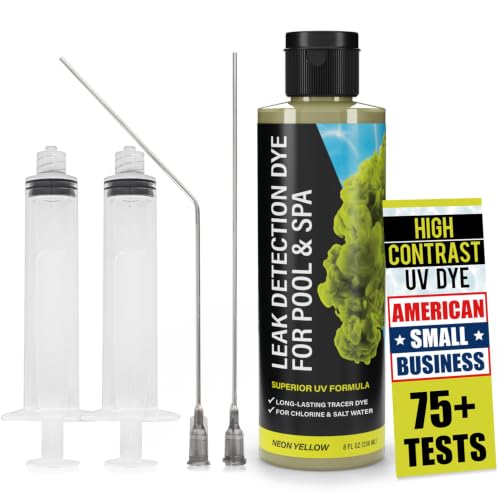
Easily Identify & Locate Leaks: 75+ tests per kit! This pool leak detection kit delivers a High-Contrast UV dye that glows brightly in sunlight and under UV light. It stands out against light and dark surfaces, making it just as effective as traditional blue dyes on light-colored backgrounds. This superior pool dye formula holds together underwater, ensuring easy & accurate leak detection

* Original Pool Repair Patches - This essential 10-pack of pre-sized white adhesive patches is invaluable for pool professionals and homeowners alike. Each precisely measured 2.75" x 4" patch efficiently seals vinyl pool liner damage without material waste.

* Original Pool Tape Repair Patches - This essential 10-pack of pre-sized clear adhesive patches is invaluable for pool professionals and homeowners alike. Each precisely measured 2.75" x 4" patch efficiently seals vinyl pool liner damage without material waste.
Natural Evaporation Process
Water can evaporate on its own, especially in warm, sunny conditions. This natural process relies on factors like temperature, humidity, and wind. In dry, warm climates, the water behind the liner may gradually evaporate over time. However, keep in mind that this isn’t a quick solution. You may still notice potential damage if the drainage issue remains persistent.
Factors Affecting Water Retention
Several factors influence how long water stays behind the pool liner:
- Temperature: Higher temperatures boost evaporation rates. Conversely, cooler temperatures slow down this process.
- Humidity: High humidity levels result in slower evaporation. Conversely, drier air facilitates faster evaporation.
- Wind: Increased wind enhances evaporation by moving moist air away from the pool’s surface, promoting dryness.
- Pool Coverage: A covered pool reduces airflow and slows evaporation. If the pool is left uncovered, water may evaporate faster.
- Drainage Issues: Persistent drainage problems keep water trapped behind the liner. If water continues to accumulate, it won’t go away naturally.
Routine inspections and maintenance play a crucial role in managing water levels and ensuring the pool’s longevity.
Prevention Tips for Pool Owners
Taking preventive measures can help you manage water behind your pool liner more effectively. Adopt these practices to protect your pool and extend its lifespan.
Recommended Products

Ground Shield Protects Your Pool Liner: This 12-foot round, heavy-duty, extra-thick pool liner pad safeguards your above-ground pool liner from punctures, tears, abrasions, and rips caused by rocks, roots, glass, and other sharp objects. It extends the liner's lifespan and reduces the risk of damage and costly replacements. The pad also provides a thin layer of cushioning underfoot, making the pool more comfortable to walk on.

UPF 50+ Sun Protection: Blocks 98% of harmful rays to protect delicate skin. Perfect for extended outdoor water activities, giving parents total peace of mind while kids enjoy their happy sunshine time safely.

Save Your Time: The 75W Lnicez submersible water pump with a flow rate of up to 950GPH is designed to be a convenient and affordable drainage solution. It drains water 2 times faster than other sump pumps, which saves you time and energy. The sump pump submersible is ideal for pool covers and in-ground pools.
Regular Maintenance Practices
Perform weekly inspections of your pool area. Check for any signs of water accumulation behind the liner. Maintain excellent drainage around the pool by ensuring gutters and downspouts direct water away. Clean your pool cover regularly to prevent debris buildup, which can trap moisture. Brush and vacuum surfaces to prevent algae growth that can encourage water retention. Test and maintain water chemistry continually to prevent liner damage.
Choosing the Right Liner
Select an appropriate liner based on your environmental conditions. Thicker liners typically resist punctures and wear better, especially in regions with extreme temperatures. Opt for a liner designed for your specific pool shape and size to ensure a proper fit. Look for materials resistant to UV light, chemicals, and algae growth. Consulting with a pool professional can help guide your choice and ensure long-term satisfaction.
Conclusion
Water behind your pool liner isn’t something that just disappears on its own. Taking proactive steps is key to avoiding bigger problems down the line. Regular maintenance and quick action can save you from costly repairs and keep your pool in great shape.
By staying vigilant and addressing any water accumulation promptly, you can maintain the integrity of your pool. Remember that a little effort now goes a long way in ensuring your pool remains a safe and enjoyable space for you and your loved ones. So keep an eye on those water levels and enjoy your pool worry-free!
Frequently Asked Questions
What causes water to pool behind pool liners?
Water can accumulate behind pool liners due to improper installation, soil erosion, faulty drainage systems, or heavy rain. Insufficient water levels in the pool or damaged liners can also contribute to this issue, leading to structural problems over time.
How does water behind pool liners affect my pool?
Water behind the liner can lead to serious issues like structural damage, liner deterioration, and the potential growth of mold, mildew, and algae. This can compromise the pool’s integrity and result in costly repairs.
How can I prevent water accumulation behind my pool liner?
To prevent water accumulation, regularly inspect your pool and liner, ensure proper drainage systems are in place, and remove debris that can block drainage. Regular maintenance and cleaning routines are also crucial to avoid buildup.
What maintenance tips can help protect my pool liner?
Routine inspections, timely draining, and thorough cleaning are effective maintenance practices. It’s also essential to choose the right liner based on your climate and soil conditions to ensure a proper fit and longevity.
How do I choose the right liner for my pool?
Choose a liner that suits your pool type and environmental conditions. Consider factors such as thickness, material, and warranty. Consulting with a pool professional can help you select a liner that fits well and lasts longer.