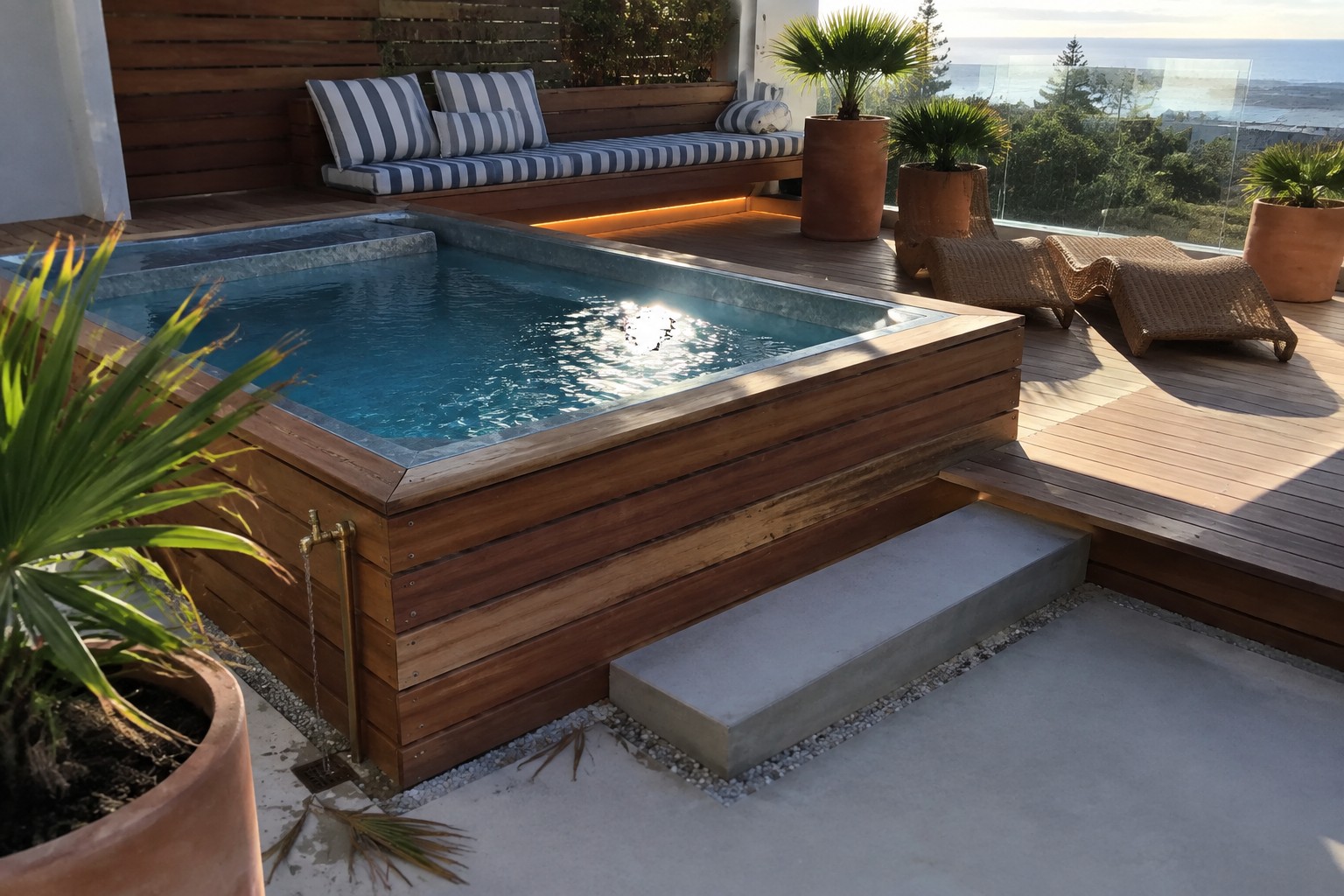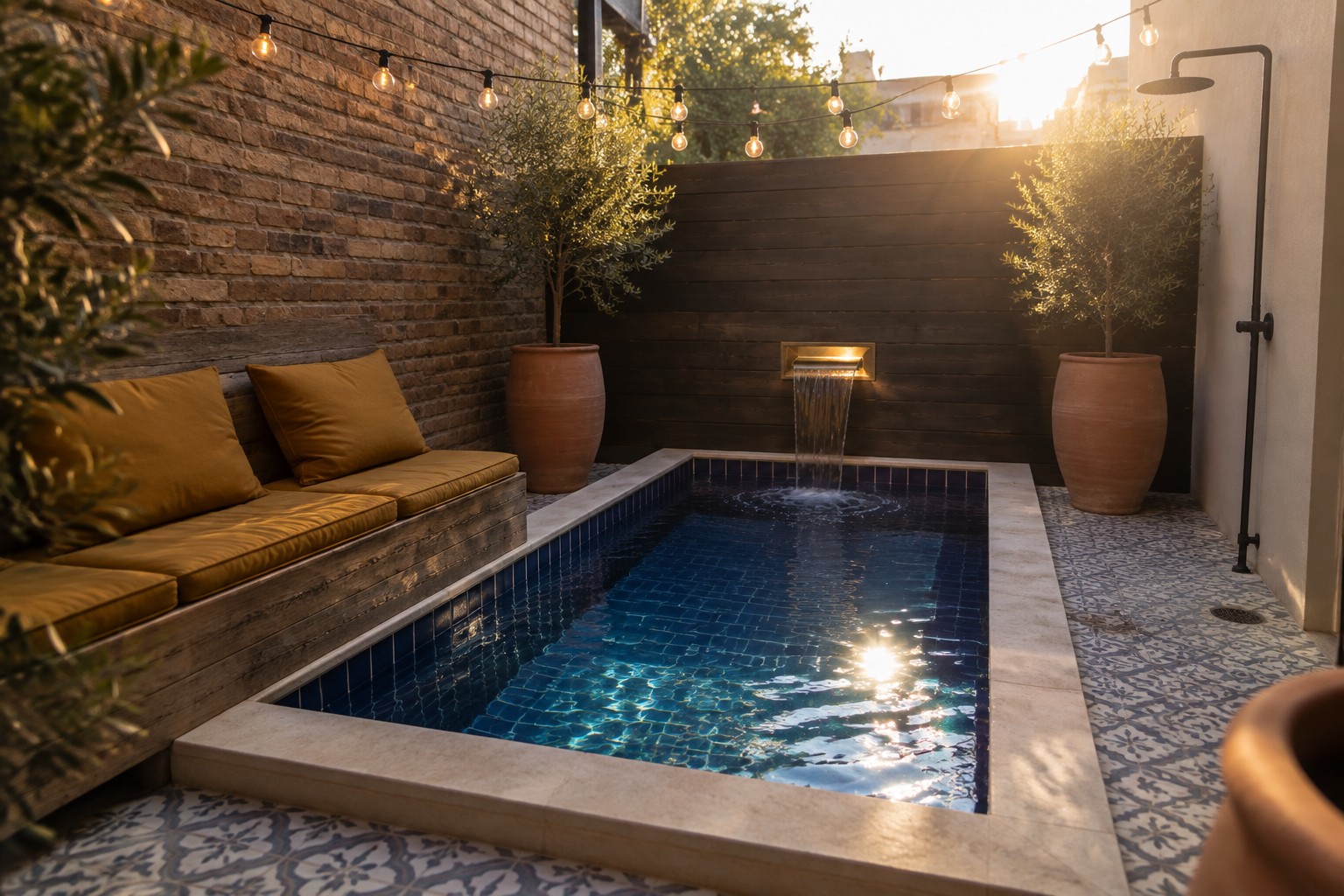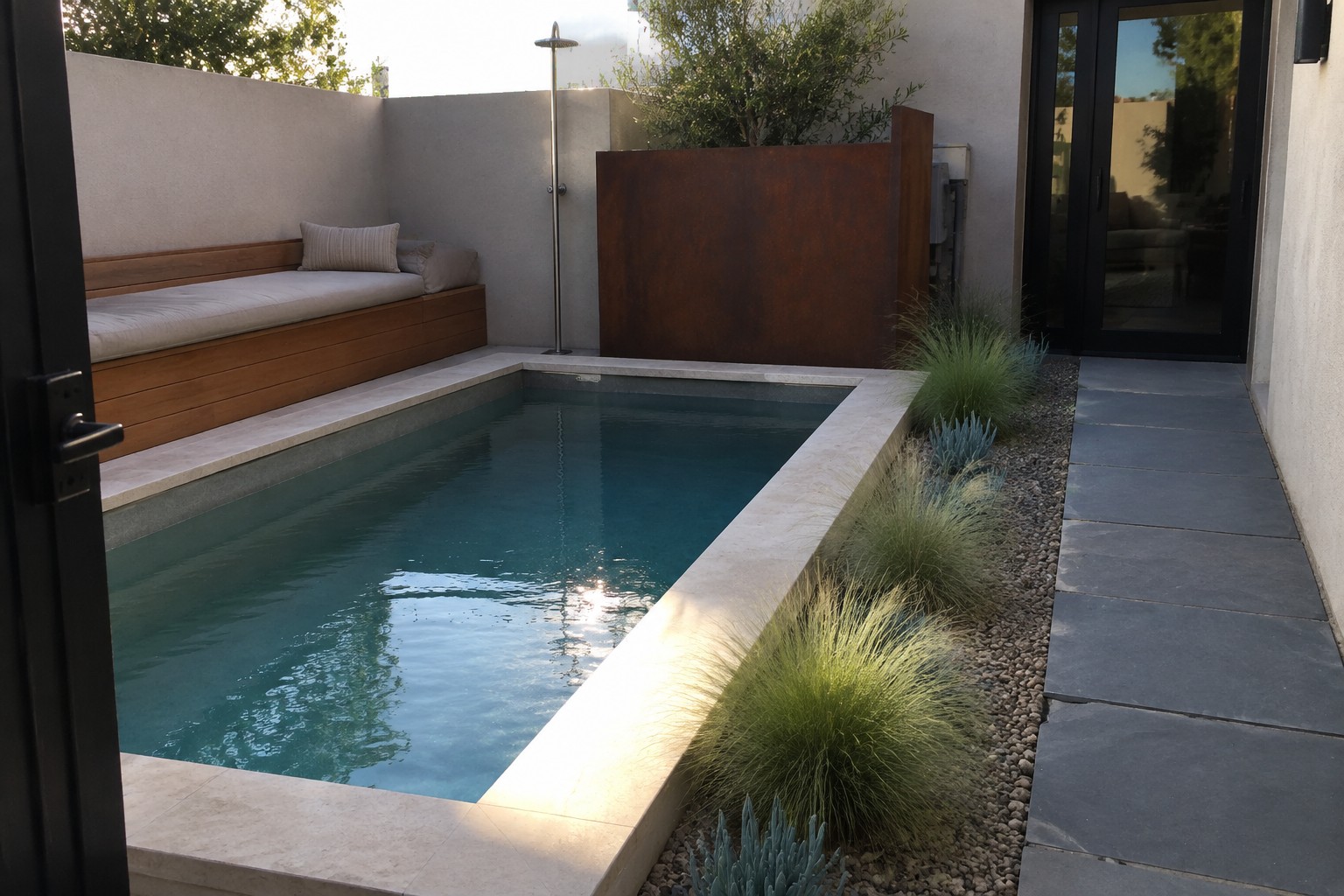
I often notice that the area around a plunge pool can either blend into the rest of the yard or stand out in a way that demands regular attention.
For homeowners with packed schedules, choosing plants that spread naturally and hardscaping that does not need frequent sealing makes a real difference in how the space feels day to day.
Low upkeep matters most here.
Over the years I have learned to look first at how pathways and borders frame the pool, since those elements shape the overall layout more than any single feature.
A few simple changes in my own backyard proved that the right plant structure keeps everything looking intentional even when I cannot tend to it every week.
Gravel And Tough Grasses Keep Pool Edges Simple
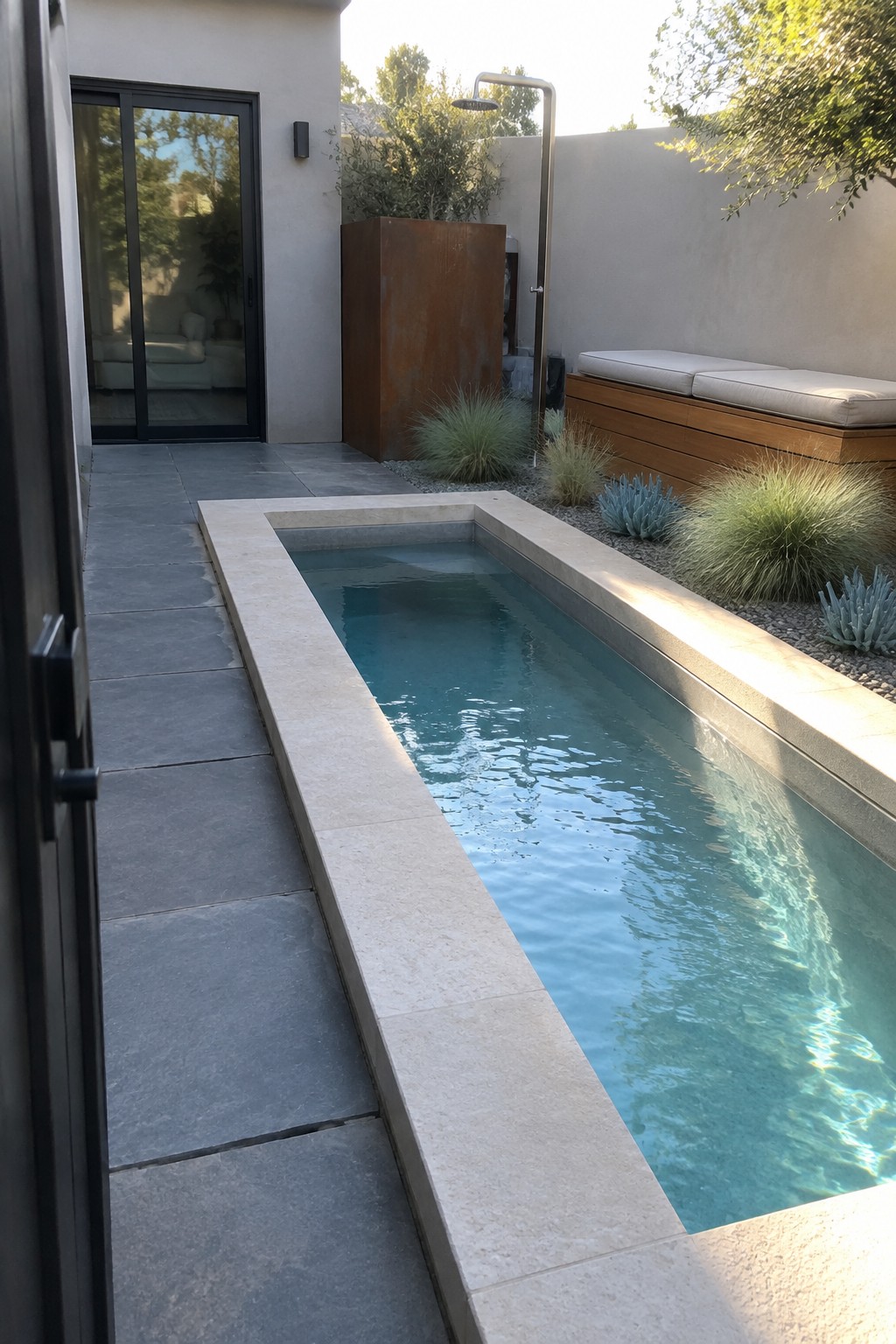
Gravel beds paired with a few types of hardy grasses give a plunge pool a clean look without constant work. The plants need little water once established and the gravel stops weeds from taking over, so the whole area stays neat with just occasional raking and trimming.
This setup suits small yards or homes in drier regions where busy owners want the pool to feel open rather than crowded with flower beds. Keep the planted strips narrow, choose grasses that stay under three feet, and let the gravel run right up to the pool coping so mowing and edging stay minimal.
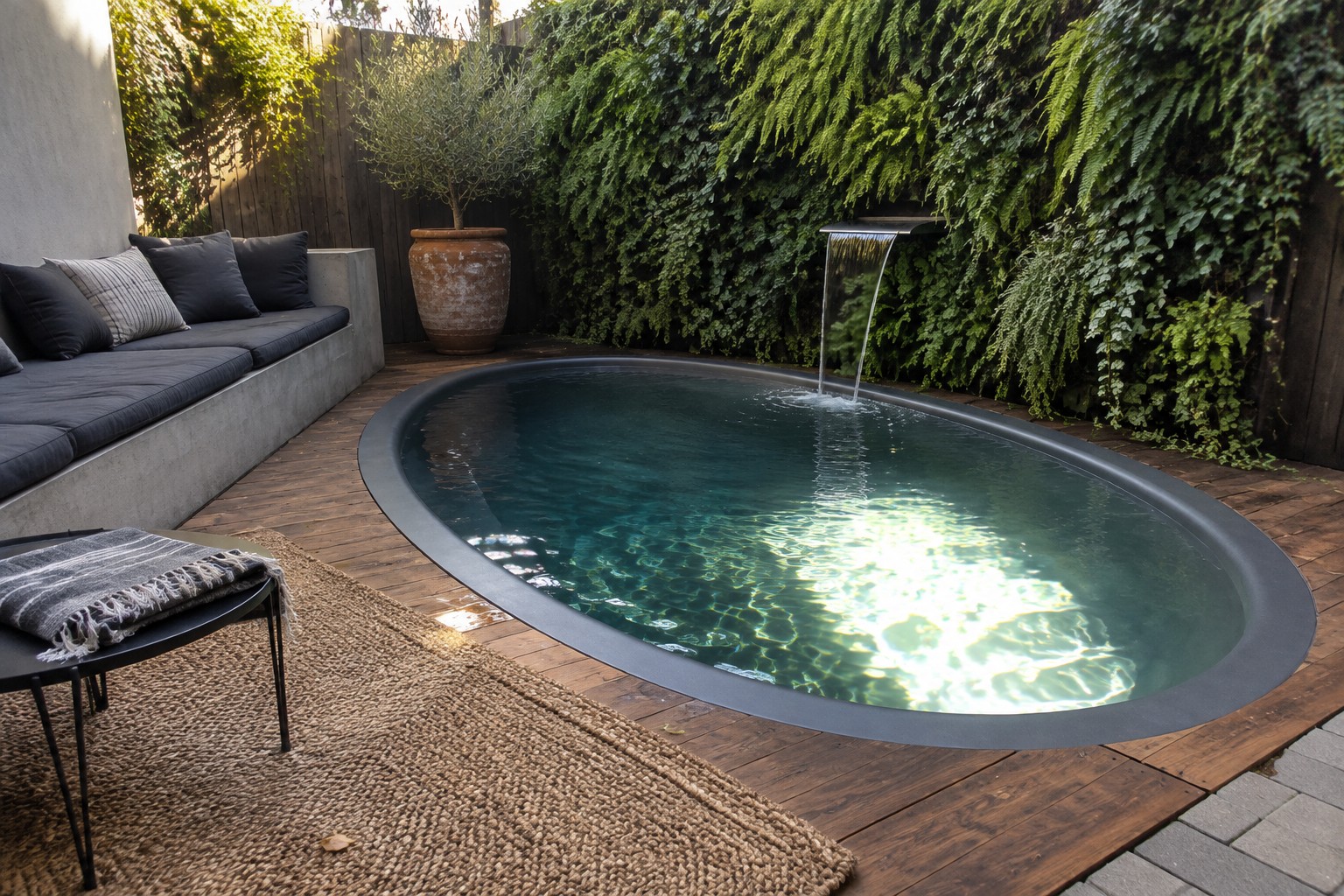
Use Large Pots For Easy Poolside Greenery
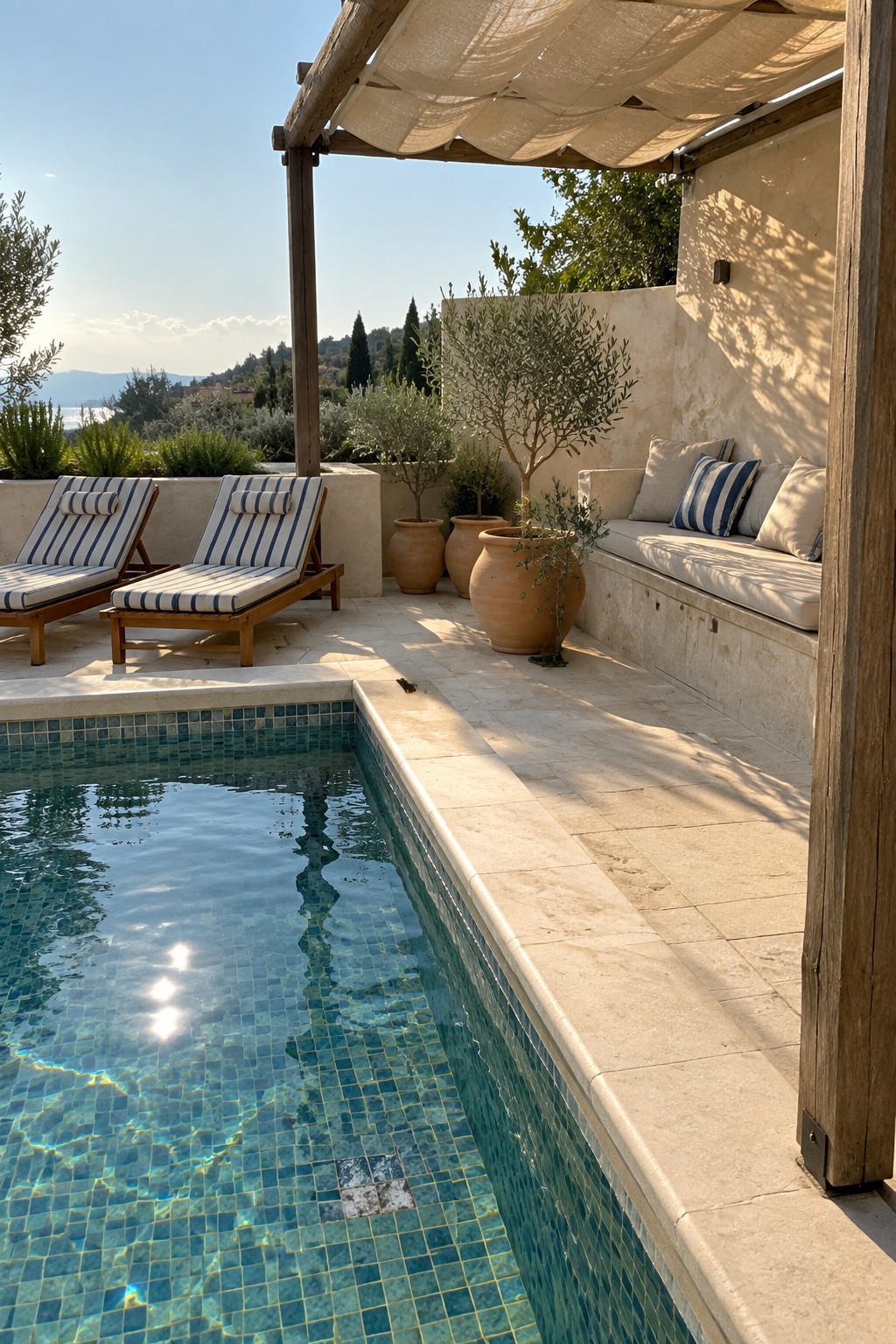
Large pots make it simple to bring greenery right up to the edge of a plunge pool without digging beds or dealing with constant weeding. The terracotta containers hold small trees and shrubs that add height and softness while staying contained, so the whole setup stays neat even on a paved patio.
This works well for busy homeowners because the pots can be moved, swapped, or left alone for weeks at a time. It suits homes with limited ground space or hard surfaces around the pool, and it avoids the upkeep that comes with in-ground planting near water.
Add a Fire Pit Beside the Plunge Pool
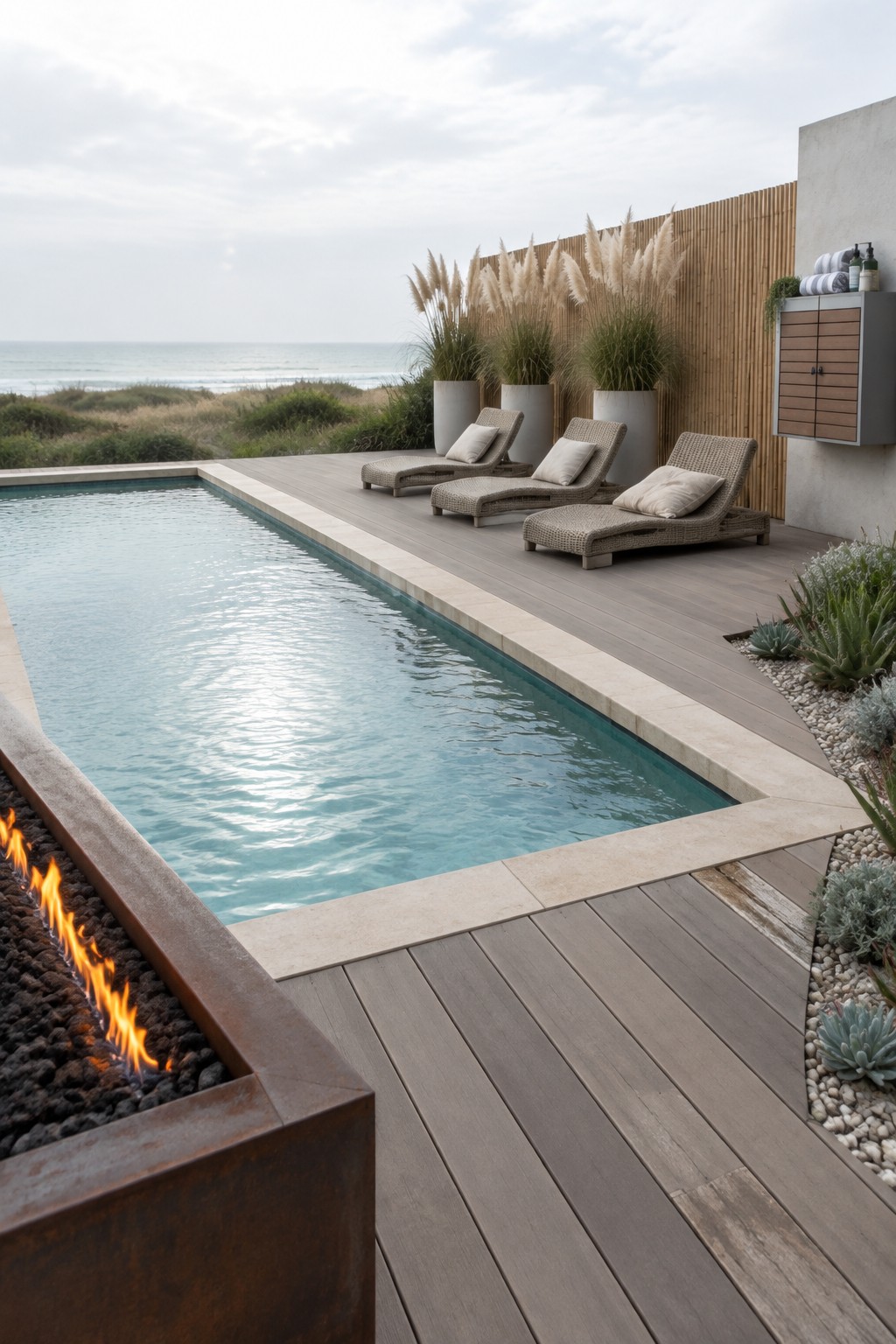
Many people like placing a fire pit right next to a plunge pool on the same deck. It turns the area into a usable spot in the evenings without adding extra structures or separate zones that need their own care.
This setup works best on a simple deck surface that can handle both water splash and heat. It suits smaller yards or busy schedules since the whole space stays in one contained area with little planting to manage.
Gravel Paths And Raised Planters Reduce Poolside Upkeep
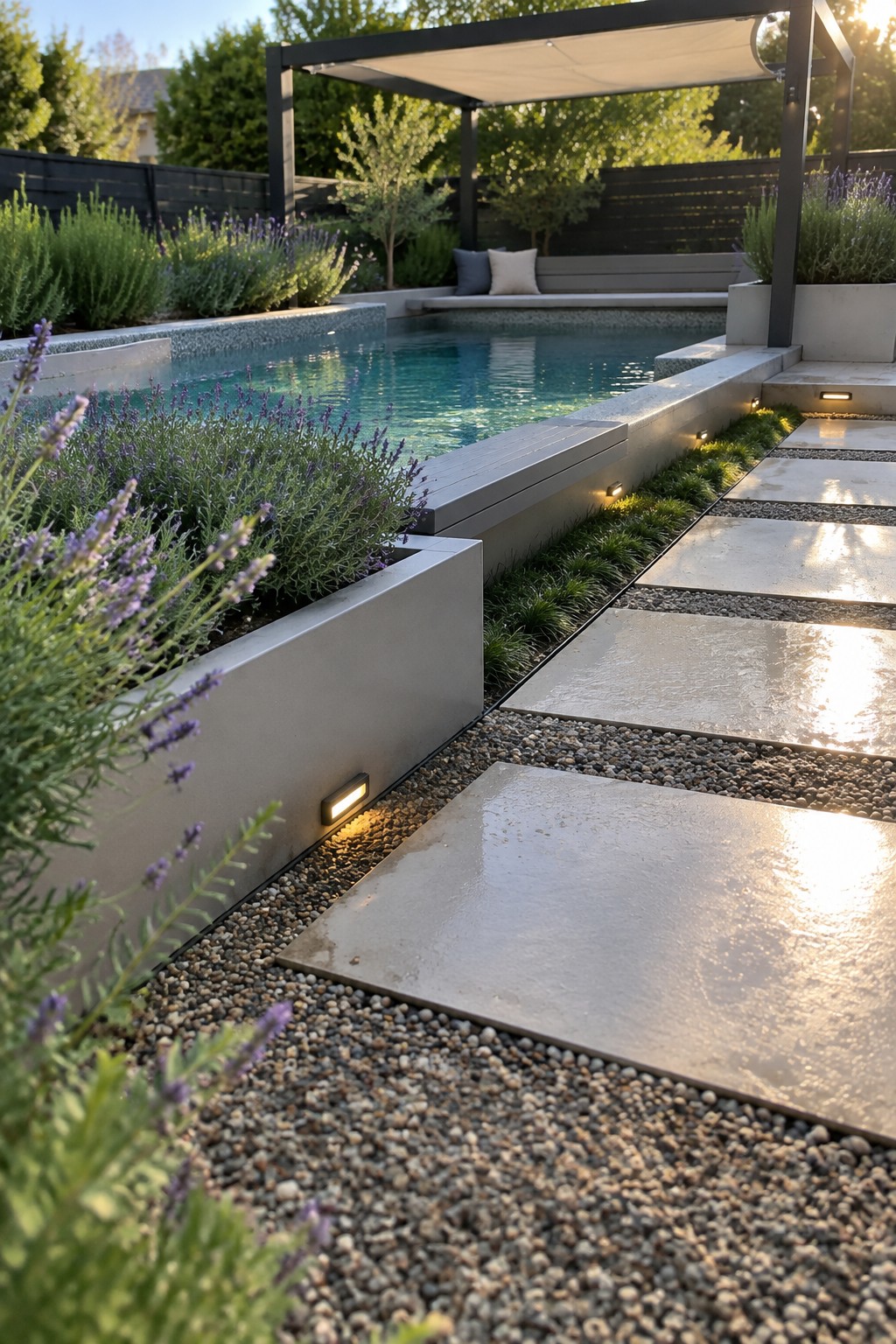
Gravel works well around plunge pools because it drains fast and needs almost no weeding. The small stones also keep mud from splashing into the water during rain.
Raised concrete planters let you group low-water plants like lavender in one spot so they stay contained and easy to trim. This approach suits busy yards that get sun most of the day and do not want high-maintenance flower beds right next to the pool.
Potted Plants Simplify Plunge Pool Landscaping
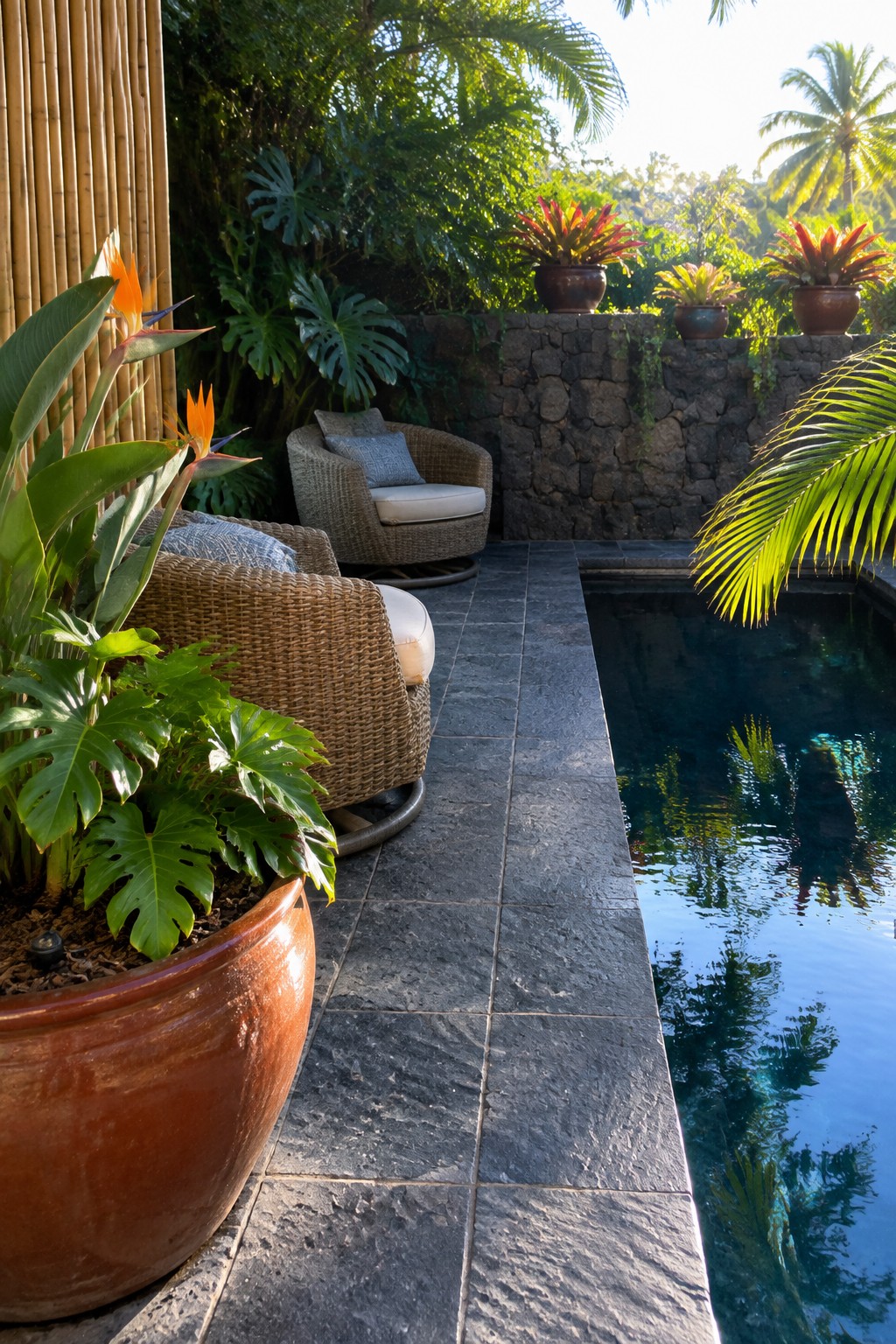
Large pots give you a quick way to add greenery around a plunge pool without creating garden beds that need constant weeding or edging. The plants stay contained, so cleanup stays simple and you can shift things around when the space needs rearranging.
This works best on stone or concrete decks where in-ground planting is not practical. Choose pots in one or two sizes and stick with bold foliage that holds up in sun and heat. Busy homeowners like the look without the extra work.
Gabion Walls and Gravel Beds Reduce Pool Upkeep
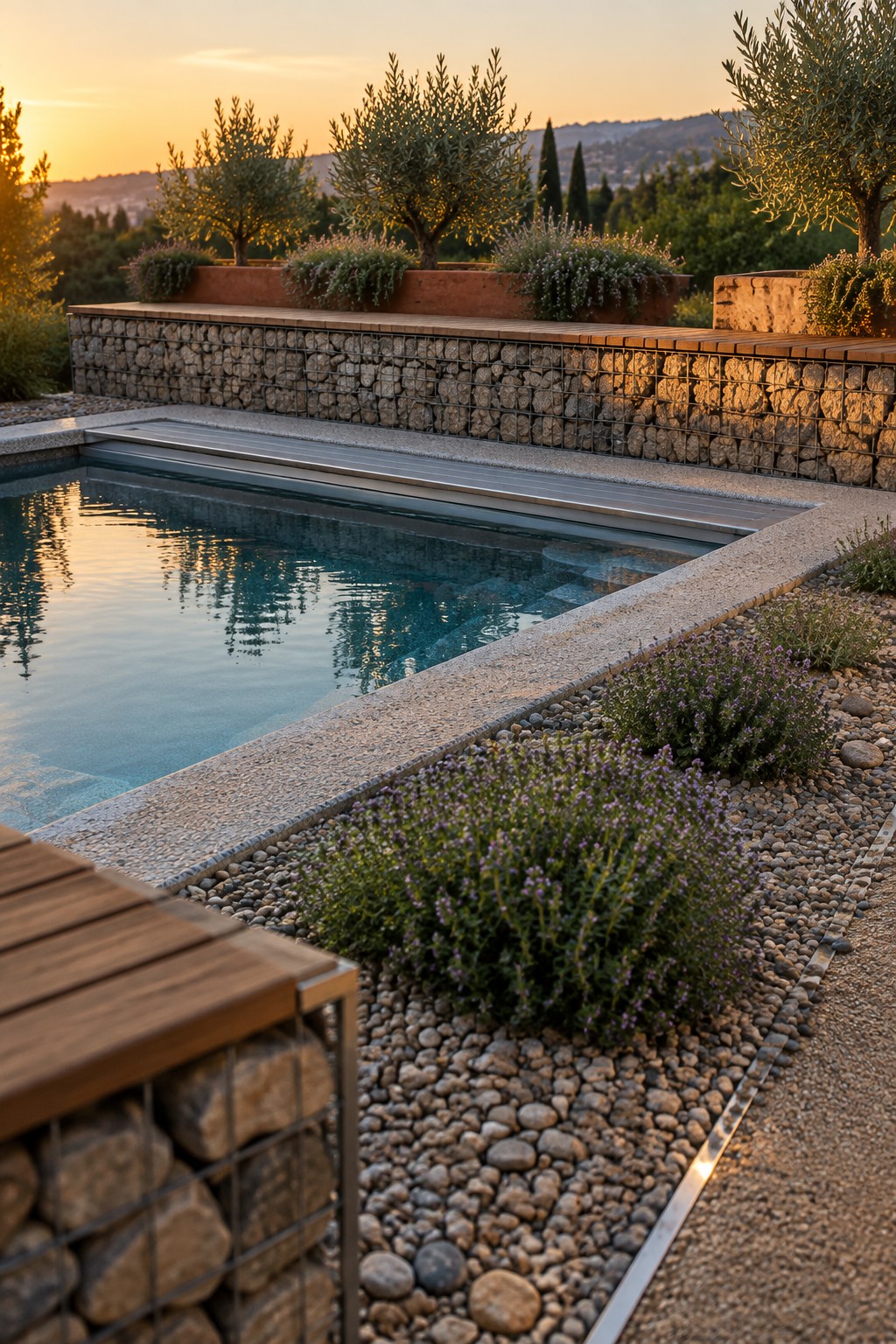
Gabion walls filled with stone create a sturdy edge that holds the pool surround in place without constant repairs. The gravel spread across the beds cuts down on weeds and keeps the ground from turning muddy after rain, which matters when you do not have time to fuss with garden maintenance every week.
This approach works best in smaller yards where the pool sits close to the house and you want the landscaping to stay simple and contained. Stick with low shrubs that need little pruning and let the stone and gravel do most of the work holding the look together.
Stepping Stones Across the Pool
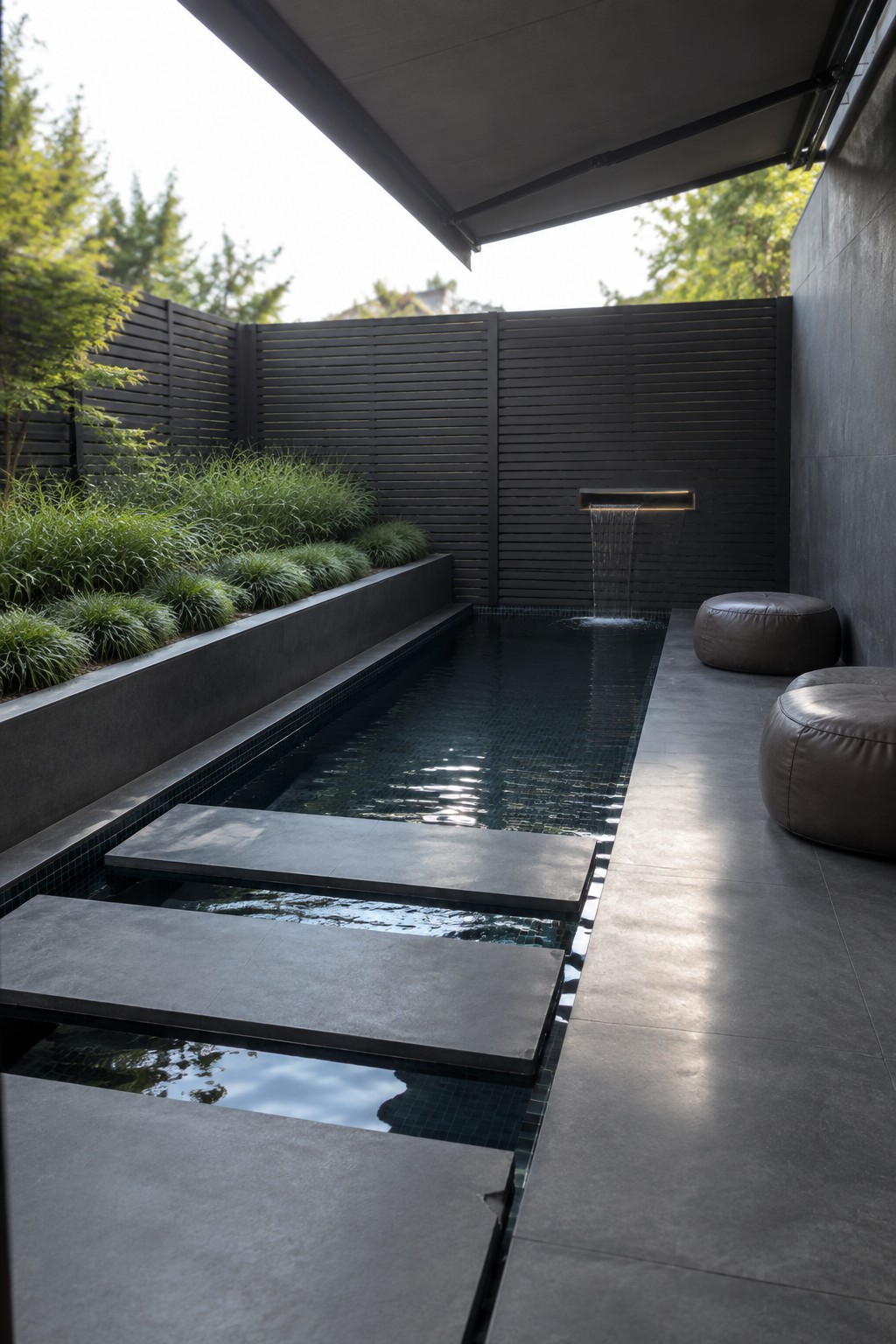
Stepping stones give a small plunge pool a practical path without eating up deck space. They turn the water into something you can cross instead of just look at, which works well when the yard is tight and you still want room to move around.
This setup suits narrow lots or side yards where a full deck would feel cramped. Stick with wide, stable stones that sit just above the waterline, and keep the surrounding planting simple so the whole thing stays easy to care for.
Raised Brick Planters Around the Pool
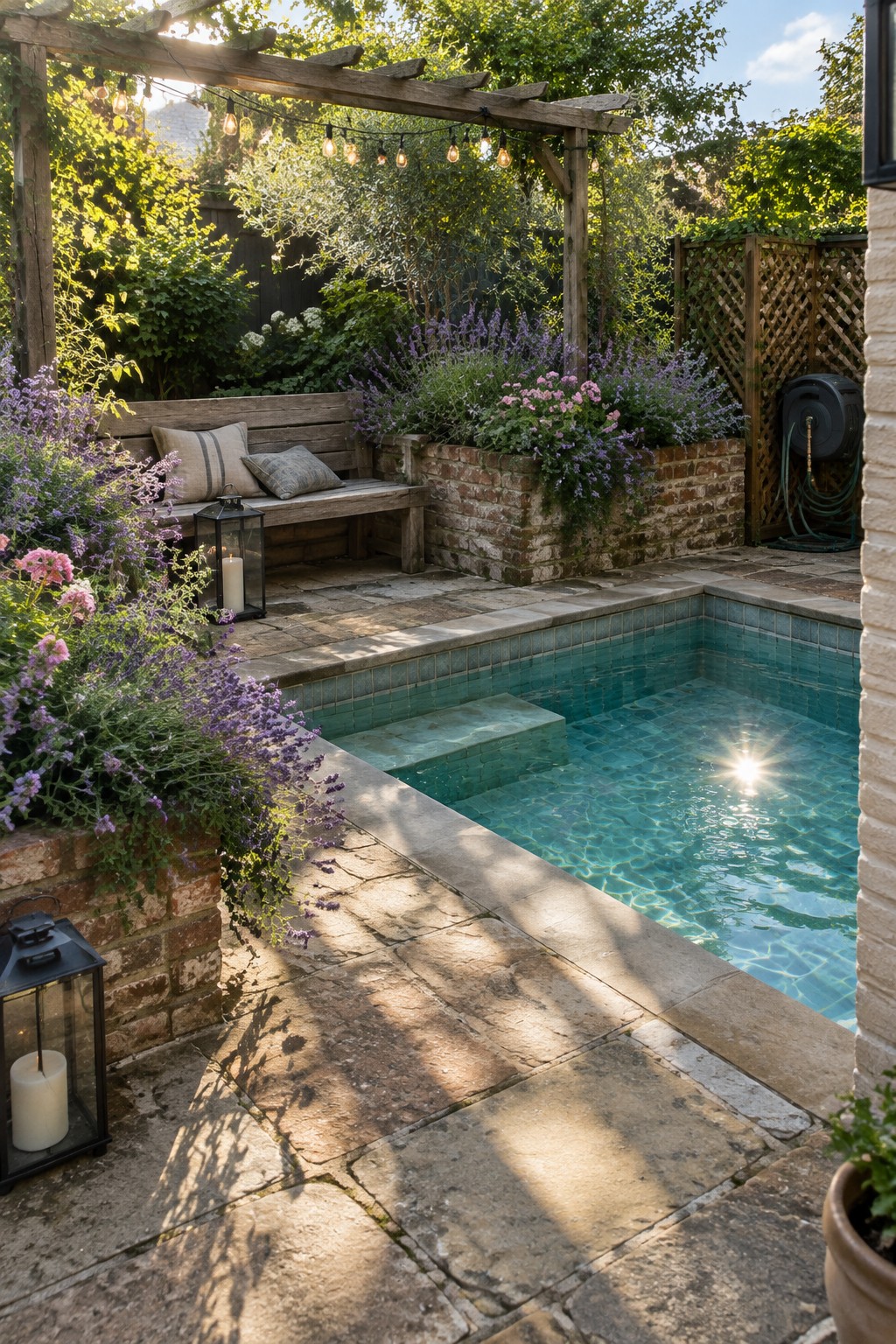
Raised brick planters give a plunge pool a soft planted edge without letting the garden creep onto the deck. The brick keeps soil contained and raises the plants just enough to create a clear border that stays neat over time.
This works well for busy homeowners because the planters limit spreading and make watering or weeding simpler. Pick compact flowering perennials that cascade over the edge and you will have color most of the season with little extra care.
Vertical Garden Walls Add Greenery Without Taking Up Space
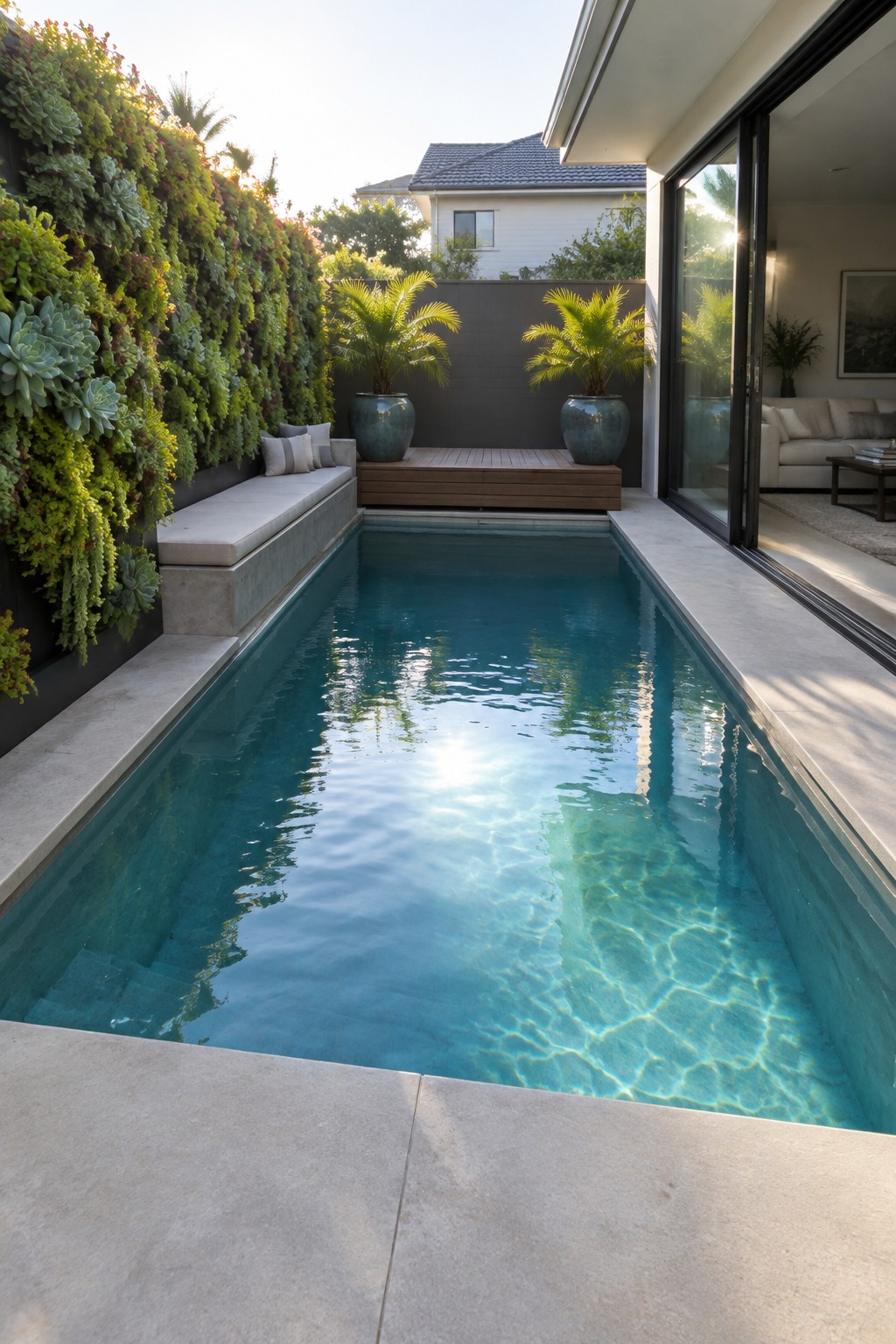
A vertical garden wall works well beside a plunge pool because it brings in lots of plants while using almost no floor area. Busy homeowners like this setup since the succulents need little watering once established and stay looking good year round.
This approach suits narrow yards where a traditional bed would crowd the pool edge. Mount the plants on a framed panel, pick drought tolerant varieties, and let the wall handle most of the visual interest so the rest of the space stays simple.
Stone Edging Frames A Plunge Pool
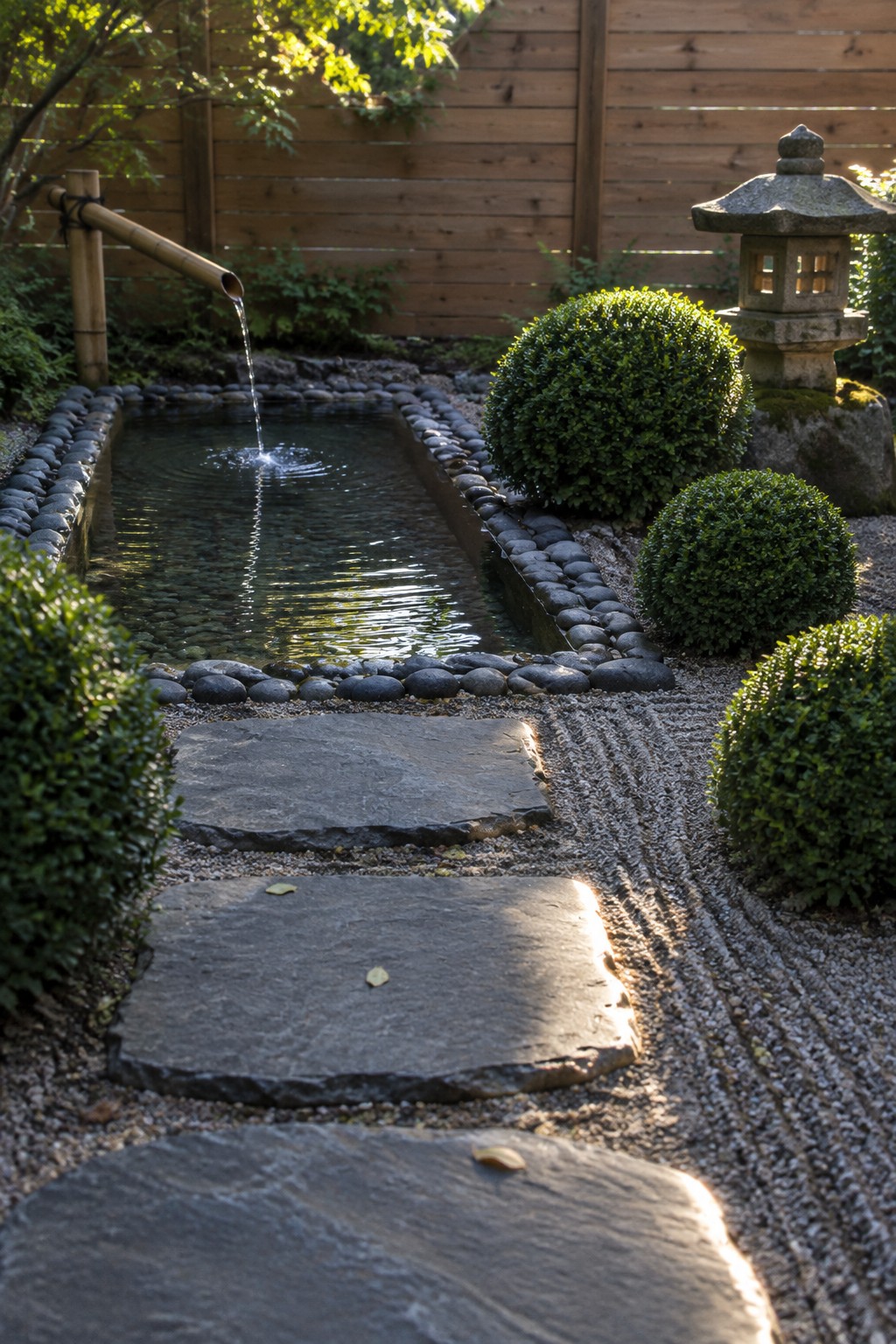
A simple stone border around a small plunge pool helps it sit neatly in the garden without looking fussy. The dark pebbles give the water a clear edge that stays in place even after rain or heavy use.
This approach works best in smaller yards where you want the pool to blend into the landscape rather than stand out as a separate structure. Gravel paths with light raking need only occasional refreshing, which keeps the whole area low maintenance for homeowners who do not have time for constant garden work.
Raised Planters With Built In Lighting
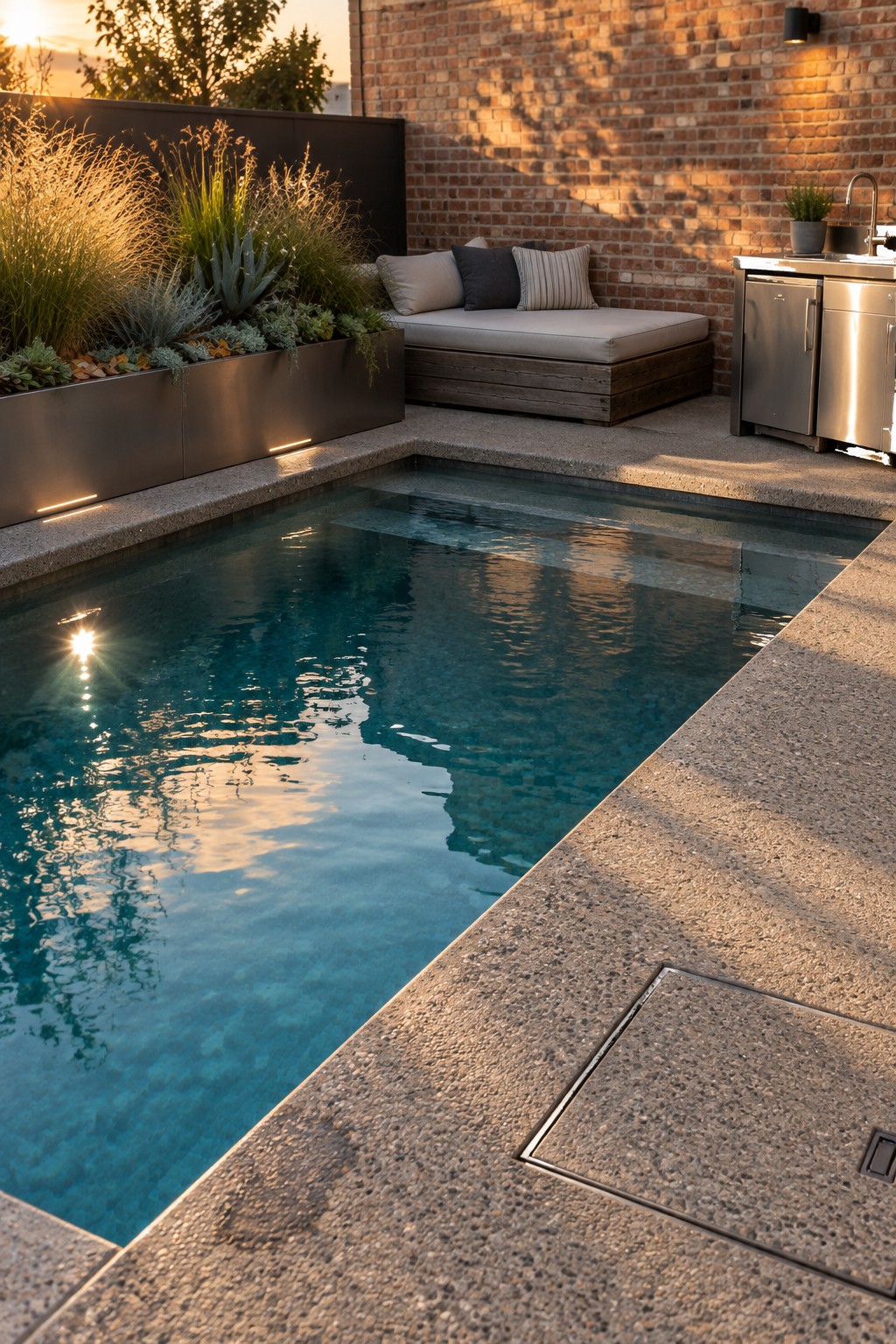
Raised planters give a plunge pool a finished edge that stays neat with very little work. The long metal boxes sit right at the waterline and hold grasses and succulents that need almost no watering once they settle in. Lights tucked under the lip of the planter turn on automatically and keep the area usable after dark.
This approach suits small yards and busy owners who want the pool to look intentional without daily upkeep. The same planter can run along one or two sides of the pool and double as a low seat or visual barrier. Just choose a simple plant mix and a metal finish that matches the rest of the hardscape.
Large Planters Simplify Pool Landscaping
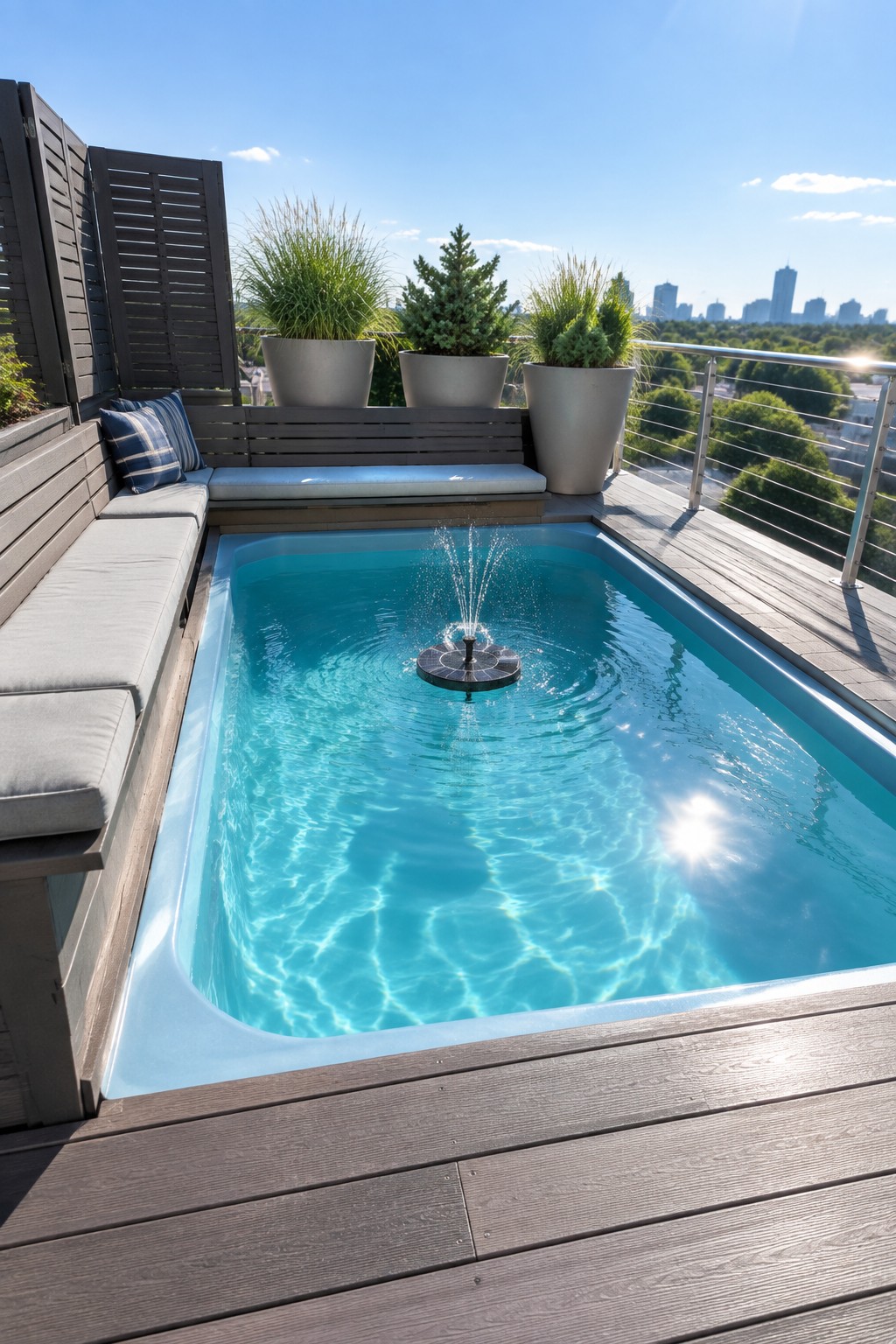
Large planters let you bring greenery right up to a plunge pool without the work of digging beds or dealing with constant weeds. They sit right on the deck, so drainage and cleanup stay simple, and you can shift them around when you need to.
This setup suits rooftops, small yards, or any space where in-ground planting is not practical. Pick a few oversized pots with easy plants like grasses or small evergreens, and keep the rest of the area open for seating and walking.
Frame the Pool with Low-Care Grasses and Perennials
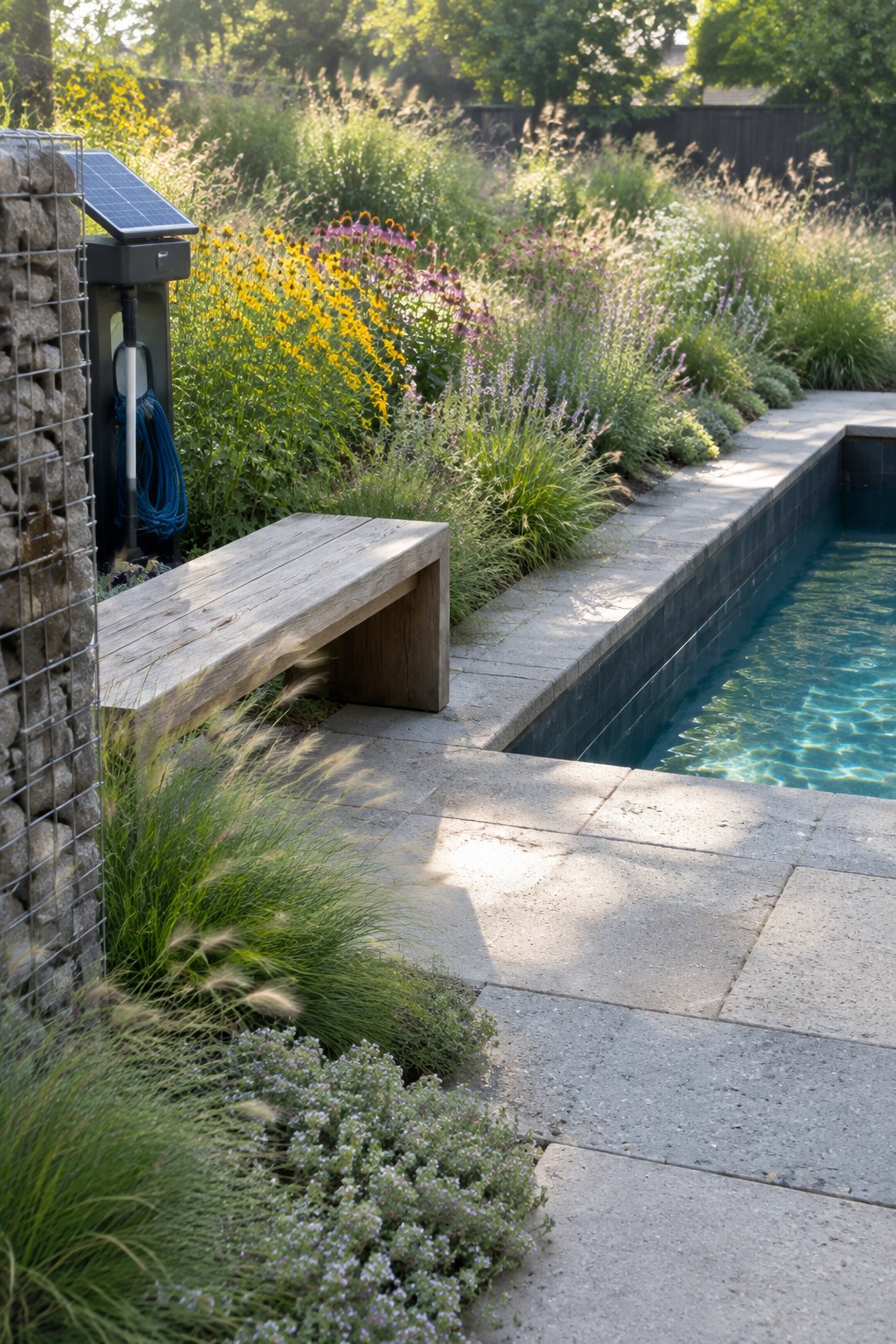
Mixing ornamental grasses with flowering perennials along the pool edge gives the area a full, natural look without constant upkeep. The plants fill in over time, soften the hard lines of the stone deck, and handle varying sun and soil conditions better than fussy annuals or lawn.
This works well on smaller lots where you want the pool to feel tucked into the garden rather than sitting on a bare slab. Stick to drought-tolerant varieties grouped by height, and leave room for a simple bench like the one shown so the space stays usable without extra furniture or trimming.
Use Large Pots for Simple Poolside Planting
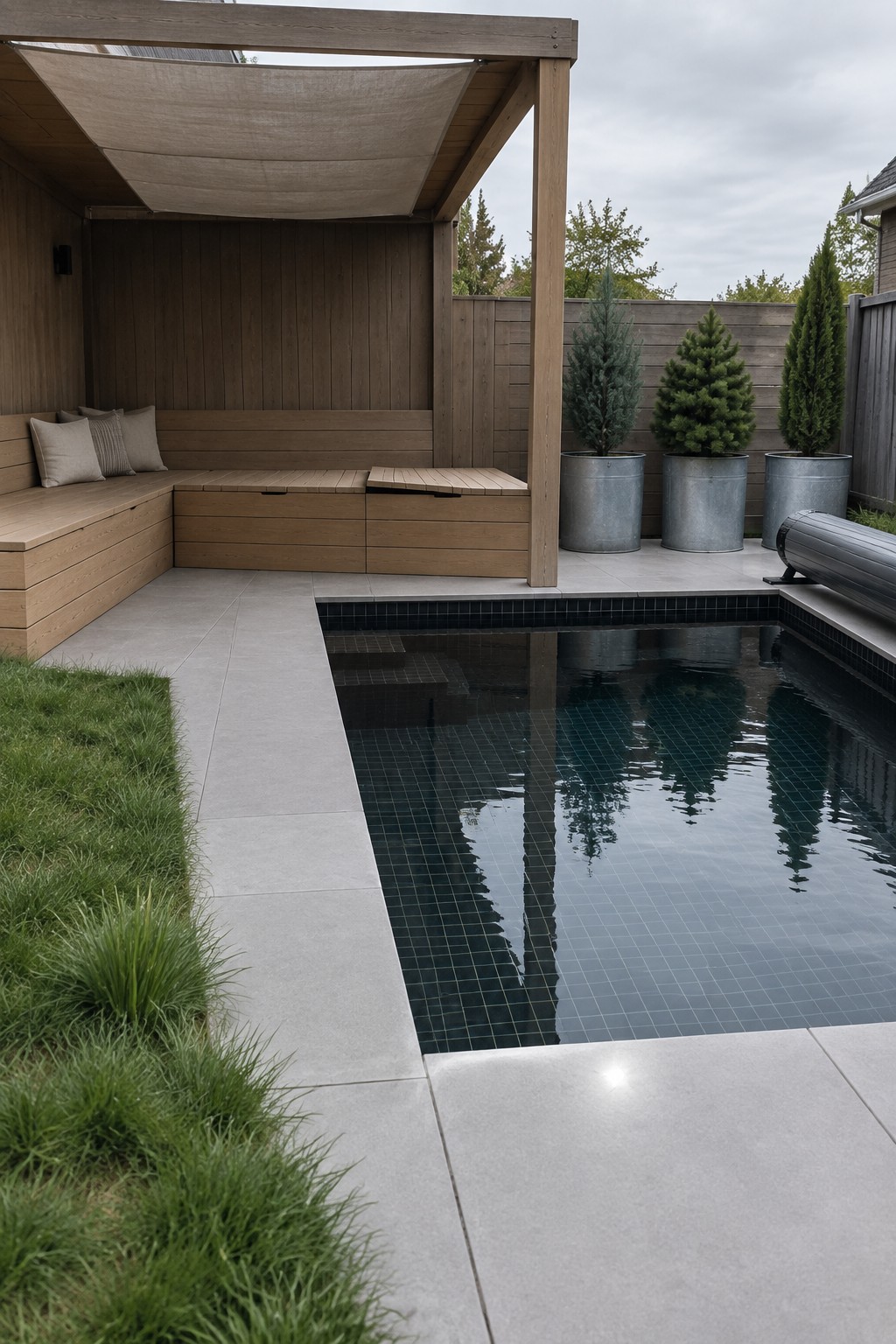
Large containers make it easy to add greenery next to a plunge pool without creating extra beds that need constant weeding or watering. In this setup, a row of tall evergreens in metal tubs lines the far edge of the pool, giving the space a clean, finished look while keeping the planting areas contained and easy to manage.
This approach works well on paved pool decks or small yards where digging in new beds is not practical. Choose tough evergreens that handle sun and wind, and place the pots where they can be moved if needed for cleaning or repairs.
Border Your Plunge Pool With Gravel
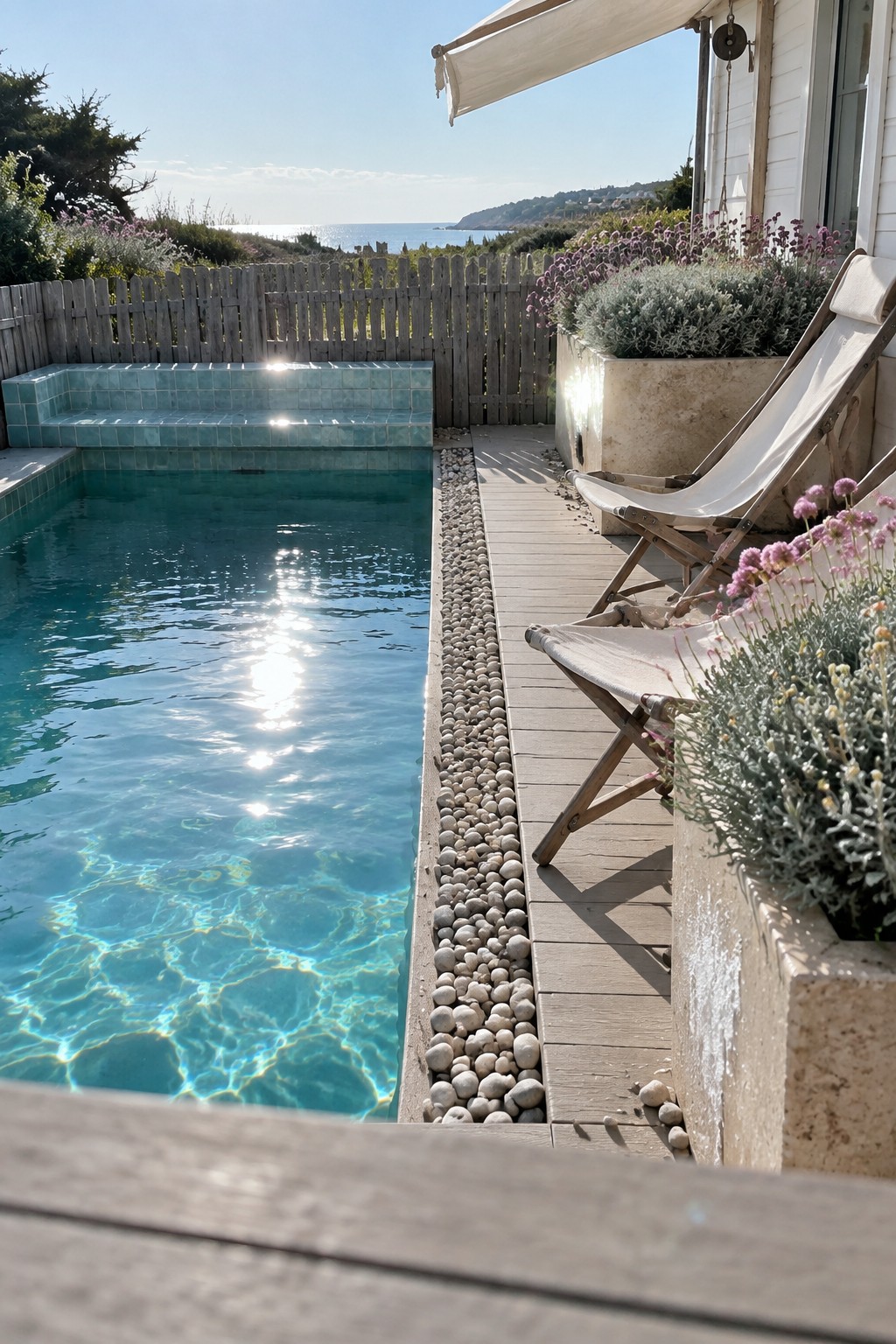
A gravel border gives the pool a clean edge that needs very little upkeep. It lets water drain away easily and keeps the deck from sitting right against the water, which cuts down on splash mess and constant sweeping.
This works well on smaller yards or near the coast where you want something simple and natural looking. Just keep the gravel layer contained with a low border so it stays in place and does not get tracked onto the wood.
Incorporate Built-In Seating Along The Pool
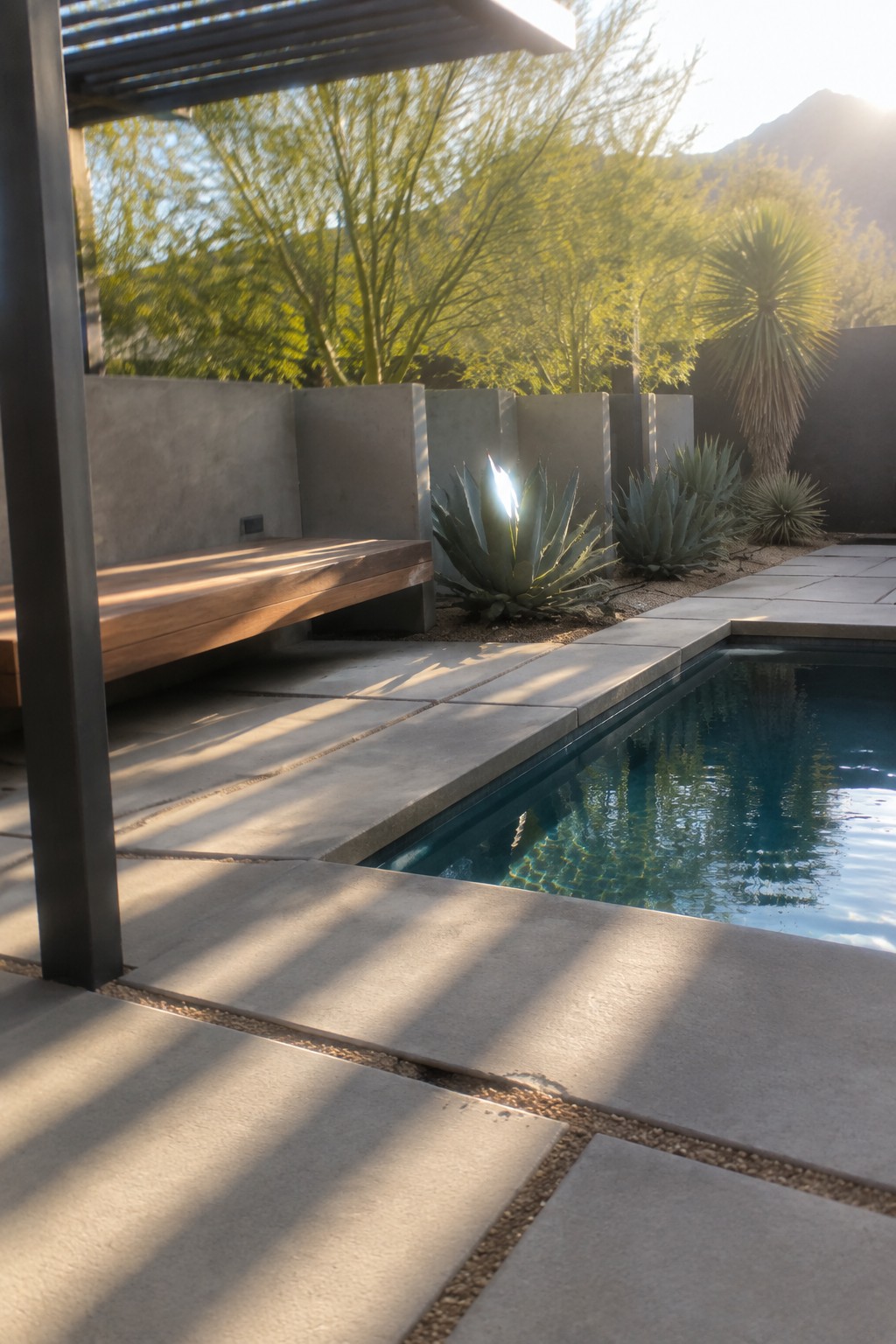
One simple way to keep a plunge pool area low maintenance is to build seating directly into the surrounding walls. This removes the need for separate chairs or loungers that collect dirt and take up deck space. The concrete structure does the work of defining the edge while giving you a place to sit and cool off.
This approach works best in smaller yards or modern homes where clean lines matter more than lots of planting. Use a weather-resistant wood or composite for the bench seat and make sure the concrete is properly sealed. Skip extra furniture and you will spend less time cleaning and more time using the pool.
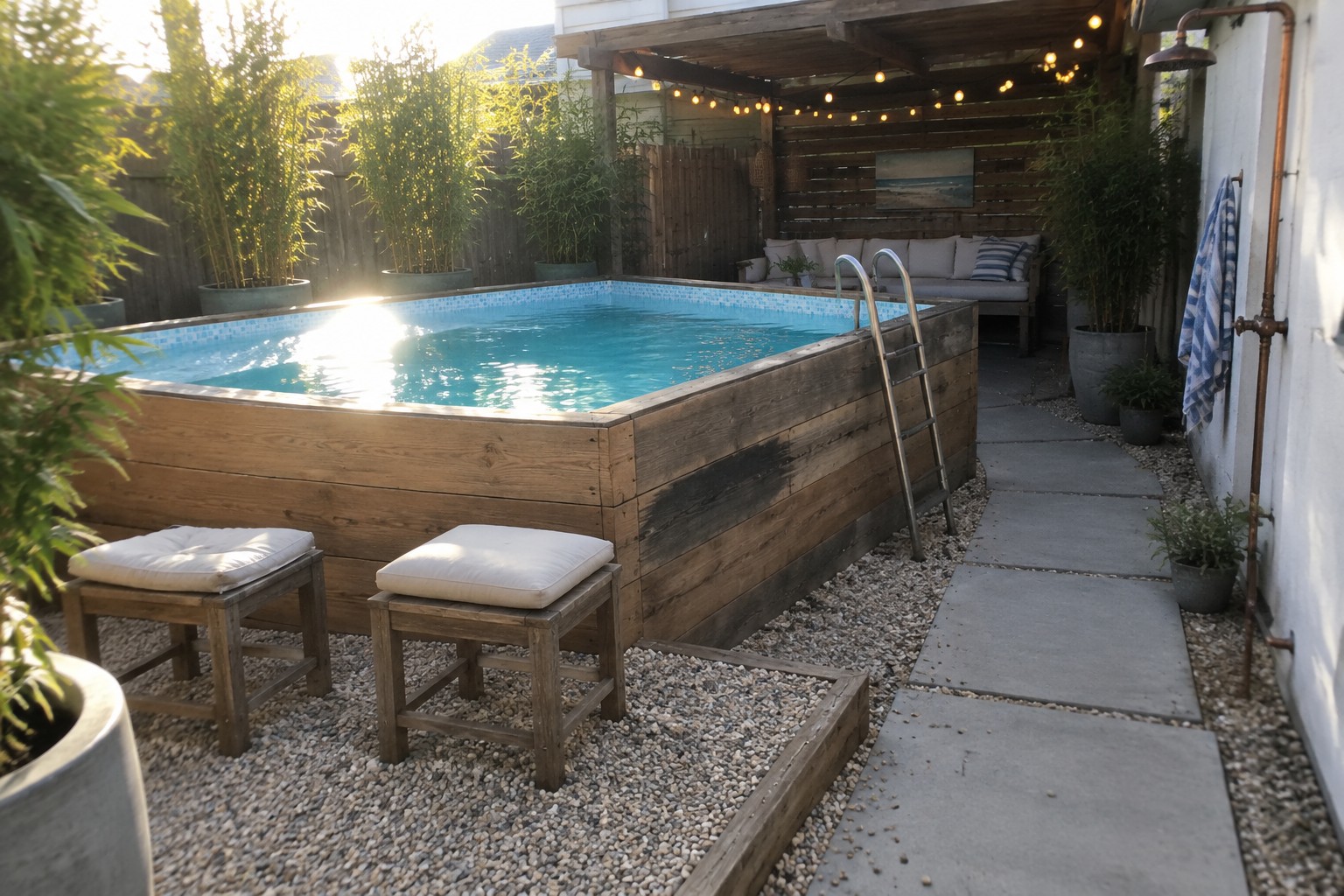
Frame Your Plunge Pool With Large Potted Plants
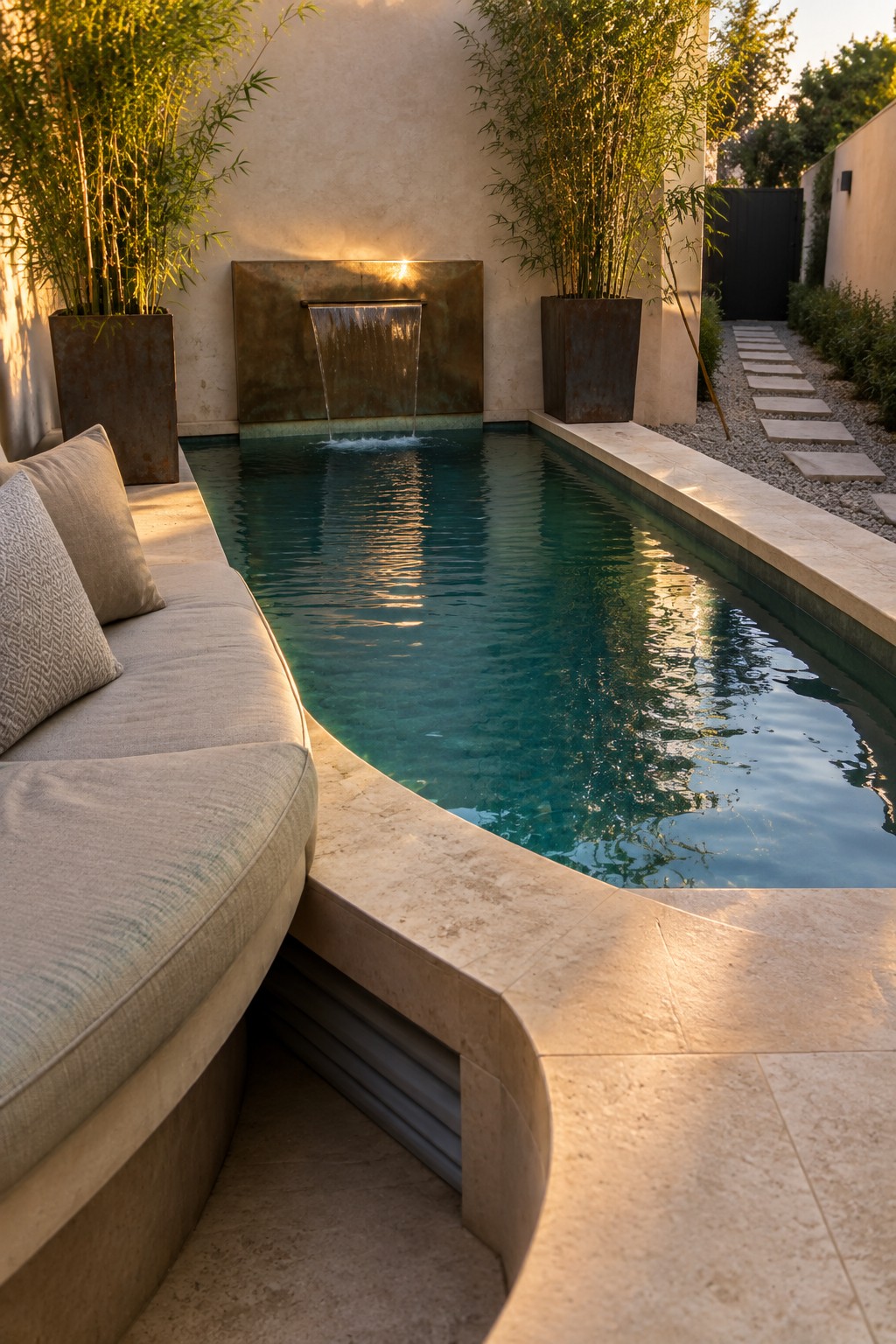
Large containers make it easy to add height and greenery around a plunge pool without installing full garden beds. The tall bamboo in these hefty metal pots gives the space a clean border and softens the hard edges while staying simple to manage.
This setup suits busy homeowners who want the look of landscaping without extra upkeep. Place matching pots at the corners or along one long side, and stick with plants that handle your climate with just occasional watering.
Gravel Beds With Ornamental Grasses
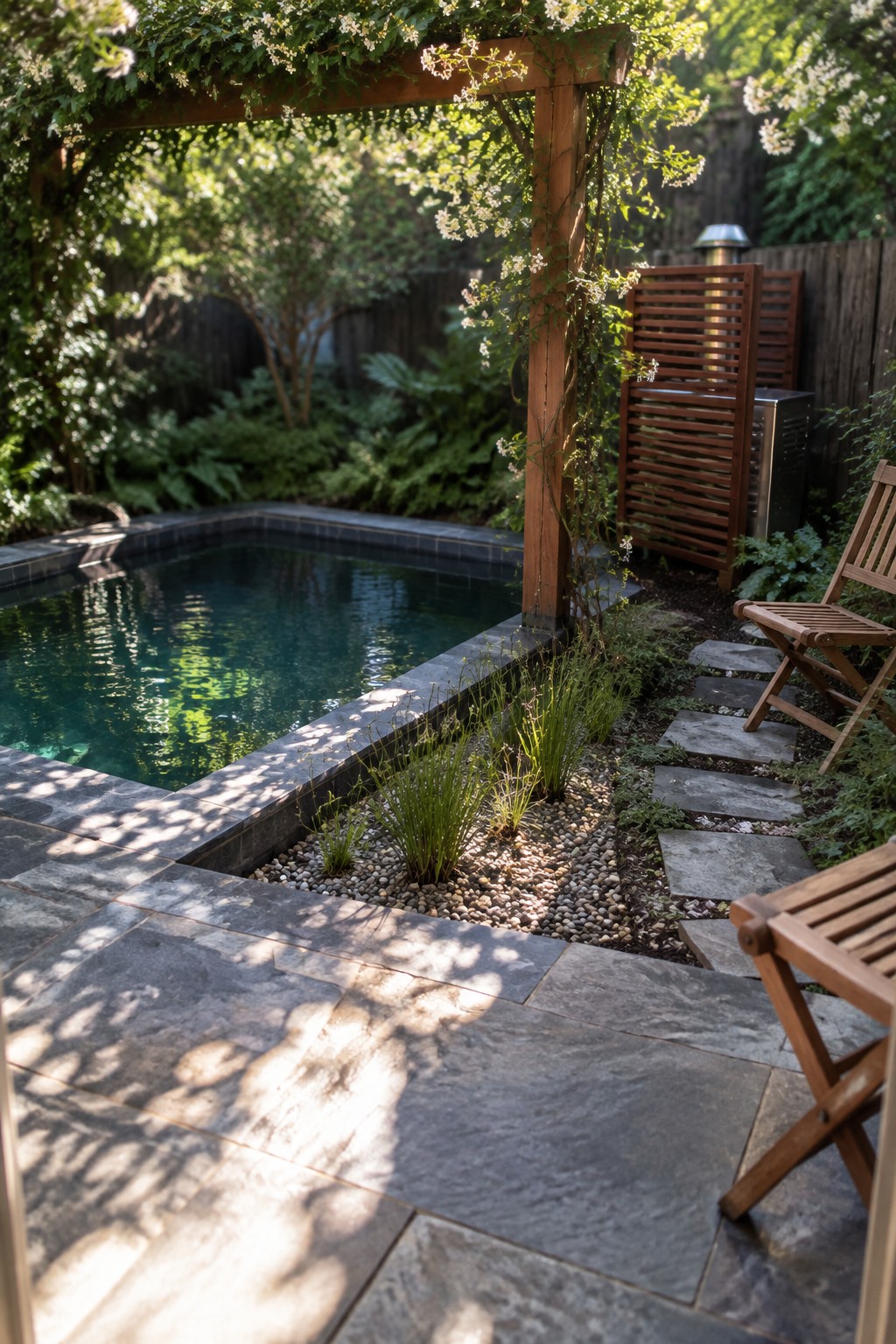
Gravel beds planted with clumps of ornamental grasses make a practical border along a plunge pool deck. The loose stone keeps the area tidy while the grasses add height and movement without filling up the space.
This setup suits smaller yards and busy schedules since it cuts down on weeding and mowing. Just rake the gravel now and then and trim the grasses once or twice a year, and the whole edge stays neat with very little effort.
Frequently Asked Questions
Q: How can I keep weeds from taking over the mulch beds without constant pulling?
A: Lay down a thick layer of landscape fabric before you spread the mulch. The fabric blocks light so most weeds never sprout. Check the edges once a month and pull anything that sneaks through.
Q: What works if the soil around my pool stays soggy after rain?
A: Switch to plants that like wet feet such as certain ferns or sedges. Raise the planting spots a few inches with extra soil so roots stay above the water line. This small change stops rot without extra drainage work.
Q: Do the rocks or gravel I see in the ideas shift around when people walk on them?
A: Pack the gravel tight and use a border strip along the edges. Most movement stops after the first few weeks once the stones settle. A quick rake now and then keeps the surface even.
Q: How do I protect the plants if I close the pool for winter?
A: Cut back the dead foliage once and pile a light layer of leaves over the crowns. The mulch insulates roots without smothering them. Uncover everything in early spring when growth starts again.